
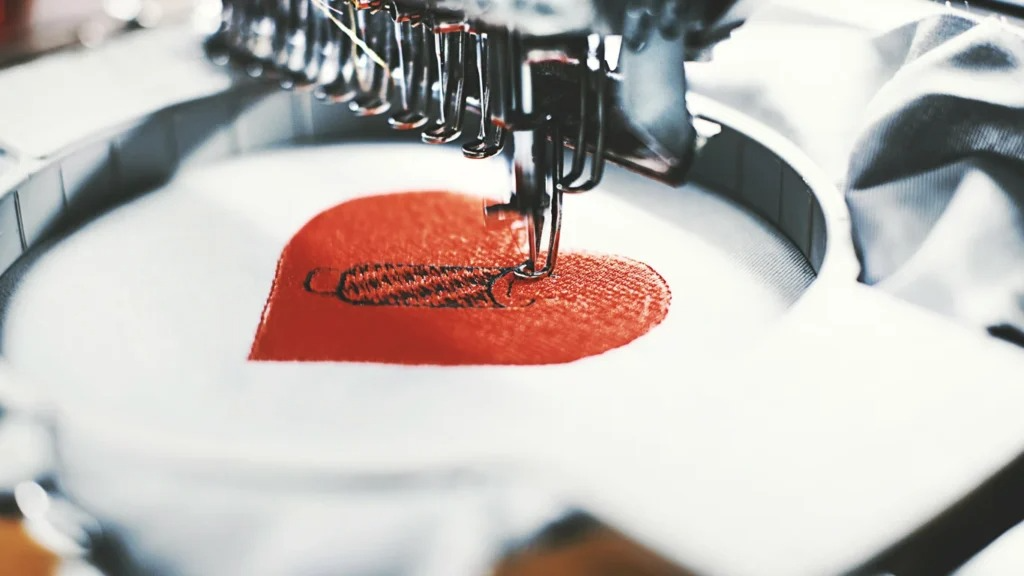
Unlock the Lucrative World of Custom Embroidery
The demand for personalized products and unique apparel has skyrocketed, creating an incredible opportunity for creators with an eye for design and a passion for craftsmanship. Custom embroidery stands out in this landscape, offering a tactile quality and durability that other personalization methods often can't match. It’s more than just a decorative technique; it's a way to transform ordinary items into cherished, one-of-a-kind pieces. This guide isn't just about setting up a machine; it's a comprehensive roadmap to building a thriving and profitable custom embroidery business, taking you from concept to consistent cash flow. You'll learn the strategies, tools, and insights needed to navigate this booming niche successfully.
Understanding the Custom Embroidery Market & Its Profit Potential
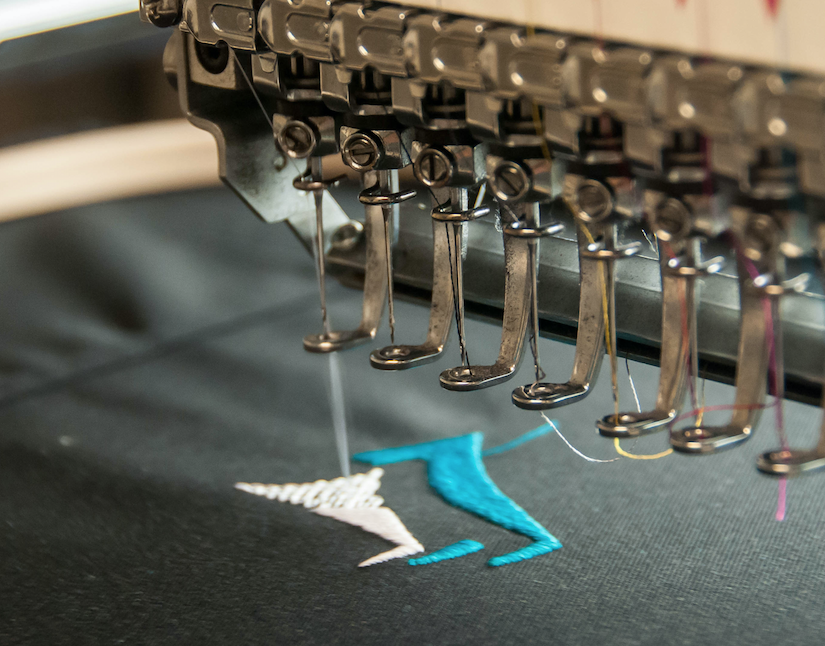
Understanding the Custom Embroidery Market & Its Profit Potential
The custom embroidery market is a vibrant and expanding sector, driven by consumers' desire for self-expression and unique items. Tapping into this market requires understanding its dynamics and identifying where your creative vision can best align with demand.
Key Trends: Modern consumers are increasingly seeking personalization, favoring unique, handmade, and direct-to-consumer items over mass-produced goods. This shift creates a fertile ground for creators specializing in custom embroidery. People want their stories, brands, and personalities reflected in their possessions.
Market Size & Growth: The global market for personalized goods continues to expand, with significant growth projected in custom apparel and accessories. Statistics consistently highlight the industry's upward trajectory, driven by e-commerce accessibility and sophisticated design tools. This growth underscores the inherent profit potential for creators who enter this space with a well-defined strategy.
Identifying Your Niche: One of the most crucial steps is pinpointing your specific target audience. A broad approach can dilute your marketing efforts. Consider these popular avenues:
Apparel: T-shirts, hoodies, polo shirts, and caps remain evergreen choices for both individual consumers and corporate branding.
Accessories: Patches, tote bags, keychains, and even custom shoes offer unique canvases for your embroidery.
Home Decor: Personalized towels, blankets, or decorative pillows can cater to a market looking for distinctive home accents.
Specific Demographics: Focusing on niche markets like gamers, pet owners, new parents, sports enthusiasts, or small businesses seeking branded merchandise can provide a clear competitive edge.
Why Custom Embroidery is Profitable for Creators: Custom embroidery offers several compelling advantages for creators aiming for profitability:
High Perceived Value & Pricing Power: The intricate nature and durability of embroidery often command higher prices compared to print-on-demand alternatives, boosting your profit margins.
Creative Freedom & Brand Building: This medium allows for immense artistic expression, helping you develop a distinctive brand identity that resonates with your audience.
Relatively Low Startup Costs: Especially when leveraging print-on-demand (POD) partners, the initial investment can be significantly lower than traditional manufacturing.
Strong Demand for Unique, Customized Products: Consumers are willing to pay a premium for items that reflect their individuality or serve a specific branding purpose. This sustained demand makes custom embroidery a creator's guide to profit.
Essential Tools & Services for Your Embroidery Business
Essential Tools & Services for Your Embroidery Business
Embarking on your custom embroidery journey means understanding the different types of embroidery and the tools that bring your designs to life. Whether you choose to invest in your own equipment or leverage the power of print-on-demand, having the right setup is key to a smooth operation.
Types of Custom Embroidery: Understanding the various embroidery techniques can help you choose what best suits your aesthetic and target market:
Flat/Standard Embroidery: This classic method creates a smooth, two-dimensional design that sits flat against the fabric. It's versatile, durable, and suitable for almost any design.
3D Puff Embroidery: By using foam underneath the stitching, this technique lifts the design off the fabric, creating a three-dimensional, textured effect. It's popular for bold lettering and logos, particularly on caps.
Chenille Embroidery: Known for its soft, fuzzy, towel-like texture, chenille gives a distinct retro or collegiate feel. It's often seen on letterman jackets and adds significant tactile appeal.
When considering each type, think about its best use cases, the associated costs, and the complexity of production. Some techniques may require specialized machines or services.
Equipment Choices (for direct creators): If you plan to handle production yourself, investing in the right equipment is crucial:
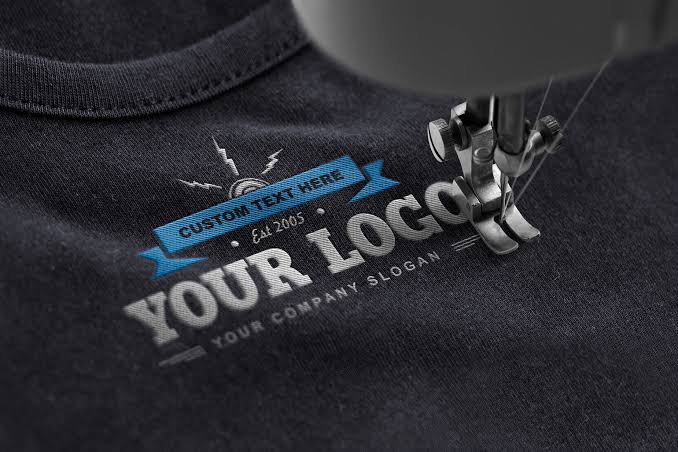
Embroidery Machines: These range from small, single-needle home machines perfect for hobbyists and small batches, to multi-needle commercial machines designed for higher volume and speed. Your choice will depend on your budget and anticipated production scale.
Digitizing Software: This specialized software converts your digital artwork (like a JPEG or vector file) into a stitch file (.DST, .PES) that your embroidery machine can read. Popular options include Wilcom, Embrilliance, and Hatch.
Essential Supplies: Don't forget the basics: a variety of embroidery hoops, quality embroidery threads in diverse colors, appropriate needles for different fabrics, and various types of stabilizers to support the fabric during the stitching process.
Leveraging Print-on-Demand (POD) for Embroidery: For many creators, especially those starting out, print-on-demand (POD) offers a game-changing solution to entering the custom embroidery market without significant upfront investment.
Benefits: POD eliminates the need for inventory, drastically reduces financial risk, and automates the production and shipping processes. You design, market, and sell, while your POD partner handles the fulfillment. This model is a prime example of why MerchFox often recommends starting lean.
How it works: You connect your e-commerce store (e.g., Shopify, Etsy) to a POD partner like Gelato. When a customer places an order, the order details are automatically sent to the POD provider, who then creates, packs, and ships the embroidered product directly to your customer under your brand. This system allows you to focus purely on design and marketing, establishing strong "experience" in creator services.
Selecting the Best Products for Custom Embroidery Success
The foundation of a profitable custom embroidery business lies not just in stellar designs, but also in selecting high-quality blank products that effectively showcase your work and appeal to your target audience.
Top-Selling Blanks: Focusing on popular, versatile items can help ensure consistent sales:
Apparel: T-shirts, hoodies, polos, and jackets are timeless choices. Consider different cuts and styles to cater to diverse preferences.
Headwear: Baseball caps and beanies are excellent canvases for embroidery, offering high visibility and broad appeal.
Accessories: Tote bags, patches, and even socks provide unique opportunities for creative expression and impulse purchases.
Fabric & Material Considerations: The type of fabric you choose significantly impacts the quality and longevity of your embroidered product:
Best fabrics for embroidery: Cotton, denim, canvas, and various blends with a tighter weave generally hold stitches well and provide a stable surface.
Fabrics to avoid or use with caution: Very thin, stretchy, or delicate fabrics like silk or loosely woven knits can be challenging without proper stabilization and specialized techniques.
Quality of blanks: Investing in high-quality blanks is paramount. A superior blank product ensures customer satisfaction, enhances your brand's reputation, and provides a better foundation for your embroidery work, making it a critical element in this creator's guide to profit.
Sourcing Reliable Suppliers: Establishing relationships with reliable suppliers for quality blank products is non-negotiable. Look for wholesalers that offer good pricing, consistent stock, and a variety of options. Platforms like SanMar, AlphaBroder, and S&S Activewear are popular choices for apparel blanks in the USA.
Crafting Winning Designs for Custom Embroidery
Crafting Winning Designs for Custom Embroidery
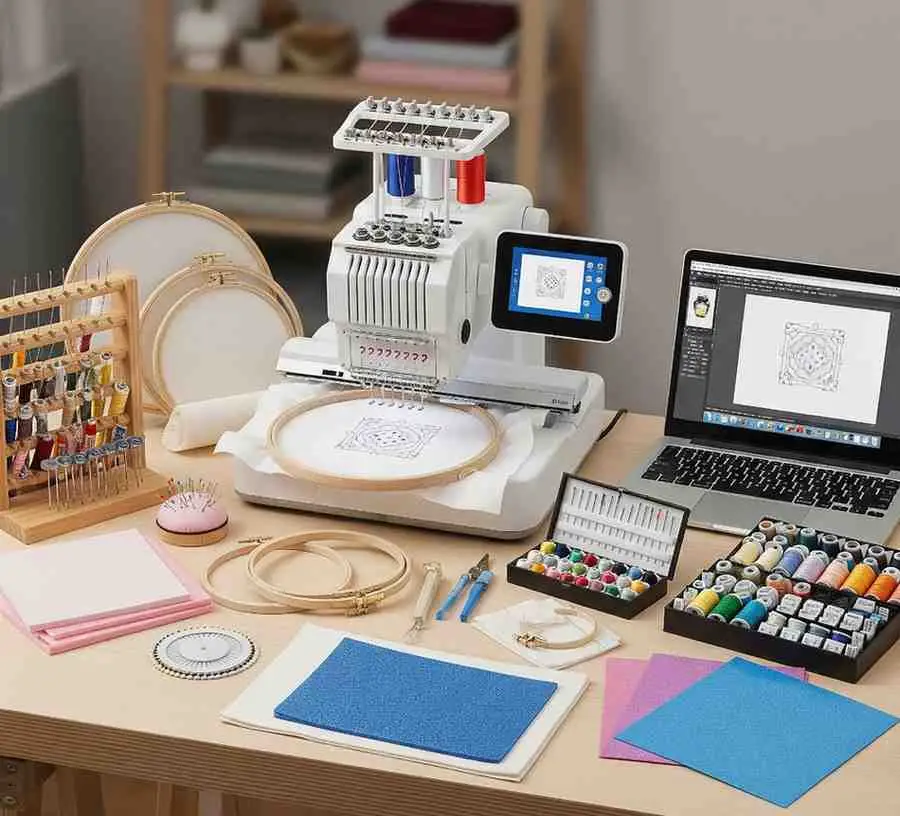
Your designs are the heart of your custom embroidery business. Creating effective, eye-catching designs specifically tailored for embroidery requires a different approach than designs for print.
Design Principles for Embroidery: Embroidery has unique limitations and strengths that must be considered during the design phase:
Simplicity is key: Less is often more. Overly complex designs with too many tiny details can become muddy or unreadable when stitched. Bold lines and clear shapes translate best.
Color palette limitations and impact: While modern machines handle many colors, each color change adds complexity and time. Consider how your color choices will stand out and complement the fabric.
Detail level: Tiny text or extremely fine lines can be difficult, if not impossible, to embroider clearly. Aim for minimum stroke widths and text heights to ensure legibility.
Digitizing Your Designs: This is perhaps the most critical technical step for any custom embroidery creator:
What is digitizing? It's the process of converting your artwork (e.g., a JPEG, PNG, or vector file) into a stitch file that an embroidery machine understands. This file contains instructions on where to place each stitch, what color thread to use, and in what direction. It's not just a conversion; it's an art form that dictates the final look of your embroidery.
Software options or professional services: You can invest in digitizing software yourself (e.g., Wilcom, Embrilliance, Hatch) and learn the skill, or, more commonly for beginners and those leveraging POD, outsource it to professional digitizers. POD services often include or facilitate digitizing.
File Formats & Preparation: Understanding the necessary file formats is essential for a smooth workflow:
Stitch files: These are machine-specific files like DST, PES, EXP, JEF, etc. You’ll receive these from your digitizer or generate them yourself.
Vector artwork: Always start your design process with vector files (AI, EPS, SVG) if possible. They are scalable without loss of quality, making them ideal for digitizing. If working with raster images (JPEG, PNG), ensure they are high resolution.
Protecting Your Designs: As a creator, safeguarding your intellectual property is vital. Understand the basics of copyright for your original designs. While specific designs might not be patentable, the artwork itself is protected once created.
Pricing Your Custom Embroidery for Maximum Profitability
Setting the right prices is a delicate balance. You need to cover all your costs, ensure a healthy profit margin, and remain competitive in the market. This isn't just about guessing; it's a strategic calculation.
Understanding Your Costs: A thorough understanding of your expenses is the bedrock of profitable pricing:
Blank product cost: The price you pay for the unadorned item.
Embroidery costs: This varies based on stitch count (more stitches = more thread and machine time), design complexity, and the number of thread changes required. POD services will have a clear pricing structure per design.
Digitizing fees: If you're outsourcing digitizing, factor in this one-time (per design) cost.
Overhead: Don't forget costs like your website subscription, marketing expenses, software licenses, and utilities.
Time (your labor): Your creative time designing, managing orders, and marketing is valuable. Factor in an hourly rate for yourself.
Effective Pricing Strategies: Choose a strategy that aligns with your brand and market position:
Cost-plus pricing: Calculate all your costs per item, then add a desired profit percentage. This is a straightforward method.
Value-based pricing: Price your items based on the perceived value to the customer, especially if your designs are unique or highly sought after.
Competitive pricing research: Analyze what similar custom embroidery businesses are charging. This helps you position yourself effectively without undercutting your value.
Tiered pricing for bulk orders: Offer discounts for larger quantities to attract corporate clients or group orders. This incentivizes higher volume sales and is a smart move for increasing profit.
Calculating Profit Margins: Always ensure your prices are set to cover all your variable and fixed costs and deliver a healthy profit margin. Regularly review your pricing to adapt to material cost changes or market shifts. MerchFox strongly advises creators to understand their numbers intimately; ignorance here directly impacts your bottom line. This meticulous approach to pricing is central to a creator's guide to profit in custom embroidery.
Marketing Your Custom Embroidery Business to Attract Customers

Marketing Your Custom Embroidery Business to Attract Customers
Even the most beautiful custom embroidery designs won't sell themselves. Effective marketing is crucial to reaching your target audience and converting interest into sales. Your online presence is your storefront in the digital age.
Building Your Online Presence:
E-commerce Store: Platforms like Shopify, Etsy, or even a dedicated section on your personal website provide the necessary infrastructure. Shopify offers extensive customization, while Etsy taps into an existing craft-loving audience.
High-quality product photography and mockups: Visual appeal is paramount. Invest in excellent photos that showcase the detail and texture of your embroidery. Mockup generators can help you display designs on various products without needing to produce every single item.
Compelling product descriptions: Beyond just listing features, tell a story. Highlight the craftsmanship, the quality of the materials, and the benefits of personalization. Use descriptive language that evokes emotion and desire.
Social Media Marketing: Visual platforms are your best friends for showcasing custom embroidery:
Platforms: Instagram, Pinterest, and TikTok are ideal due to their visual nature. Instagram allows for beautiful static images and short videos, Pinterest is excellent for inspiration and discovery, and TikTok is perfect for showing the process and engaging with trends.
Content ideas: Go behind-the-scenes to show the embroidery process, unveil new product designs, feature satisfied customers, or create short tutorials on design concepts.
Hashtag strategy and engagement: Use relevant hashtags (#customembroidery, #personalizedgifts, #embroideryart, #smallbusiness) to increase discoverability. Actively engage with comments and messages to build a community.
SEO for Product Listings: Just like this guide is optimized for search engines, your product listings need SEO love. Use relevant keywords in your product titles, descriptions, and meta descriptions. Optimize image alt text with descriptive keywords. This helps customers find your products when searching on Google or within e-commerce platforms.
Collaborations & Partnerships: Expand your reach by partnering with others:
Influencers: Work with micro-influencers whose audience aligns with your niche.
Other creators: Collaborate on cross-promotions or joint product lines.
Local businesses: Offer custom branding for local shops, sports teams, or events.
Email Marketing: Building an email list is a long-term asset. Offer discounts for signing up, send newsletters with new product launches, design tips, or exclusive offers. Nurture these relationships to turn one-time buyers into loyal customers.
Key Strategies for Long-Term Success & Sustainable Profit

Key Strategies for Long-Term Success & Sustainable Profit
Building a profitable custom embroidery business isn't a sprint; it's a marathon that requires consistent effort, adaptation, and an unwavering commitment to quality. Maintaining your momentum and growing your brand involves focusing on several core areas.
Focus on Quality & Customer Satisfaction: This is where E-E-A-T (Experience, Expertise, Authoritativeness, Trustworthiness) shines for your brand.
Consistent product quality: Every item you sell should meet or exceed customer expectations. This includes the quality of the blank, the precision of the embroidery, and the overall finish.
Excellent customer service and communication: Respond promptly to inquiries, handle issues professionally, and keep customers informed about their order status. A positive customer experience builds loyalty and encourages repeat business and referrals.
Gathering and acting on feedback: Actively solicit reviews and constructive criticism. Use this feedback to refine your products and processes, demonstrating your commitment to continuous improvement.
Efficient Workflow & Order Management: As your business grows, streamlining your operations becomes crucial:
Automate where possible: Utilize your e-commerce platform's features, integrate with POD services, and explore tools for inventory management if you're handling production yourself.
Organize your production schedule: Whether you're embroidering yourself or managing POD orders, having a clear system for processing orders, tracking progress, and ensuring timely delivery is vital.
Innovation & Staying Trendy: The creative market is always evolving. Stay agile to remain relevant and exciting:
Keeping up with design trends: Follow fashion, home decor, and graphic design trends to inspire new product lines and offerings.
Experimenting with new products or embroidery types: Don't be afraid to introduce new blank items or try different embroidery techniques (like experimenting with patch styles or unique thread types) to keep your offerings fresh.
Building a Strong Brand Identity: Your brand is more than just a logo; it's the entire experience customers have with your business.
Creating a memorable brand story and aesthetic: What makes your brand unique? What values do you embody? Communicate this consistently through your visuals, voice, and products.
Consistency: Ensure your branding is uniform across your website, social media, packaging, and customer communications.
Legal & Financial Considerations: Operating a legitimate business means adhering to legal and financial best practices:
Business registration: Register your business with relevant local, state, and federal authorities.
Taxes: Understand your tax obligations, including sales tax, income tax, and self-employment taxes.
Bookkeeping: Maintain meticulous records of all income and expenses. This simplifies tax season and provides a clear picture of your financial health. MerchFox consistently highlights that strong financial management is as crucial as creative talent in a successful custom embroidery: a creator's guide to profit.
Conclusion: Your Journey to a Profitable Embroidery Business Starts Now
You've explored the exciting landscape of custom embroidery, from understanding its market potential and selecting the right tools to crafting irresistible designs, setting profitable prices, and marketing your creations effectively. This comprehensive guide has laid out the essential steps for launching and growing a successful custom embroidery business. The blend of high-quality craftsmanship, personalization, and strategic business practices makes this a truly rewarding venture.
The potential for creative expression and significant profit in this niche is immense. We encourage you to take the first step today—whether that's refining your design ideas, exploring print-on-demand services like Gelato for seamless fulfillment, or simply beginning your research into the best blanks. Remember, every successful business started with a single step. This entire framework, developed by MerchFox, aims to empower creators like you to turn passion into profit. The journey to a profitable custom embroidery business is within your reach; now, go create!
Frequently Asked Questions (FAQs)
Q: What is the biggest challenge in starting a custom embroidery business? A: One of the biggest challenges is often digitizing designs correctly for embroidery. It's a specialized skill, but readily available professional services and user-friendly software can help overcome this hurdle. Another challenge is effective marketing to stand out in a competitive market.
Q: How much does it cost to start an embroidery business? A: Startup costs can vary significantly. If you opt for a print-on-demand model, you might only need a website and design software, costing a few hundred dollars. If you purchase your own embroidery machine, costs can range from $500 for a basic home model to several thousand for a commercial unit, plus supplies and digitizing software.
Q: Is custom embroidery profitable? A: Yes, custom embroidery can be highly profitable due to the high perceived value of personalized and durable items. With smart pricing, efficient production, and effective marketing, creators can achieve excellent profit margins.
Q: Can I use my own designs for custom embroidery? A: Absolutely! Using your unique designs is a cornerstone of a custom embroidery business. You'll need to ensure your designs are optimized for embroidery (simpler designs, appropriate detail level) and then properly digitized.
Q: How do I find customers for my custom embroidery? A: Attract customers by building a strong online presence through an e-commerce store, leveraging visual social media platforms like Instagram and Pinterest, optimizing your product listings for SEO, and exploring collaborations and email marketing.