
1. What is DTG Printing?
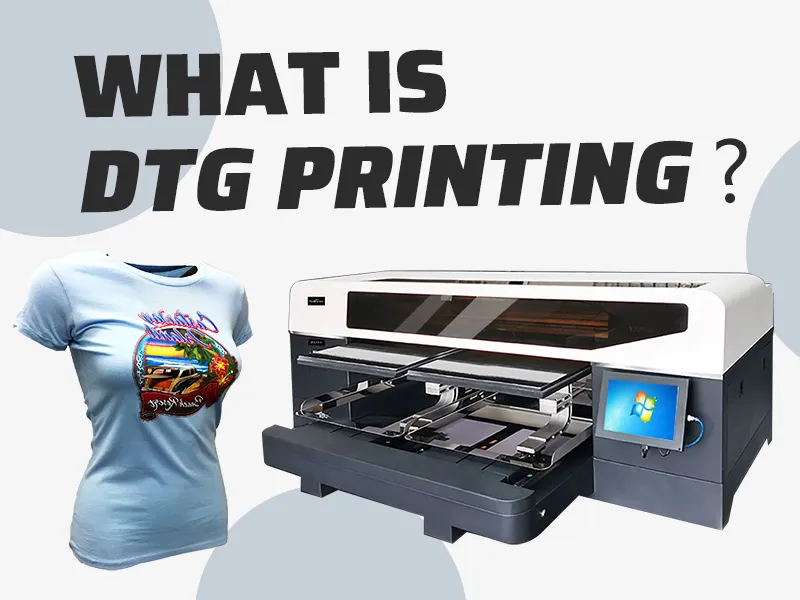
What is DTG Printing?
1.1. Direct-to-Garment Explained
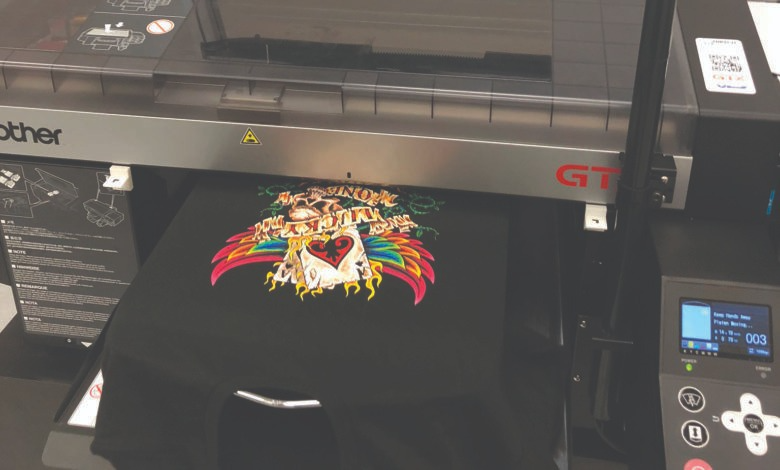
At its core, DTG printing is much like using a large inkjet printer for fabric. Instead of paper, the machine prints directly onto garments, most commonly t-shirts, hoodies, and tote bags. Utilizing specialized water-based inks, the DTG process allows for incredibly detailed, full-color designs to be applied with precision. It’s a digital process, meaning your design goes straight from your computer to the printer, eliminating the need for screens or films.
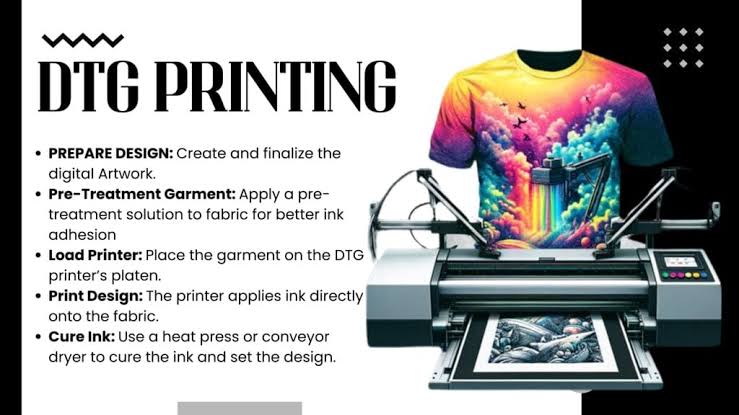
How DTG Works (Step-by-Step simplified):
Pre-treatment: The garment is sprayed with a special solution, especially for dark colors or for enhancing print vibrancy on lighter ones. This helps the white ink (if used) bind to the fabric and prevents CMYK inks from being absorbed too deeply.
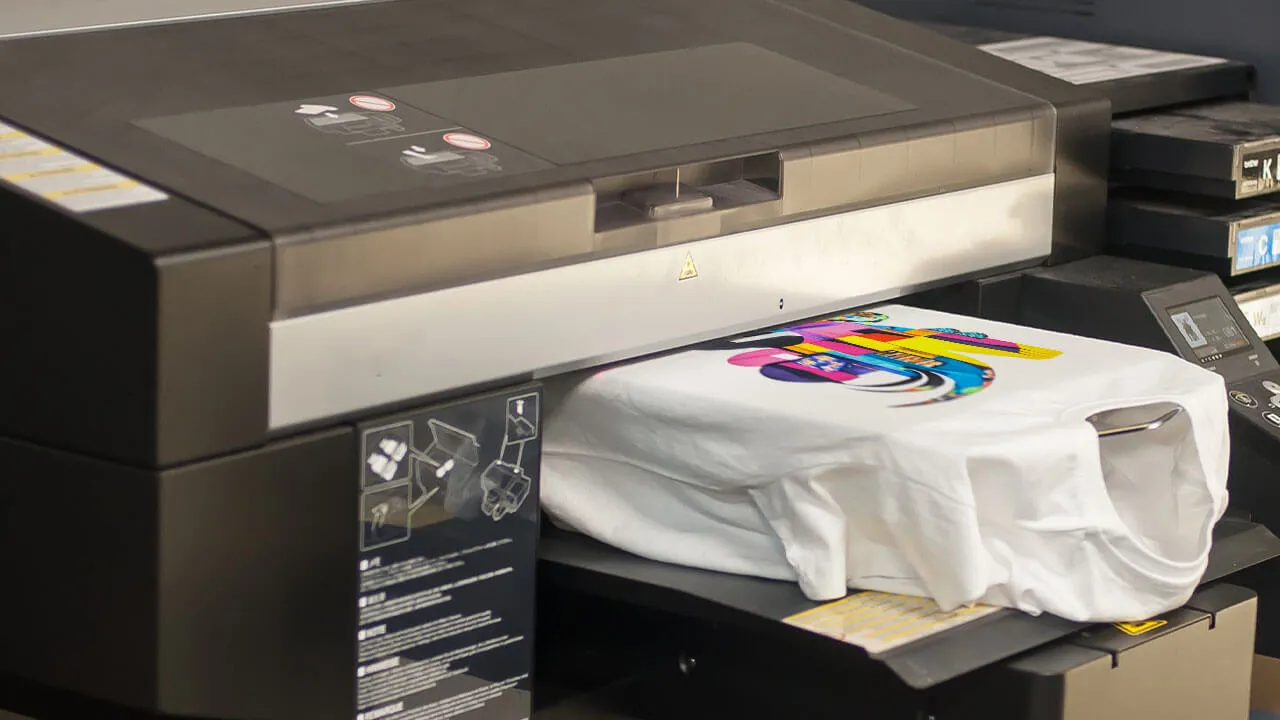
Printing: The treated garment is loaded onto a platen, and the DTG printer jets CMYK inks (and white ink if needed) directly onto the fabric, creating your design.
Curing: The printed garment then goes into a heat press or conveyor dryer, where heat sets the inks, making them permanent and washable.
1.2. Key Innovations & Trends in DTG for 2026
The DTG landscape is always shifting, and 2026 brings exciting developments. We're seeing remarkable advancements in ink technology, with manufacturers focusing on more eco-friendlier, water-based inks that deliver even greater vibrancy and wash fastness. Print speeds are continually improving, thanks to more sophisticated printheads and efficient software, making production cycles faster. Automation is also playing a bigger role, from automated pre-treatment systems to integrated design software that streamlines the entire workflow. Furthermore, DTG is expanding its reach, becoming a cornerstone for personalized fashion, small batch brand launches, and quick-turnaround promotional items, highlighting its flexibility in various niches.
2. Why Choose DTG? Unpacking the Pros & Cons
Why Choose DTG?
Choosing the right printing method is critical for any custom apparel venture. DTG printing, while powerful, comes with its own set of advantages and challenges.
2.1. The Bright Side: DTG Advantages in Detail
DTG stands out for several compelling reasons:
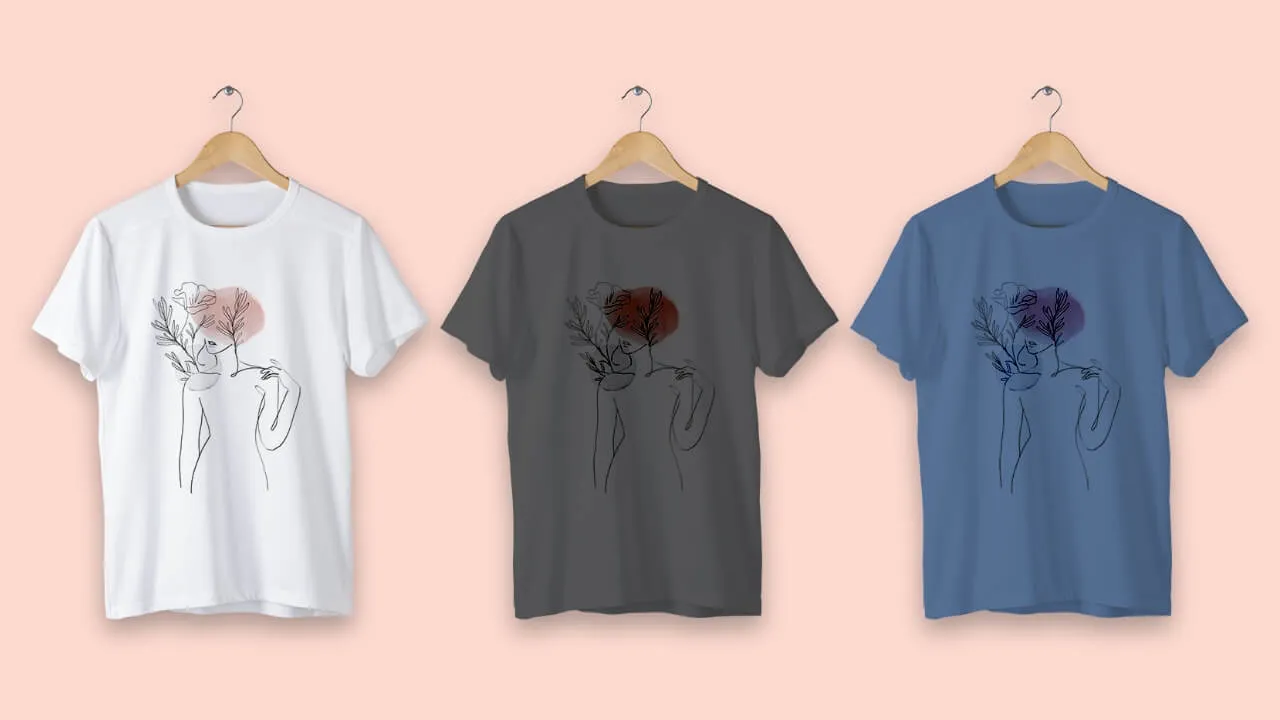
Vibrant, Full-Color Designs & Fine Details: Unlike screen printing which uses spot colors, DTG handles complex, photorealistic designs with unlimited color palettes and gradients effortlessly. The detail resolution is astounding, capturing intricate artwork with precision.
Soft Hand Feel: Because DTG inks penetrate the fabric fibers rather than sitting on top, the finished print boasts an incredibly soft, breathable feel. This enhances garment comfort and consumer satisfaction.
Ideal for Small Batches & On-Demand Printing: DTG printing shines for one-off custom shirts or small runs. There are no setup fees per color, making it incredibly cost-effective for personalization and businesses operating on a print-on-demand model with low Minimum Order Quantities (MOQs).
Quick Setup & Turnaround: Digital files are directly sent to the printer, significantly reducing preparation time compared to traditional methods like screen printing. This means faster order fulfillment, a huge plus for customer satisfaction in 2026's fast-paced market.
Eco-Friendly Ink Options: Most DTG printers now use water-based inks which are biodegradable, non-toxic, and safer for the environment, aligning with growing consumer demand for sustainable practices.
2.2. The Challenges: DTG Disadvantages to Consider
Despite its many benefits, direct-to-garment printing isn't without its drawbacks:
Fabric Limitations: DTG thrives on natural fibers, especially cotton. Garments with high cotton content (ideally 80-100%) yield the best results. Printing on synthetics like polyester can be challenging, often resulting in less vibrant prints or poor ink adhesion, though advancements are continually addressing this.
Cost Per Print: While setup costs are low, the actual cost per DTG print, particularly for designs requiring white ink on dark garments, can be higher than screen printing for very large quantities. Ink consumption and pre-treatment add to the per-unit expense.
Pre-treatment Requirement: For optimal wash fastness and vibrancy, particularly on dark shirts (which require white ink as a base), garments must be pre-treated. This adds an extra step to the production process and requires specialized equipment.
Maintenance & Upkeep: DTG printers demand regular and meticulous maintenance. Inkjet printheads can clog if not cleaned routinely, leading to costly repairs or replacements. Environmental factors like humidity and temperature also need to be controlled.
Durability & Washability: While good, the durability of DTG prints can be slightly less than screen printing or DTF if not cared for properly. Specific washing instructions (inside out, cold water, low heat dry) are crucial for longevity.
3. DTG vs. The Competition: Which Printing Method is Best for You in 2026?
DTG vs. The Competition: Which Printing Method is Best for You in 2026?
Understanding how DTG printing stacks up against other popular methods is crucial for making an informed decision. Each technique has its niche.
3.1. DTG vs. Screen Printing
When to choose DTG: Opt for direct-to-garment when you need complex designs, an extensive range of colors, small order quantities, or personalized items. The setup is fast, making it perfect for on-demand scenarios.
When to choose Screen Printing: Screen printing excels in bulk orders (typically 24+ items) with simpler designs and a limited number of colors. It's highly durable and often more cost-effective for large production runs, offering precise Pantone color matching.
3.2. DTG vs. DTF (Direct-to-Film) Printing
The Rising Contender: DTF printing has gained significant traction, especially in 2026. It involves printing a design onto a special film, then applying an adhesive powder, and finally heat-pressing it onto the garment.
When DTF might be better: DTF offers greater fabric versatility, working well on polyester, cotton, and blends, even in lower cotton percentages where DTG struggles. The feel can be slightly thicker than DTG, but durability is often excellent. For unique placements or hard-to-reach areas, DTF transfers can be advantageous.
3.3. DTG vs. Sublimation Printing
Key Differences: Sublimation inks turn into a gas when heated, permanently bonding with synthetic fibers. This method is limited to light-colored polyester garments or polyester-coated items (like mugs or phone cases).
When to choose Sublimation: Choose sublimation for all-over prints on light polyester performance wear, sportswear, or items where a "no-feel" print is desired, as the ink becomes part of the fabric itself.
3.4. DTG vs. Heat Transfer Vinyl (HTV)
For simpler, graphic designs: HTV involves cutting a design out of a colored vinyl sheet and heat-pressing it onto the garment. It's excellent for bold graphics, lettering, and numbers on small runs.
Durability, feel, and cost: HTV is durable but has a distinct "plastic-y" feel and can't achieve the intricate details or color blends of DTG. It's generally more cost-effective for very simple designs and smaller quantities than screen printing, but less versatile than DTG.
4. Getting Started with DTG: Practical Steps & Best Practices
Getting Started with DTG: Practical Steps & Best Practices
Executing a successful DTG print involves more than just pressing a button. From fabric choice to post-processing, every step contributes to the final quality.
4.1. Apparel Selection: The Right Fabrics for DTG Success
The foundation of a great DTG print is the garment itself. High-quality, tightly woven fabrics with a high cotton content are paramount. Aim for 80-100% cotton for the best vibrancy and washability. While some blends (like cotton-poly 50/50) can be printed, results may vary, often requiring more specialized pre-treatment or yielding a more faded look. Darker garment colors often necessitate a white ink underbase, impacting both feel and cost.
4.2. Designing for DTG: File Formats, Resolution & Color Management
Your design file is where the magic begins.
File Formats: PNG with a transparent background is universally recognized as king for DTG. This ensures your design prints cleanly without unwanted boxes.
Resolution: Always aim for 300 DPI (dots per inch) at the final print size. Low-resolution images will appear pixelated and unprofessional.
Color Modes: DTG printers operate in CMYK, but many design programs default to RGB. It's often best to design in RGB for maximum color vibrancy and let the printer's RIP software handle the conversion, though understanding color gamut limitations is key. Avoid trying to match specific spot colors like Pantone without expert guidance, as DTG recreates colors using CMYK ink blends.
Design Considerations: Keep the print area in mind for your chosen garment size. While DTG handles fine details, extremely small text or thin lines might struggle with washability. Gradients are beautifully rendered, but ensure smooth transitions in your artwork.
4.3. The Critical Role of Pre-treatment
Pre-treatment is not optional for dark garments and highly recommended for many light ones. It creates a chemical bonding layer for the white ink and helps CMYK inks adhere to fibers, preventing them from soaking in too much and appearing faded. Application methods range from manual spray guns to automated pre-treatment machines, ensuring an even coat is crucial. The garment must then be properly dried with a heat press before printing.
4.4. Curing & Post-Processing for Durability
After printing, the ink needs to be "cured" to set permanently. This is typically done with a heat press or a conveyor dryer. Precise temperature, time, and pressure settings are vital for proper ink adhesion and wash fastness. Inadequate curing will lead to prints that fade or crack after washing. Following curing, allowing the garment to cool and then gently stretching it can sometimes improve the feel.
4.5. Essential DTG Printer Maintenance Tips
As MerchFox often emphasizes, consistent maintenance is the backbone of reliable DTG printing. Skipping this step is a fast track to clogged printheads and expensive repairs. Daily cleaning routines, including wiping down wiper blades and capping stations, are non-negotiable. Weekly deep cleans and monthly flushing of lines can prevent stubborn clogs. Crucially, maintaining a stable environment with controlled humidity and temperature is paramount, as fluctuations can quickly dry out or thicken inks.
5. Investing in DTG: Printers, Supplies & Costs for 2026
Investing in DTG: Printers, Supplies & Costs for 2026
Considering a DTG printing business means understanding the investment. It’s more than just the printer; it’s about inks, supplies, and a clear grasp of profitability.
5.1. Types of DTG Printers: Entry-Level vs. Industrial
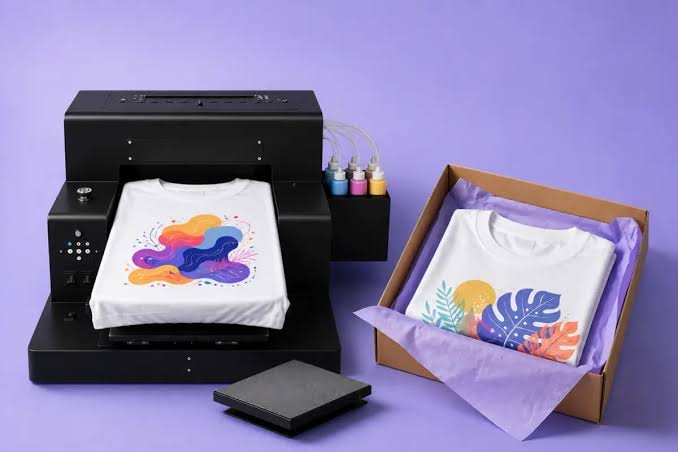
DTG printers vary widely in price and capability. Entry-level machines are perfect for startups or hobbyists, offering a lower initial investment but typically slower speeds and smaller print areas. Industrial-grade printers, conversely, offer high-speed, large-volume production, multiple platens, and advanced features, but come with a substantial price tag. When looking for a printer, consider print size, speed, ease of maintenance, and the manufacturer's reputation for support. The "best DTG printers 2026" will balance reliability with innovative features.
5.2. Ink & Consumables: A Breakdown of Recurring Costs
The initial printer purchase is just one part of the equation. Recurring costs include:
White ink vs. CMYK ink usage: White ink, used as a base layer on dark garments, is typically more expensive and consumed faster than CMYK inks.
Pre-treatment solution costs: This solution is essential and is a continuous expense.
Maintenance supplies: Cleaning solutions, swabs, and other consumables for daily upkeep add up. Understanding these costs is crucial for accurate pricing.
5.3. Understanding Profit Margins: Is DTG Profitable in 2026?
Yes, DTG printing remains highly profitable in 2026, especially for businesses catering to customization and small orders. Calculating your cost per print, including garment cost, ink, pre-treatment, and labor, is foundational. Pricing strategies should reflect the value of customization and quick turnaround. Targeting niches like personalized gifts, small business uniforms, or event apparel can lead to excellent profit margins and scaling opportunities. The direct-to-garment guide for success always emphasizes understanding your numbers.
6. DTG Printing FAQs (Frequently Asked Questions)
Here are some common questions about DTG printing that we frequently encounter:
6.1. How long does DTG printing last?
With proper care, a DTG print can last for 50+ washes or even longer. Durability is comparable to high-quality screen prints, though it's important to follow specific washing instructions.
6.2. Is DTG printing expensive to start?
The initial investment for a DTG printer can range from a few thousand dollars for entry-level models to tens of thousands for industrial ones. While it's a significant upfront cost, it's often more accessible than a full screen-printing setup, especially considering the lack of extensive setup fees per design.
6.3. Can you DTG print on dark shirts?
Absolutely! DTG printing excels on dark shirts. It requires a white ink underbase layer beneath the CMYK colors to ensure the design pops and remains vibrant, which also necessitates pre-treatment.
6.4. What is the minimum order for DTG?
One. That's one of DTG's biggest advantages. You can print a single custom shirt cost-effectively, making it perfect for personalized gifts, samples, or on-demand fulfillment without inventory.
6.5. What are the best care instructions for DTG garments?
To maximize print longevity, always wash DTG garments inside out in cold water. Use a mild detergent, avoid bleach and harsh chemicals, and tumble dry on low heat or hang dry. Do not iron directly on the print.
6.6. What's the latest in DTG tech for 2026?
Expect continued improvements in ink vibrancy, eco-friendliness, and fabric versatility. Faster print speeds, more integrated software solutions, and enhanced automation in pre-treatment and curing are key DTG trends.
Conclusion: Is DTG Printing Your Future in 2026?
DTG printing offers an incredible blend of design freedom, detail, and flexibility, making it an indispensable tool for custom apparel businesses in 2026. While it has specific requirements regarding fabric and maintenance, its ability to produce vibrant, soft-feel prints for small batches and personalized orders is unmatched. We’ve explored the ins and outs of direct-to-garment, from the DTG process and its pros and cons to crucial comparisons and practical setup advice. As MerchFox has consistently shown through years of experience, success in DTG hinges on understanding its nuances and applying best practices diligently. Evaluate DTG printing against your specific needs and goals – whether you’re a hobbyist or aiming for high-volume production, this quick guide to direct-to-garment in 2026 provides the foundation for informed decisions. Share your thoughts or questions in the comments below, and explore our other guides to elevate your custom apparel journey!