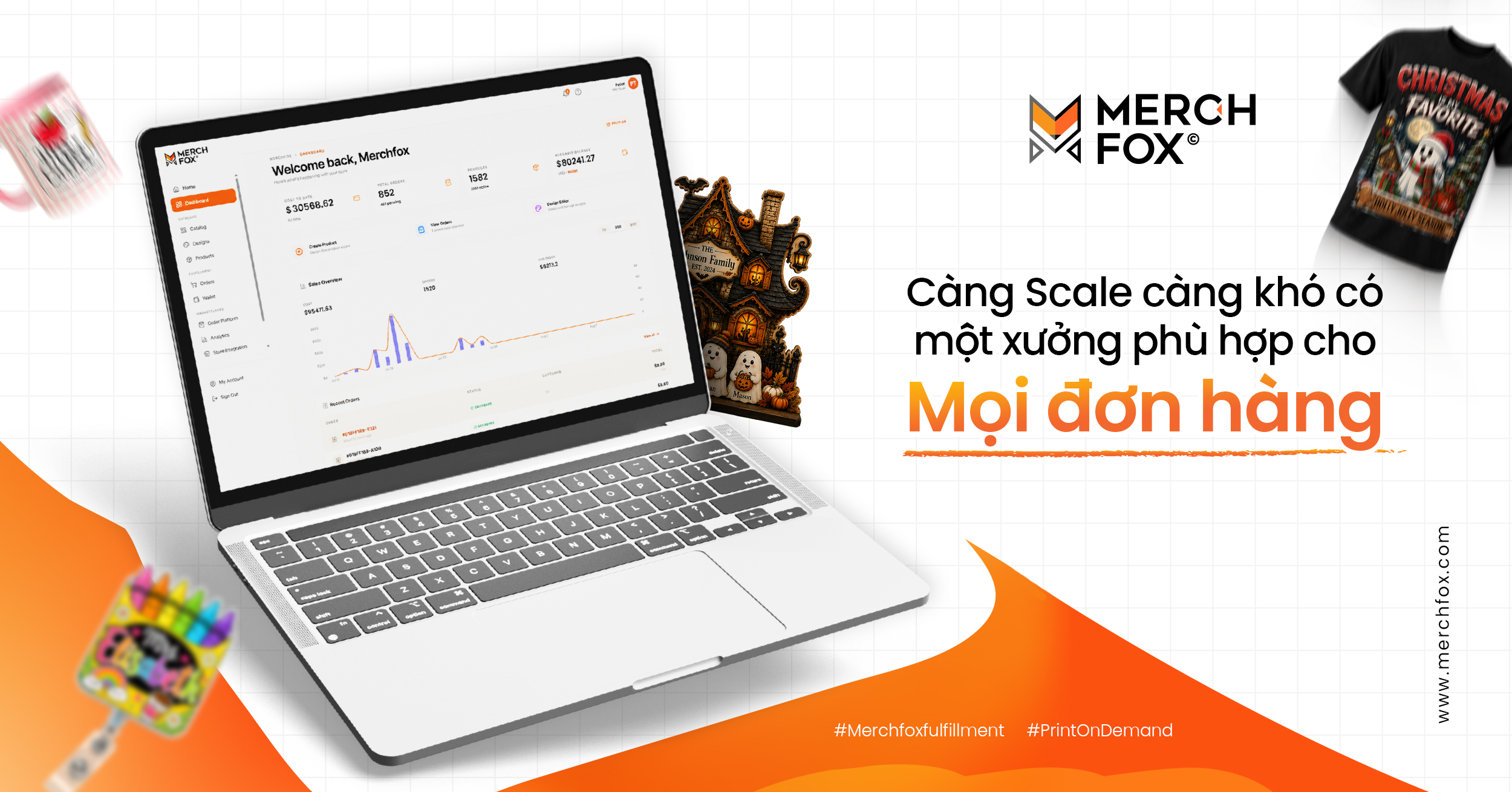



The beauty of today's stationery business landscape lies in innovative models like print on demand, which eliminate traditional barriers like inventory management and upfront costs. Platforms such as MerchFox have revolutionized how entrepreneurs can enter this market, making it possible to start with minimal investment while maintaining professional quality standards.
Understanding the Stationery Market Landscape
The modern stationery business extends far beyond simple notebooks and pens. Today's market encompasses everything from custom notebooks and planners to wedding invitations and art prints. This diversity creates multiple revenue streams and opportunities for specialization.
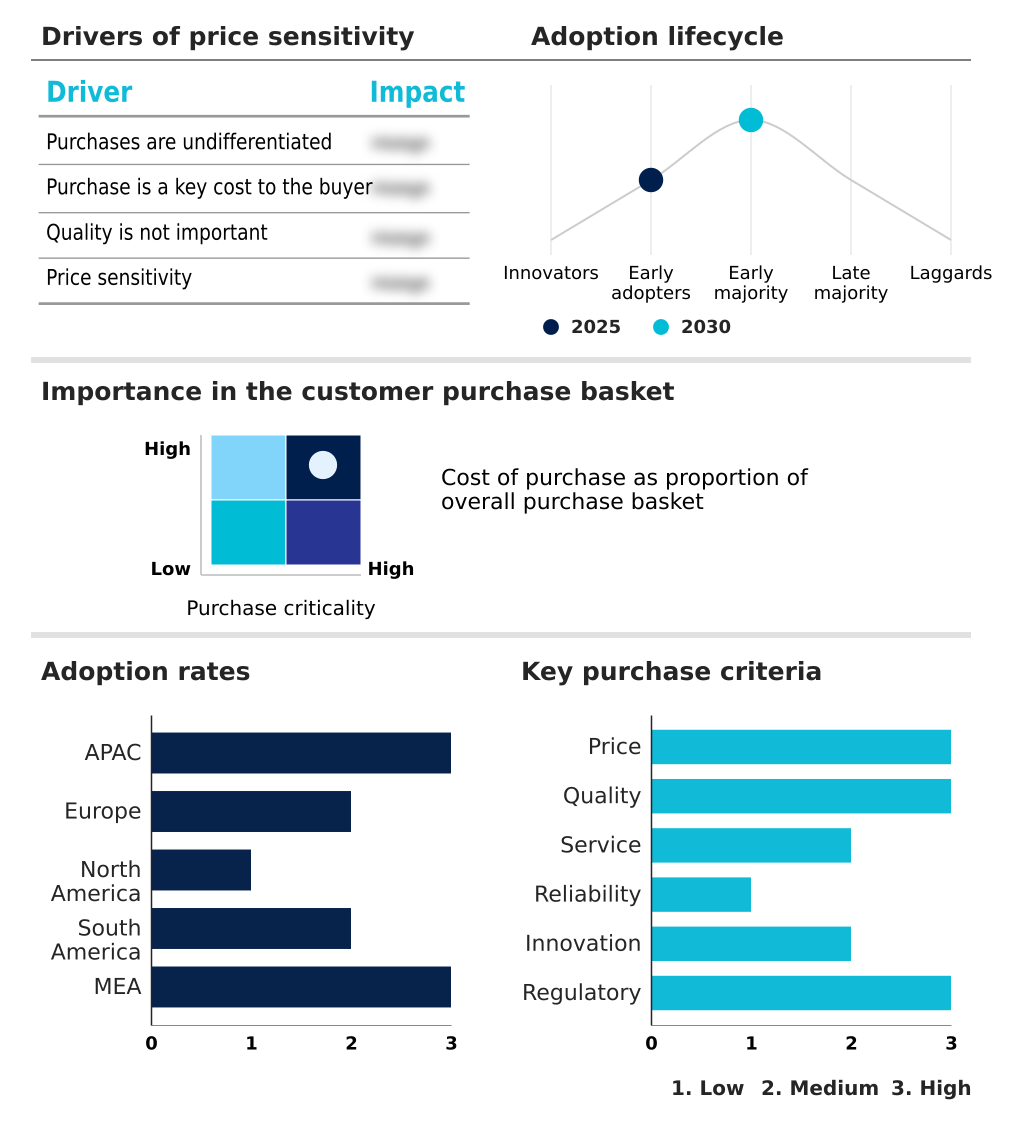
Market research reveals fascinating trends driving growth in this sector. Remote work culture has increased demand for home office stationery, while social media has fueled interest in aesthetically pleasing customizable products. Additionally, the rise of bullet journaling and productivity planning has created a devoted customer base willing to pay premium prices for quality products.
What makes this particularly exciting is how print on demand technology has democratized access to professional-quality production. Instead of investing thousands in inventory, entrepreneurs can now test products and scale gradually based on actual demand.
Identifying Profitable Stationery Niches
Success in the stationery business often comes down to finding the right niche. Rather than competing in oversaturated markets, smart entrepreneurs focus on specific customer segments with unique needs.

Wedding invitations represent one of the most lucrative niches, with couples willing to spend significant amounts on personalized designs. The key here is understanding that you're not just selling stationery – you're selling an experience and memory.
Planner enthusiasts form another passionate community. These customers often become repeat buyers, purchasing seasonal designs or different formats throughout the year. They value functionality combined with aesthetic appeal, creating opportunities for premium pricing.
For those interested in custom notebooks, consider targeting specific professions or hobbies. Notebooks designed for writers, artists, or business professionals can command higher prices than generic alternatives.
Art prints and decorative stationery tap into the home décor market, where customers seek unique pieces that reflect their personality. This niche particularly benefits from social media marketing, as these products are inherently shareable.
Creating Your Comprehensive Business Plan
Every successful stationery business starts with a solid foundation. Your business plan serves as both roadmap and reality check, helping you understand market dynamics and financial requirements before investing time and money.
Start by defining your target customer clearly. Are you serving busy professionals who need efficient office stationery, or creative individuals drawn to artistic greeting cards? This decision influences everything from product selection to marketing strategy.
Financial planning becomes straightforward with print on demand models. Unlike traditional manufacturing, you won't need substantial upfront inventory investments. However, you'll still need to budget for business registration, branding costs, website development, and initial marketing efforts.
Your business plan should also address scalability. How will you expand your product line? Which sales channels will you prioritize? What systems will support growth from startup to established business?
Legal Foundation and Business Structure
Proper business registration protects both you and your customers while establishing credibility in the marketplace. The choice between LLC, corporation, or sole proprietorship significantly impacts taxes, liability, and future growth options.

Most stationery business owners benefit from LLC formation, which provides liability protection without the complexity of corporate structures. This choice also offers flexibility in tax treatment and management structure.
Don't overlook the importance of obtaining proper business licenses. Requirements vary by location and business type, but most areas require basic business licenses and potentially sales tax permits. Check with your local Small Business Administration office for specific requirements in your area.
Opening a dedicated business bank account separates personal and business finances, simplifying bookkeeping and tax preparation. Many banks offer special programs for small businesses, including reduced fees and integrated payment processing.
Building a Compelling Brand Identity
Strong branding differentiates your stationery business in a crowded marketplace. Your brand encompasses more than just visual elements – it represents the complete customer experience and emotional connection with your products.
Start with a memorable business name that clearly communicates your focus while being easy to spell and remember. Avoid overly clever names that might confuse potential customers searching for custom stationery solutions.
Visual identity includes your logo, color palette, typography, and overall aesthetic. These elements should work harmoniously across all touchpoints, from product packaging to social media presence. Consider hiring a professional designer if budget allows, as quality branding significantly impacts perceived value.
Your brand voice shapes how you communicate with customers across all channels. Whether friendly and approachable or sophisticated and professional, consistency builds trust and recognition over time.
Product Development and Design Excellence
The heart of any successful stationery business lies in offering products customers genuinely want and need. This requires understanding both aesthetic preferences and functional requirements within your chosen niche.

Modern design tools make professional-quality creation accessible to entrepreneurs without formal design training. Platforms like Canva, Adobe Creative Suite, and Procreate offer templates and tutorials specifically for stationery design.
When creating custom notebooks, consider paper quality, binding methods, and size options. Customers notice these details, and premium materials justify higher prices while reducing returns and complaints.
Mockups play a crucial role in online sales, helping customers visualize products in real-world settings. Invest time in creating lifestyle photos that show your stationery being used in aspirational contexts.
Quality control becomes essential when working with print on demand partners. Order samples of every product before listing them for sale. This ensures you understand exactly what customers will receive and can address any issues proactively.
Mastering Print on Demand Operations
Print on demand has revolutionized the stationery business by eliminating inventory risks while maintaining professional quality standards. Understanding how to leverage this model effectively can make the difference between success and struggle.
MerchFox stands out among print on demand platforms for its extensive product catalog and reliable global delivery network. The platform offers everything from basic notebooks to premium planners and art prints, with quality levels suitable for retail sale.
Automated order fulfillment means customers receive products without your direct involvement in production or shipping. This creates genuine passive income potential once systems are properly established and optimized.
However, success requires more than simply uploading designs and waiting for orders. You must actively manage product listings, monitor quality, respond to customer inquiries, and continuously optimize based on performance data.
Building relationships with print on demand suppliers enhances service quality and often provides access to new products before competitors. Regular communication helps resolve issues quickly and may lead to preferential treatment during peak seasons.
Choosing and Optimizing Sales Channels
Your choice of sales channels significantly impacts both startup costs and long-term growth potential. Each platform offers distinct advantages and challenges that align differently with various business models.
Etsy excels for handmade and custom stationery products, offering built-in audience of customers seeking unique items. The platform's search algorithm favors shops with consistent sales and positive reviews, making early momentum crucial for long-term success.
Building your own online store using Shopify, Wix, or WooCommerce provides complete control over customer experience and data. While requiring more upfront investment in eCommerce SEO and marketing, owned channels offer better profit margins and customer relationship building opportunities.
Amazon's massive customer base provides unparalleled reach, but intense competition and changing policies create challenges for small businesses. Success on Amazon requires understanding their algorithm and advertising systems.
Multi-channel selling spreads risk while maximizing market reach. Start with one primary channel to build systems and experience, then expand strategically based on performance and capacity.
Optimizing Product Listings for Maximum Visibility
Effective product optimization determines whether potential customers find and purchase your stationery products. Each platform has unique algorithms and ranking factors, but certain principles apply universally.
Product titles should include primary keywords while remaining readable and appealing. Instead of "Notebook," use "Custom Dotted Journal Notebook for Bullet Journaling and Planning."
Product listings must balance keyword optimization with compelling copywriting. Describe benefits alongside features, helping customers understand how your products solve their problems or enhance their lives.
High-quality photos remain the most important factor in online stationery sales. Customers can't touch products before buying, so images must convey texture, size, and quality accurately. Include lifestyle shots showing products in use alongside clean product photos on neutral backgrounds.
Customer reviews significantly impact both search rankings and conversion rates. Encourage satisfied customers to leave detailed reviews by following up after delivery and providing exceptional service that motivates positive feedback.
Strategic Pricing for Profitability
Effective pricing strategy balances competitiveness with profitability while positioning your brand appropriately in the market. Understanding all costs involved in your stationery business prevents the common mistake of underpricing products.
Calculate base costs including production, platform fees, payment processing, and shipping. Add your desired profit margin – typically 40-60% for custom stationery products. Factor in time spent on design, customer service, and business management.
Psychological pricing techniques influence purchasing decisions. Prices ending in 9 or 7 often convert better than round numbers, while premium positioning sometimes justifies significantly higher prices for identical products.
Test different price points systematically, monitoring both conversion rates and total revenue. Sometimes higher prices actually increase sales by signaling quality and exclusivity to target customers.
Bundle pricing creates opportunities to increase average order values while providing customer value. Offer planner and sticker combinations, or notebook sets at attractive package prices.
Comprehensive Marketing Strategy Development
A well-executed marketing plan transforms great products into thriving business success. Modern stationery business marketing leverages multiple channels while maintaining consistent brand messaging across all touchpoints.
Social media marketing proves particularly effective for stationery products due to their visual appeal. Instagram and Pinterest users actively seek inspiration for planning, organization, and creative projects. TikTok's younger demographic shows strong engagement with stationery content, especially planner and bullet journal videos.
Content marketing establishes expertise while attracting potential customers through valuable information. Blog posts about organization tips, planning strategies, or creative uses for stationery products drive organic traffic while positioning your brand as helpful resource.
Email marketing maintains relationships with existing customers while nurturing prospects through purchase decisions. Collect emails through lead magnets like free planner templates or organization guides, then provide ongoing value through newsletters featuring tips, new products, and exclusive offers.
Leveraging Influencer and Affiliate Partnerships
Influencer marketing can dramatically accelerate stationery business growth by tapping into established audiences with relevant interests. Micro-influencers often provide better ROI than celebrity partnerships due to higher engagement rates and more affordable collaboration costs.
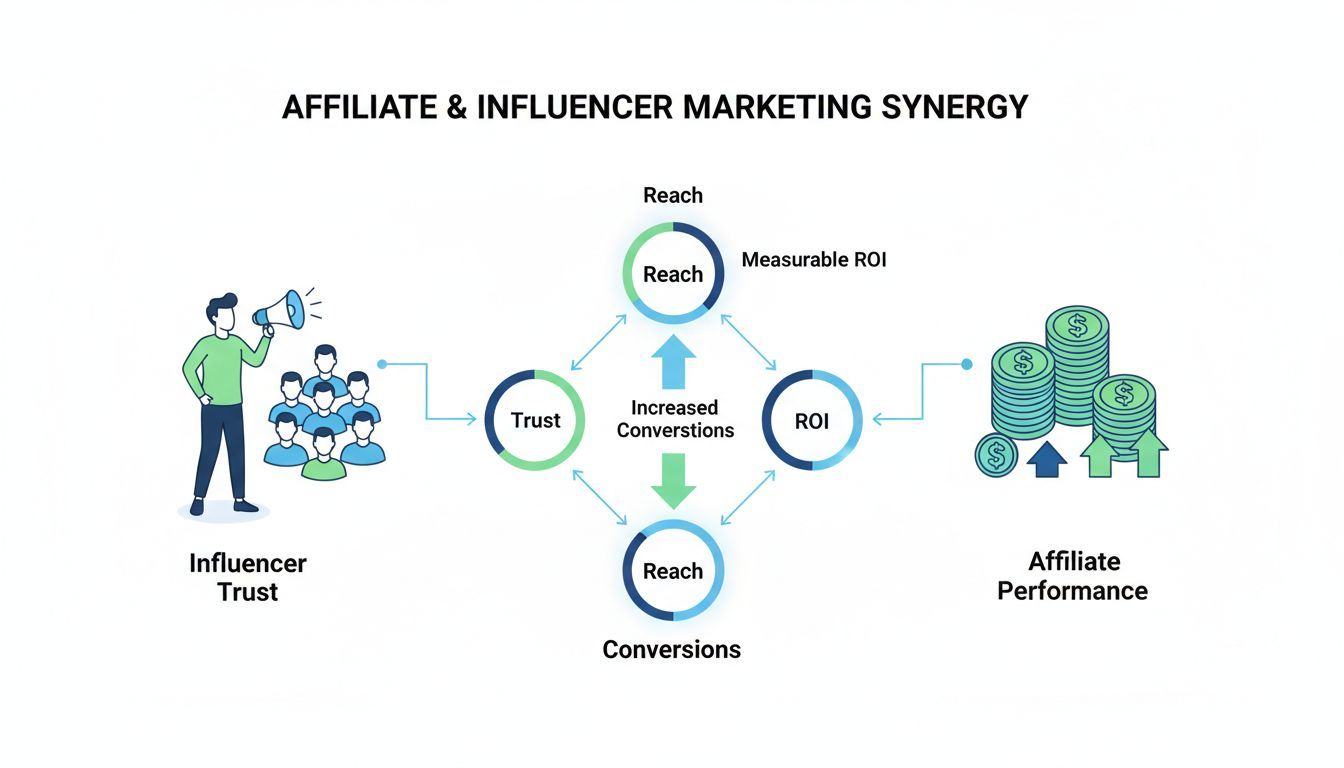
Partner with planning enthusiasts, bullet journal creators, artists, and productivity experts who align with your brand values. Provide free products in exchange for honest reviews and social media posts, or establish paid partnerships for larger accounts.
Affiliate marketing programs incentivize others to promote your products through commission-based relationships. Set up tracking systems to monitor referrals and ensure affiliates receive proper credit for sales they generate.
User-generated content campaigns encourage customers to share photos using your products with branded hashtags. Reposting customer content builds community while providing authentic social proof for potential buyers.
Operational Excellence and Scaling Strategies
Efficient operations distinguish successful stationery businesses from those that struggle despite great products. Implementing proper systems early prevents problems as order volume grows.
Customer service responsiveness directly impacts reviews and repeat purchases. Establish clear response time goals and standard procedures for common inquiries. Consider using chatbots for basic questions while ensuring human support for complex issues.
Inventory management with print on demand focuses on monitoring stock levels at supplier facilities and having backup options for popular products. Establish relationships with multiple suppliers to prevent stockouts during peak seasons.
Quality control systems catch issues before they reach customers. Regularly order samples, monitor customer feedback for recurring problems, and address issues promptly with suppliers.
Financial management becomes increasingly important as revenue grows. Use accounting software to track expenses, profit margins, and tax obligations. Consider hiring bookkeepers or accountants as complexity increases.
Building Passive Income Streams
The goal of many stationery business entrepreneurs is creating sustainable passive income through automated order fulfillment and scalable systems. Achieving this requires careful planning and system optimization.

Evergreen products like custom notebooks and planners generate consistent sales without constant promotion. Focus on creating designs with broad appeal that remain relevant year-round rather than trending items with short lifecycles.
Subscription models provide predictable revenue while increasing customer lifetime value. Consider offering monthly planner inserts, seasonal stationery collections, or curated product boxes for loyal customers.
Digital products complement physical stationery while offering 100% profit margins after creation. Planner templates, organization printables, and design elements appeal to DIY customers and can be sold alongside physical products.
Licensing designs to other manufacturers creates additional revenue streams without operational complexity. Once established, your designs can generate royalty income through partnerships with larger stationery companies.
Advanced Growth and Optimization Techniques
Scaling a stationery business beyond initial success requires sophisticated strategies and systems. Data-driven decision making becomes essential as complexity increases and mistakes become more costly.

Conversion rate optimization improves profitability without increasing traffic costs. Test different product photos, descriptions, pricing strategies, and checkout processes to identify improvements that boost sales percentages.
Search engine optimization (eCommerce SEO) for your online store drives organic traffic and reduces dependence on paid advertising. Focus on product pages optimized for specific keywords while building authority through valuable blog content.
International expansion opens new markets while diversifying revenue sources. Research import regulations, tax requirements, and cultural preferences in target countries before launching international sales.
Product line extensions leverage existing customer relationships while increasing average order values. Survey customers about desired products, analyze competitor offerings, and test new categories systematically.
Frequently Asked Questions
Q: How much money do I need to start a stationery business? A: With print on demand models like MerchFox, you can start a stationery business with as little as $100-500. This covers business registration, basic branding, and initial marketing. Traditional manufacturing requires $5,000-50,000+ in inventory investment.
Q: What's the difference between print on demand and traditional stationery manufacturing? A: Print on demand produces items only after orders are placed, eliminating inventory costs and risks. Traditional manufacturing requires upfront inventory investment but offers lower per-unit costs and more customization options. Print on demand is ideal for testing markets and new entrepreneurs.
Q: Which sales channel is best for custom stationery products? A: Etsy works well for handmade and custom stationery, while Shopify provides more control and branding opportunities. Amazon offers massive reach but intense competition. Most successful businesses use multiple sales channels to maximize opportunities.
Q: How do I price my stationery products competitively? A: Calculate all costs (production, fees, shipping) and add 40-60% profit margin. Research competitor pricing on similar products. Test different price points to find the sweet spot between competitiveness and profitability for your specific niche.
Q: What business structure should I choose for my stationery business? A: Most small stationery businesses benefit from LLC formation, which provides liability protection with simpler tax treatment than corporations. Consult with an accountant or attorney to determine the best structure for your specific situation and goals.
Q: How long does it take to see profits in a stationery business? A: With print on demand and effective marketing, some entrepreneurs see profits within 2-3 months. However, building a sustainable stationery business typically takes 6-12 months of consistent effort. Success depends on niche selection, marketing effectiveness, and operational efficiency.
Key Takeaways and Next Steps
Starting a successful stationery business in 2025 offers tremendous opportunities for creative entrepreneurs willing to combine passion with smart business strategies. The print on demand model has eliminated traditional barriers while maintaining quality standards that customers expect.
Success requires more than great products – it demands understanding your niche, implementing effective marketing plans, and building systems that scale efficiently. Whether you're creating custom notebooks, wedding invitations, or art prints, focus on solving real customer problems while building genuine brand connections.
The path forward starts with action. Choose your niche, register your business, and create your first products using platforms like MerchFox. Start small, test systematically, and scale based on proven results rather than assumptions.
Remember that building a profitable stationery business is a marathon, not a sprint. Focus on creating exceptional customer experiences, continuously improving your offerings, and building sustainable systems that generate passive income over time.
Your journey into the world of custom stationery entrepreneurship begins now. Take the first step, stay consistent, and let your creativity drive both personal fulfillment and business success in this thriving industry.
The stationery business landscape continues evolving with new technologies, changing customer preferences, and emerging market opportunities. Stay adaptable, keep learning, and always prioritize customer satisfaction as you build your entrepreneurial legacy in this exciting and rewarding industry.