

E-commerce Insights

Your Guide to Low-Competition Print On Demand Niches: Uncover Untapped Profit

14 min read

This guide is your guide to low-competition print on demand niches, designed to unlock sustainable success and profitability. We’re going to delve deep into the strategy of finding those hidden gems – specific market segments where demand exists, but the supply of unique, quality POD products is lacking. By focusing on these underserved areas, you can carve out a distinctive presence, attract a loyal customer base, and escape the relentless price wars that plague overcrowded markets. This approach isn't just about making a quick buck; it’s about building a resilient, recognizable brand that resonates deeply with its audience. As a seasoned expert in the field, MerchFox has seen firsthand how pivotal niche selection is to long-term success in POD.

Your Guide to Low-Competition Print On Demand Niches: Uncover Untapped Profit

What Exactly is a Print On Demand Niche?
What Exactly is a Print On Demand Niche?

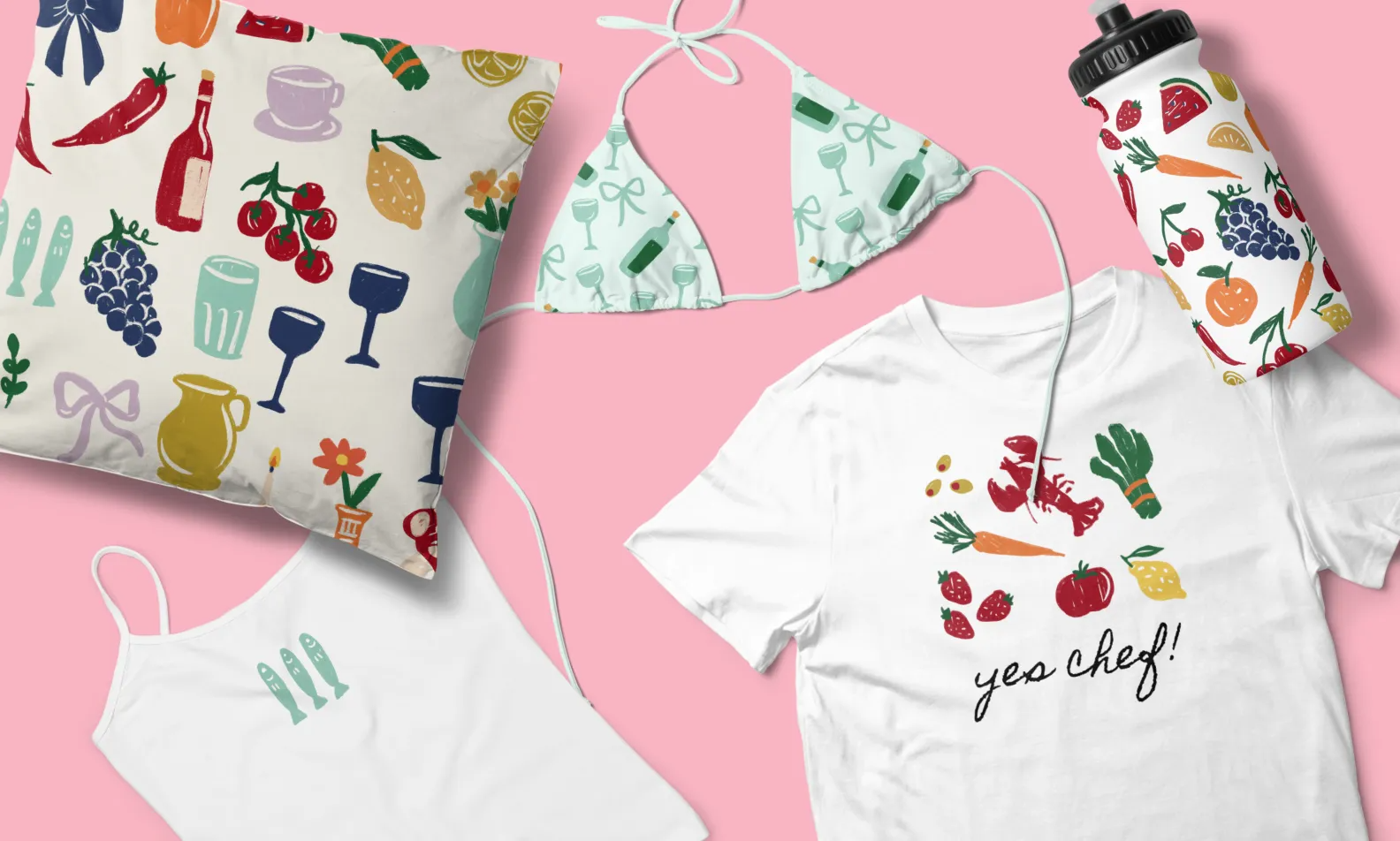
Before we dive into uncovering those hidden gems, let's ensure we're on the same page about what a "niche" really means in the context of Print On Demand. It's more than just a vague category; it's a precisely defined segment of a larger market, characterized by unique needs, interests, or demographics. Think of it as zooming in from a wide-angle shot to a macro lens.

Beyond Broad Categories: The Power of Specificity

When most people start in POD, they often think broadly: "I'll sell t-shirts for dog owners." While "dog owner" is a market, it's a vast and competitive one. A true niche, however, is much more focused. Instead of "dog owner," think "Pitbull owners who love retro video games" or "owners of senior rescue greyhounds interested in sustainable pet products." These are specific segments with distinct identities and often unmet product desires. They are looking for something particular, not just any dog-themed shirt. This level of specificity is what we refer to as a micro-niche – a highly granular segment within a broader niche. The power of specificity lies in its ability to connect with customers on a much deeper, more personal level, setting the foundation for your guide to low-competition print on demand niches.


Why Low-Competition Niches Are Your POD Goldmine

Why Low-Competition Niches Are Your POD Goldmine

Venturing into low-competition niches isn't just a suggestion; it's a strategic imperative for long-term success in Print On Demand. It shifts you from being one fish in a massive ocean to a significant presence in a smaller, more manageable pond. This strategic move offers a multitude of benefits that directly impact your brand's growth and profitability.

Higher Visibility & Easier Marketing

In a crowded market, your products struggle to be seen. You're constantly fighting for attention against thousands of others. In a low-competition niche, there's less noise. Your target audience finds you more easily, whether through organic search, social media, or targeted advertising. This translates to more effective marketing campaigns with better conversion rates and significantly reduced Cost Per Click (CPC) for your ads. When you're not competing with giants, your marketing dollars stretch further.

Enhanced Profit Margins & Reduced Price Pressure

When a market is oversaturated, the easiest way to compete is often on price, leading to a race to the bottom that erodes profit margins. In a low-competition niche, customers are often willing to pay a premium for unique, specialized products that perfectly cater to their specific interests or needs. There are fewer direct competitors offering the exact same thing, which means you're under less pressure to constantly drop prices, allowing you to maintain healthier profit margins.

Build a Stronger Brand & Community

Focusing on a specific niche allows you to speak directly to a particular audience. You understand their language, their inside jokes, their pain points, and their aspirations. This deep understanding enables you to craft messaging and designs that resonate profoundly, fostering genuine loyalty and repeat purchases. You're not just selling products; you're building a community around shared passions, making your brand truly indispensable to them.

Becoming an Authority (E-E-A-T in Action)

By dedicating yourself to a specific niche, you naturally develop deep expertise. You become the go-to source for products and insights within that specialized area. This builds immense trust and authority – key components of E-E-A-T. Customers recognize your genuine understanding and passion, making your brand not just a seller, but a trusted resource. This expertise translates into credibility, a crucial asset for long-term brand building.


Your Step-by-Step Blueprint to Discover Low-Competition POD Niches
Your Step-by-Step Blueprint to Discover Low-Competition POD Niches

Finding your guide to low-competition print on demand niches requires a blend of introspection, rigorous research, and a dash of creativity. It's a systematic process that moves beyond guesswork, providing actionable steps to pinpoint profitable opportunities.

Start with Your Passions & Expertise

The most authentic and sustainable niches often stem from your own interests. What hobbies do you have? What topics do you obsess over? What unique experiences have shaped your life? Leveraging existing knowledge means you already understand the audience, their language, and their pain points. This authenticity shines through in your designs and messaging, giving you an inherent advantage. For example, if you're a keen hiker who loves local flora, you might discover a niche for "Appalachian Trail botanist humor."

Deep-Dive Market Research & Trend Analysis

This is where the detective work begins.

  • Google Trends: Start by identifying rising search queries, evergreen topics, and seasonal spikes. Look for consistent interest over time, not just fleeting fads. For instance, "cottagecore aesthetic" might show a steady, growing interest, suggesting a viable niche.

  • Keyword Research Tools: Utilize tools like Ahrefs, SEMrush, or even free options like Google Keyword Planner. Seek out long-tail keywords – these are typically 3+ word phrases that have lower search volume but much higher buyer intent (e.g., "vintage mushroom foraging t-shirt" instead of just "mushroom t-shirt"). Lower search volume often indicates lower competition.

  • Etsy, Amazon, Pinterest, Reddit: These platforms are goldmines. On Etsy and Amazon, analyze best-selling products in broader categories, then look at the "customers also bought" sections or related searches for sub-niches. Pinterest is excellent for visual trends and lifestyle niches. Reddit, with its countless subreddits, offers direct insight into community discussions, inside jokes, and unmet desires for specific groups like "r/DnDMemes" or "r/specialtycoffee."

  • Social Listening: Monitor forums, Facebook groups, and relevant hashtags on platforms like Instagram and TikTok. What are people talking about? What are their pain points? What unique phrases or inside jokes do they use? This uncovers genuine needs and language.

Competitor Analysis with a Twist

Don't just look at what successful competitors are doing; identify the gaps in their offerings. Perhaps a popular "gardening" brand doesn't cater to "urban balcony gardeners" or "heirloom seed collectors." Look for underserved sub-segments within existing niches. What are they not doing? Can you offer a unique design style, a different product type, or a more authentic voice?

Demographic & Psychographic Profiling

Beyond "who" your customer is (demographics like age, location), consider "why" they buy (psychographics like interests, values, lifestyle, beliefs). Are they eco-conscious? Do they value handmade goods? Are they part of a specific subculture? Creating detailed buyer personas helps you design products and marketing messages that genuinely resonate. Imagine a persona for "a 30-something introvert who loves sci-fi novels and needs comfortable, subtle fandom apparel."

Problem-Solving Approach

What common problems or unmet needs can your POD products address for a specific group? Often, the best niches solve a unique problem or fulfill a very specific desire. For example, finding "gifts for left-handed bakers" is a known challenge, as is sourcing "humor for introverted cat owners" that truly gets their specific perspective. Think about niche problems that mass markets ignore.


Inspiring Examples of Untapped & Low-Competition Print On Demand Niches
Inspiring Examples of Untapped & Low-Competition Print On Demand Niches

To truly understand the potential, let’s explore some concrete examples of unique and low-competition print on demand niches. These aren't necessarily "hot trends," but rather stable, underserved communities with specific interests.

Hyper-Specific Hobbyist & Interest Groups

These audiences are deeply passionate and often starved for niche-specific merchandise.

  • Examples: "Miniature wargaming accessories with abstract art designs," "Rare plant enthusiasts focusing on aroids," "Vintage electronics repair humor," "Specific birdwatching communities for raptor identification."

  • Why it's low-competition: The sheer specificity means mass producers overlook them. Their passion drives willingness to pay for tailored products.

Niche Professions & Specialized Trades

People take pride in their work, especially if it's unique or specialized. Inside jokes and industry-specific terminology resonate deeply.

  • Examples: "Artisan cheesemakers' puns," "Book conservators' appreciation society," "Forensic scientists' dark humor," "Specific medical specialists (e.g., neurosurgeons) funny office wear," "Archeologists' dig site humor."

  • Why it's low-competition: Small, highly specialized communities with unique inside jokes and terminology that only they understand, making the designs exclusive and desirable.

Unique Life Stages & Underrepresented Events

Life has countless milestones, but many are overlooked by generic gift markets.

  • Examples: "Adoption journey milestones for LGBTQ+ parents," "Divorce celebration gifts for women over 50," "Retirement gifts for specific careers like librarians or park rangers," "Empty nesters with a twist (e.g., celebrating new hobbies)."

  • Why it's low-competition: These often trigger highly emotional purchases and are overlooked by mass-market generic offerings.

Cultural, Regional, or Historical Micro-Niches

This requires genuine knowledge and appreciation, which builds immediate E-E-A-T.

  • Examples: "Local folklore creatures from specific US regions (e.g., Jersey Devil fan art)," "Obscure historical figures' fan club (e.g., Nikola Tesla's lesser-known quotes)," "Specific architectural styles (e.g., Brutalism appreciation society)," "Endangered languages/dialects revitalization apparel."

  • Why it's low-competition: Requires deep cultural or historical knowledge, has limited mass appeal but generates strong, loyal niche appeal.

Specific Aesthetics, Art Styles, or Subcultures

These niches appeal to people who identify strongly with a particular visual or philosophical style.

  • Examples: "Dark academia fashion for non-students," "Goblincore home decor," "Cyberpunk literary art (focused on specific authors)," "Abstract expressionist interpretations on everyday items."

  • Why it's low-competition: Requires artistic vision and a nuanced understanding of specific aesthetics, which is harder for mass producers to replicate authentically.

Sustainable & Eco-Conscious Themes with a Twist

Combine environmental values with a specific lifestyle or humor.

  • Examples: "Zero-waste living for busy parents," "Compost humor," "Upcycling advocacy apparel," "Ocean clean-up supporter gear for specific coastlines."

  • Why it's low-competition: It effectively combines two niches, appealing to values-driven consumers who seek out purposeful products.

Niche Humor & Inside Jokes

The best humor comes from shared experiences within a specific group.

  • Examples: "Sarcastic puns for software developers," "Introvert appreciation humor," "D&D alignment chart memes for specific classes (e.g., 'Chaotic Good Barbarian')."

  • Why it's low-competition: Requires deep understanding and membership (or keen observation) of a group's unique humor, making it hard for outsiders to replicate.


Strategies for Success Once You've Found Your Niche

Strategies for Success Once You've Found Your Niche

Identifying your guide to low-competition print on demand niches is just the first step. True success comes from how you execute within that niche. It’s about more than just designs; it’s about becoming an integral part of that community.

Master Your Niche's Language & Culture

This is paramount. Speak directly to your audience; use their jargon, understand their values, and share their inside jokes. This level of authenticity helps you create designs that resonate deeply, not just superficially. If your niche is "board game designers," your designs should reflect their struggles with rulebooks and playtesting, not just generic game pieces.

Prioritize High-Quality Designs & Products

Even in a low-competition niche, quality is non-negotiable. It builds trust, encourages repeat purchases, and solidifies your brand's reputation (key for E-E-A-T). Invest in skilled designers or design software, and choose POD suppliers known for excellent product quality and consistent printing. A unique design on a poorly printed shirt will only disappoint.

Targeted Marketing & Community Engagement

Don't cast a wide net. Instead, identify precisely where your niche audience gathers online. Are they on specific forums, dedicated Facebook groups, subreddits, or even niche-specific TikTok trends? Engage authentically in these communities. Offer value, participate in discussions, and don't just push products. Utilizing niche-specific influencers, even micro-influencers, can also be incredibly effective.

Embrace Experimentation & Iteration

Start small. Test various designs, product types, and marketing messages within your niche. Gather feedback from your initial customers and adapt quickly. The POD model allows for this agility. Monitor trends within your niche – not broad trends, but specific shifts in interest or conversations relevant to your audience. This iterative approach keeps your offerings fresh and relevant.

Build Trust and Transparency (E-E-A-T Focus)

Consistently demonstrate your understanding and passion for the niche. Share your "why" – why you care about this specific community or interest. Provide excellent customer service that reflects your dedication. Transparency about your products and processes further solidifies trust. MerchFox often emphasizes that a genuine connection with your audience is your greatest asset.


Common Pitfalls to Avoid in Low-Competition POD Niches

While low-competition niches offer immense advantages, they also come with their own set of potential challenges. Being aware of these pitfalls can help you navigate them effectively.

Niche Too Small to Be Profitable

There's a delicate balance. A niche can be so specific that the actual market size is too tiny to generate consistent sales. While you want low competition, you still need sufficient demand. Before committing heavily, validate your niche's demand through comprehensive market research. Look for active online communities and consistent, albeit low, search volumes for your targeted keywords.

Underestimating the Need for Quality

Just because a niche is underserved doesn't mean its customers will accept subpar products. People in specialized communities are often discerning. Unique designs need to be paired with well-made products and reliable printing. Skimping on quality will quickly erode the trust you've worked hard to build.

Neglecting Niche-Specific Marketing

Applying general marketing strategies to a highly specific audience is a recipe for failure. You can't reach "goblincore enthusiasts" with the same ads you'd use for a generic "nature lover" audience. Your marketing efforts must be as tailored and specific as your niche itself. Understand their platforms, their language, and their motivations.

Lack of Authenticity

Niche customers, especially those in passionate subcultures, are highly attuned to authenticity. They can quickly detect "fakers" or brands that are merely trying to capitalize on their interest without genuine understanding. Your designs, messaging, and engagement must come from a place of true appreciation and knowledge.


Conclusion: Your Niche Awaits

The landscape of Print On Demand is dynamic, but the core principles of building a successful business remain constant. By choosing to focus on low-competition niches, you're not just avoiding the crowds; you're strategically positioning yourself for higher visibility, greater profitability, and the invaluable opportunity to build a deeply connected and loyal customer base. This focused approach allows you to become an authority in your chosen domain, embodying the very essence of E-E-A-T principles.

This entire article has served as your guide to low-competition print on demand niches, emphasizing that careful research, genuine creativity, and unwavering authenticity are the true keys to sustainable success. The opportunities are out there, waiting to be discovered by those willing to look beyond the obvious. Don't let market saturation deter you. Instead, let it be the catalyst for a smarter, more targeted approach. As MerchFox consistently advises, the real magic happens when you deeply understand and serve a specific, passionate audience. Start brainstorming your passions today, dive into thorough keyword research, and confidently uncover your unique and profitable place in the POD world!


Frequently Asked Questions (FAQ)

Q: How do I know if a niche is truly "low-competition"?

A: To identify a low-competition niche, look for several indicators: low search volume but high buyer intent for relevant long-tail keywords, a scarcity of dedicated online stores or robust ad campaigns from competitors, and active, but not oversaturated, online communities centered around that specific interest. You're looking for areas where demand exists but isn't being fully met.

Q: What's the minimum audience size for a niche to be viable?

A: There's no fixed minimum, as profitability also depends on your product pricing and marketing efficiency. However, a viable niche typically has an audience large enough to generate consistent sales. This can often be validated by finding active online communities (like Facebook groups with thousands of members or subreddits with tens of thousands) and consistent, albeit lower, keyword search volumes. A smaller but highly engaged and spending audience can be more profitable than a large, passive one.

Q: Should I create multiple niche stores or focus on one?

A: For beginners, focusing intently on one low-competition niche is generally recommended. This allows you to develop deep expertise, concentrate your marketing efforts, build genuine authority (E-E-A-T), and avoid spreading yourself too thin. Once you've established a solid foundation and consistent revenue with one niche, you can then strategically expand to a second or third, leveraging your learned experience.

Q: How often should I re-evaluate my niche?

A: You should periodically re-evaluate your niche, perhaps on a quarterly or semi-annual basis. This involves monitoring for new trends, assessing changes in competition, and checking for shifts in audience engagement or interests. While low-competition niches are generally more stable, vigilance ensures you remain relevant and can adapt if necessary.

Written by

John Nguyen

Print-on-demand tips, seller guides, and product updates from the MerchFox editorial team.

View author profile →

Ready to scale your POD store?

Connect your shop and start selling with MerchFox fulfillment.

Get started free

Keep reading

Related articles

All articles →
How to Start a Stationery Business: Your Complete 2025 Guide to Success

How to Start a Stationery Business: Your Complete 2025 Guide to Success

Starting a stationery business has never been more accessible or profitable than it is today. With the global stationery market valued at over $150 billion and growing steadily, there's tremendous opportunity for entrepreneurs ready to dive into this creative industry. Whether you're passionate about custom stationery design or looking to build a sustainable passive income stream, this comprehensive guide will walk you through every step of launching your successful venture.

Read article
The Ultimate Step-by-Step Guide on How to Make Custom Bumper Stickers at Home

The Ultimate Step-by-Step Guide on How to Make Custom Bumper Stickers at Home

Learn how to make your own unique bumper stickers with our comprehensive guide! Discover multiple DIY methods, from printable vinyl to budget-friendly alternatives, plus design tips, durability secrets, and how to sell your creations.

Read article
The open road is a canvas, and what better way to express yourself, share a laugh, or promote a cause than with a custom bumper sticker? Far from just a decorative piece, a well-placed sticker on your vehicle transforms it into a mobile billboard for your personality or brand. The thought of creating your own might seem daunting, but it’s an incredibly rewarding and surprisingly straightforward DIY project. From personalizing your ride to crafting unique gifts, diving into the world of how to make your own bumper stickers opens up a realm of creative possibilities.  The beauty of DIY bumper stickers lies in their personalization and cost-effectiveness. You’re not limited by mass-produced designs, allowing you to create truly unique, eye-catching visuals. Plus, it's a fun hobby that can even blossom into a profitable side hustle. This comprehensive guide will cover everything you need to know, from multiple reliable methods and essential tools to clever design tips and advanced considerations for durability. Here at MerchFox, we’ve explored the ins and outs of custom creations, and we’re excited to share our insights to help you get started on your bumper sticker journey.  Before You Begin: Defining Your Bumper Sticker Project Before you gather your materials and fire up your design software, take a moment to clarify your project's scope. This initial planning stage is crucial for choosing the right method and materials for your homemade bumper stickers.  2.1. Purpose: Personal Expression, Gifts, Branding, or Resale? Are you looking to simply adorn your own car with a funny quote, create a thoughtful gift for a friend, or perhaps promote your small business? Maybe you're even exploring how to make your own bumper stickers with the intent to sell them. Your ultimate purpose will significantly influence your material choices and desired durability. For a personal touch, simple methods might suffice, but for branding or resale, professional-grade materials and longevity become paramount.  2.2. Durability Needs: Indoor vs. Outdoor, Temporary vs. Long-Lasting, Weather-Resistance. A sticker for an indoor laptop won't need the same robust protection as one exposed to sun, rain, and road grime. For truly outdoor-ready, waterproof bumper stickers, weather-resistance and UV protection are non-negotiable. Consider how long you want your sticker to last and under what conditions it will be displayed. This will guide your selection of laminates and printing materials.  2.3. Design Ideas: Brainstorming Themes, Messages, Visual Style. This is where your creativity truly comes alive! Think about what you want your custom bumper stickers to communicate. Will it be humorous, political, artistic, or informative? Sketch out some ideas, consider fonts, colors, and imagery. A strong initial design concept will streamline the entire process, ensuring your final product effectively conveys your message.  Essential Materials & Tools for Homemade Bumper Stickers Having the right arsenal of materials and tools is key to successful DIY bumper stickers. Fortunately, most items are readily available, often found at your local craft store or online.  3.1. Design Software/Tools Your design journey starts here.  Computer-based: For professional results, programs like Adobe Illustrator or Photoshop offer extensive control. However, user-friendly alternatives like Canva (which, as Royal Elements notes, is excellent for beginners) provide templates and easy-to-use interfaces. GIMP is a powerful free option for image manipulation. Hand-drawing: If you prefer a more artistic touch, good old-fashioned markers, pens, and paper can be used to create your design, which can then be scanned into your computer for printing. 3.2. Printing & Base Materials This is where your design comes to life on a physical surface.  Printable Vinyl: This is the gold standard for durable, printable vinyl bumper stickers. You can find white, clear, matte, or glossy options specifically designed for inkjet or laser printers. Brands like Royal Elements are popular choices among DIY enthusiasts. Regular Paper: For a super budget-friendly alternative, as seen in Instructables' "Nebsi Method," standard printer paper can be used, though it will require significant protection later. 3.3. Protection & Lamination Crucial for transforming printed designs into resilient homemade bumper stickers.  Self-adhesive Laminating Sheets: These are often the key to waterproofing and UV protection, particularly highlighted in both Instructables' and Royal Elements' methods. They come in various finishes (glossy, matte) and sizes. Clear spray sealant (alternative): While not as robust as laminating sheets, a clear acrylic spray can offer some protection against moisture and UV rays. 3.4. Cutting Tools To give your stickers their final shape.  Scissors or craft knife: For simple shapes or when you're just starting out, a good pair of sharp scissors or a craft knife with a cutting mat will do the trick. Cutting machine (Cricut, Silhouette): For precision, intricate designs, or if you plan to make many stickers, a cutting machine like a Cricut or Silhouette is an invaluable investment. 3.5. Application Aids For a smooth, professional finish.  Squeegee: Helps press out air bubbles during application. Rubbing alcohol: Essential for thoroughly cleaning the surface of your vehicle before applying the sticker, ensuring maximum adhesion. 4. Method 1: The Popular Printable Vinyl Bumper Sticker Guide This method, often employed by experienced DIYers and detailed in resources like Royal Elements and wikiHow, is considered the benchmark for creating high-quality, durable custom bumper stickers at home.  Method 1: The Popular Printable Vinyl Bumper Sticker Guide Method 1: The Popular Printable Vinyl Bumper Sticker Guide 4.1. Step 1: Design Your Masterpiece. Start by creating your artwork in your chosen design software. Focus on high-resolution graphics to ensure crisp lines and vibrant colors. Pay attention to the correct dimensions for your desired sticker size. If you’re incorporating text, ensure it’s legible even from a distance, choosing bold fonts and contrasting colors. MerchFox often advises using a CMYK color profile if your printer supports it, as it’s better for print accuracy than RGB.  4.2. Step 2: Print Your Design on Vinyl. Load your printable vinyl into your home printer (inkjet or laser, depending on your vinyl type). It's crucial to select the correct printer settings – typically "photo quality" or "glossy paper" – to ensure the ink adheres properly and colors are vibrant. Print a test sheet on regular paper first to check colors and layout. Once printed on vinyl, allow ample time for the ink to dry completely, usually several hours, to prevent smudging.  4.3. Step 3: Laminate for Ultimate Protection (Crucial for Durability). This is perhaps the most critical step for outdoor waterproof bumper stickers. Laminating protects your sticker from UV fading, water damage, and scratches. Carefully peel back a small corner of your self-adhesive laminating sheet and align it with your printed vinyl. Slowly and steadily press the laminate down, using a squeegee or even a credit card to smooth it out and push any air bubbles towards the edges. Take your time here – a smooth lamination is key to longevity.  4.4. Step 4: Cut Out Your Bumper Sticker. With your design now printed and protected, it’s time to cut it out. For simple shapes, sharp scissors or a craft knife can achieve a clean edge. If you’re using a cutting machine like a Cricut or Silhouette, follow your machine’s instructions for calibrating and cutting, which allows for incredibly precise and complex shapes.  4.5. Step 5: Prepare and Apply Your Sticker. Proper application ensures your sticker stays put. First, thoroughly clean the application surface on your vehicle with rubbing alcohol and let it dry completely. This removes any wax, dirt, or grease that could prevent adhesion. Slowly peel the backing off your bumper sticker. Position it carefully, then apply it from one side to the other, using a squeegee to press it down firmly and work out any remaining air bubbles. For best results, MerchFox recommends applying in moderate temperatures, avoiding extreme heat or cold.  5. Method 2: The Budget-Friendly "Nebsi Production Method" (Laminate & Paper) For those looking for a cost-effective alternative or a more temporary solution, the "Nebsi Production Method," popularized on Instructables, is an ingenious way to create homemade bumper stickers using regular paper and laminating sheets.  Method 2: The Budget-Friendly "Nebsi Production Method" (Laminate & Paper) Method 2: The Budget-Friendly "Nebsi Production Method" (Laminate & Paper) 5.1. Understanding the "Nebsi Method": This method cleverly uses the laminating sheet not just for protection but also to create a repositionable, adhesive layer. By laminating both the front and back of a regular paper print, you encapsulate the design and create a surface that can be adhered to a car and even repositioned with care. It's a fantastic entry point for how to make your own bumper stickers without investing in specialized vinyl.  5.2. Step 1: Design & Print on Regular Paper. Create your design as usual, but this time, print it onto high-quality regular printer paper. While regular paper won't offer the inherent durability of vinyl, focusing on the best possible print resolution will ensure your colors are vibrant and details are crisp.  5.3. Step 2: Apply Laminate to the Front. Carefully apply a self-adhesive laminating sheet to the front (design side) of your printed paper. This layer protects your design from moisture and wear, giving it a glossy or matte finish depending on your laminate choice. Ensure a smooth, bubble-free application, as this is the primary protective layer.  5.4. Step 3: Apply Laminate to the Back. This is the unique step for the "Nebsi Method." Apply a second laminating sheet to the back of your paper. This second layer, once trimmed with a slight border, creates a temporary, repositionable adhesive surface. When you’re ready to apply, you simply peel off a portion of the backing paper from this laminate.  5.5. Step 4: Trim and Finish. Once both sides are laminated, trim your sticker to the desired shape, leaving a small border of laminate around the design. This border helps seal the paper edges, further protecting it from moisture.  5.6. Benefits & Best Use Cases: The Nebsi Method is incredibly cost-effective, yields a nice glossy finish (if using glossy laminate), and offers easy repositioning, making it ideal for temporary messages or if you frequently change your mind. While not as durable as pure vinyl in extreme conditions, it’s a brilliant way to experiment with custom bumper stickers on a budget.  6. Method 3: Quick & Artistic Hand-Drawn Bumper Stickers For those who love a truly unique, artisanal touch, hand-drawn bumper stickers offer unparalleled originality. This method emphasizes creativity and individual flair over mass production.  Method 3: Quick & Artistic Hand-Drawn Bumper Stickers Method 3: Quick & Artistic Hand-Drawn Bumper Stickers 6.1. Materials: You'll need sturdy cardstock or heavy paper, waterproof markers or paints (like acrylics), and clear contact paper or a spray sealant for protection.  6.2. Process: First, draw or paint your design directly onto the cardstock. Once completely dry, apply clear contact paper smoothly over the entire design for basic waterproofing, or use several coats of a clear spray sealant. After the sealant dries, cut out your design. To apply, you can use double-sided outdoor adhesive tape or magnets for a removable option.  6.3. Best for: This method is perfect for truly unique, artistic, one-off designs or protest signs where the raw, handmade aesthetic adds to the message. While less durable than printed vinyl methods, the authenticity is undeniable.  7. Maximizing Durability and Longevity: Pro Tips for Your Bumper Stickers Creating homemade bumper stickers that last requires attention to detail, especially when aiming for outdoor durability.  Maximizing Durability and Longevity: Pro Tips for Your Bumper Stickers Maximizing Durability and Longevity: Pro Tips for Your Bumper Stickers 7.1. The Importance of Quality Lamination: As MerchFox often stresses, lamination is your first line of defense. A high-quality laminating sheet provides critical UV resistance (preventing fading), waterproofing (protecting against rain and washes), and scratch protection (guarding against minor abrasions). Don't skimp on this step for outdoor stickers.  7.2. Material Selection: Choosing weather-resistant printable vinyl, designed specifically for outdoor use, provides a superior base. These materials are formulated to withstand environmental stressors better than standard paper or indoor vinyls.  7.3. Proper Surface Preparation: The longevity of your sticker is directly tied to its adhesion. Always clean the application surface thoroughly with rubbing alcohol to remove any contaminants. A clean, dry surface ensures maximum stick and prevents premature peeling.  7.4. Handling & Storage: Before application, store your stickers flat in a cool, dry place away from direct sunlight. Improper handling, like bending or creasing, can compromise the adhesive or lamination, leading to issues later on.  8. From Hobby to Business: How to Make Bumper Stickers to Sell Turning your passion for custom bumper stickers into a profitable venture is entirely achievable. Many successful businesses started in a home workshop, as resources like wikiHow and Swagify highlight.  From Hobby to Business: How to Make Bumper Stickers to Sell From Hobby to Business: How to Make Bumper Stickers to Sell 8.1. Market Research: Identify trends, popular niches, and target audiences. What messages resonate? What visual styles are currently popular? Research what's selling well on platforms like Etsy or local craft markets.  8.2. Designing for Profit: To create marketable designs, focus on uniqueness, high-quality aesthetics, and broad appeal within your chosen niche. Think about witty phrases, compelling graphics, or designs that speak to specific interests.  8.3. Material & Production Costs: Accurately calculate all your expenses, including printable vinyl, laminating sheets, ink, cutting blades, and even packaging. Understanding these costs is crucial for setting profitable prices. For bulk production, a cutting machine becomes highly cost-effective.  8.4. Pricing Your Bumper Stickers: Consider your production costs, the perceived value of your design, and competitor pricing. Aim for a price that covers your expenses, provides a reasonable profit, and remains attractive to buyers.  8.5. Marketing & Sales Channels: Etsy, Shopify, and other e-commerce platforms are excellent for online sales. Don't overlook local markets, craft fairs, or even collaborating with local businesses. Social media, particularly Instagram and TikTok, are powerful tools for showcasing your designs and reaching potential customers.  8.6. Packaging & Shipping: Presenting a professional product enhances perceived value. Use sturdy envelopes or mailers, and consider adding a small branded insert. Research cost-effective and reliable shipping methods for your DIY bumper stickers.  9. Troubleshooting Common Bumper Sticker Issues Even with the best planning, sometimes things don't go perfectly. Knowing how to troubleshoot common problems can save your project.  Troubleshooting Common Bumper Sticker Issues  Fading colors or cracking: This usually indicates insufficient UV protection. Ensure you're using quality laminating sheets with UV inhibitors, or a clear spray sealant specifically designed for outdoor use. Bubbles or peeling during application: Often caused by improper surface cleaning or rushed application. Clean thoroughly, apply slowly with a squeegee from the center outwards, and work in moderate temperatures. Difficulty removing old stickers cleanly: For stubborn stickers, heat (from a hairdryer on a low setting) can soften the adhesive. Plastic scrapers and adhesive removers (like Goo Gone) can help with residue, but always test on an inconspicuous area first. Ink smudging or bleeding during printing: This is typically due to incorrect printer settings (e.g., wrong paper type selected) or not allowing enough drying time before handling or laminating. Ensure your printer settings match your vinyl type and be patient with drying. 10. Frequently Asked Questions (FAQs) About DIY Bumper Stickers Frequently Asked Questions (FAQs) About DIY Bumper Stickers  Q: How long do homemade bumper stickers typically last? A: The lifespan of homemade bumper stickers varies greatly depending on the method and materials used. High-quality printable vinyl with robust lamination can last 3-5 years outdoors. Budget-friendly paper methods might last a few months to a year, especially if exposed to harsh weather.  Q: Can I use a regular home printer (inkjet/laser)? A: Yes, absolutely! Both inkjet and laser printers can be used to print bumper stickers at home, provided you choose printable vinyl or paper specifically designed for your printer type. Always check the product description of your chosen material.  Q: Are all homemade bumper stickers waterproof? A: No, not inherently. To make waterproof bumper stickers, you must laminate them with self-adhesive sheets or use a waterproof clear spray sealant. The printable vinyl itself might be water-resistant, but the ink and paper (if used) need protection.  Q: What's the best way to remove an old bumper sticker without damaging my car? A: The safest method involves using heat (a hairdryer on low) to soften the adhesive, then gently peeling the sticker off. For stubborn residue, automotive adhesive removers or rubbing alcohol can be used, but always test on a hidden area first.  Q: Can I make transparent bumper stickers at home? A: Yes, you can! You'll need to purchase transparent or clear printable vinyl. The process is similar to white vinyl, but your design will need to account for the transparency of the background. Remember that light colors and whites won't show up well on a transparent sticker without a white underlayer.  11. Conclusion: Your Road to Custom Bumper Sticker Success Starts Now! Conclusion: Your Road to Custom Bumper Sticker Success Starts Now!  There you have it – a comprehensive guide to mastering how to make your own bumper stickers. From selecting your purpose and gathering materials to printing, laminating, and even selling your creations, the journey is both creative and rewarding. Whether you're aiming for personal expression, thoughtful gifts, or a new entrepreneurial venture, the tools and knowledge are now at your fingertips.  Don't be afraid to experiment with different designs, colors, and methods. Each attempt refines your skills and brings you closer to crafting that perfect sticker. As we at MerchFox have seen, the satisfaction of seeing your own custom bumper stickers on a car, a laptop, or even a water bottle is unmatched. So go ahead, unleash your creativity, and let your message hit the road!

The open road is a canvas, and what better way to express yourself, share a laugh, or promote a cause than with a custom bumper sticker? Far from just a decorative piece, a well-placed sticker on your vehicle transforms it into a mobile billboard for your personality or brand. The thought of creating your own might seem daunting, but it’s an incredibly rewarding and surprisingly straightforward DIY project. From personalizing your ride to crafting unique gifts, diving into the world of how to make your own bumper stickers opens up a realm of creative possibilities. The beauty of DIY bumper stickers lies in their personalization and cost-effectiveness. You’re not limited by mass-produced designs, allowing you to create truly unique, eye-catching visuals. Plus, it's a fun hobby that can even blossom into a profitable side hustle. This comprehensive guide will cover everything you need to know, from multiple reliable methods and essential tools to clever design tips and advanced considerations for durability. Here at MerchFox, we’ve explored the ins and outs of custom creations, and we’re excited to share our insights to help you get started on your bumper sticker journey. Before You Begin: Defining Your Bumper Sticker Project Before you gather your materials and fire up your design software, take a moment to clarify your project's scope. This initial planning stage is crucial for choosing the right method and materials for your homemade bumper stickers. 2.1. Purpose: Personal Expression, Gifts, Branding, or Resale? Are you looking to simply adorn your own car with a funny quote, create a thoughtful gift for a friend, or perhaps promote your small business? Maybe you're even exploring how to make your own bumper stickers with the intent to sell them. Your ultimate purpose will significantly influence your material choices and desired durability. For a personal touch, simple methods might suffice, but for branding or resale, professional-grade materials and longevity become paramount. 2.2. Durability Needs: Indoor vs. Outdoor, Temporary vs. Long-Lasting, Weather-Resistance. A sticker for an indoor laptop won't need the same robust protection as one exposed to sun, rain, and road grime. For truly outdoor-ready, waterproof bumper stickers, weather-resistance and UV protection are non-negotiable. Consider how long you want your sticker to last and under what conditions it will be displayed. This will guide your selection of laminates and printing materials. 2.3. Design Ideas: Brainstorming Themes, Messages, Visual Style. This is where your creativity truly comes alive! Think about what you want your custom bumper stickers to communicate. Will it be humorous, political, artistic, or informative? Sketch out some ideas, consider fonts, colors, and imagery. A strong initial design concept will streamline the entire process, ensuring your final product effectively conveys your message. Essential Materials & Tools for Homemade Bumper Stickers Having the right arsenal of materials and tools is key to successful DIY bumper stickers. Fortunately, most items are readily available, often found at your local craft store or online. 3.1. Design Software/Tools Your design journey starts here. Computer-based: For professional results, programs like Adobe Illustrator or Photoshop offer extensive control. However, user-friendly alternatives like Canva (which, as Royal Elements notes, is excellent for beginners) provide templates and easy-to-use interfaces. GIMP is a powerful free option for image manipulation. Hand-drawing: If you prefer a more artistic touch, good old-fashioned markers, pens, and paper can be used to create your design, which can then be scanned into your computer for printing. 3.2. Printing & Base Materials This is where your design comes to life on a physical surface. Printable Vinyl: This is the gold standard for durable, printable vinyl bumper stickers. You can find white, clear, matte, or glossy options specifically designed for inkjet or laser printers. Brands like Royal Elements are popular choices among DIY enthusiasts. Regular Paper: For a super budget-friendly alternative, as seen in Instructables' "Nebsi Method," standard printer paper can be used, though it will require significant protection later. 3.3. Protection & Lamination Crucial for transforming printed designs into resilient homemade bumper stickers. Self-adhesive Laminating Sheets: These are often the key to waterproofing and UV protection, particularly highlighted in both Instructables' and Royal Elements' methods. They come in various finishes (glossy, matte) and sizes. Clear spray sealant (alternative): While not as robust as laminating sheets, a clear acrylic spray can offer some protection against moisture and UV rays. 3.4. Cutting Tools To give your stickers their final shape. Scissors or craft knife: For simple shapes or when you're just starting out, a good pair of sharp scissors or a craft knife with a cutting mat will do the trick. Cutting machine (Cricut, Silhouette): For precision, intricate designs, or if you plan to make many stickers, a cutting machine like a Cricut or Silhouette is an invaluable investment. 3.5. Application Aids For a smooth, professional finish. Squeegee: Helps press out air bubbles during application. Rubbing alcohol: Essential for thoroughly cleaning the surface of your vehicle before applying the sticker, ensuring maximum adhesion. 4. Method 1: The Popular Printable Vinyl Bumper Sticker Guide This method, often employed by experienced DIYers and detailed in resources like Royal Elements and wikiHow, is considered the benchmark for creating high-quality, durable custom bumper stickers at home. Method 1: The Popular Printable Vinyl Bumper Sticker Guide Method 1: The Popular Printable Vinyl Bumper Sticker Guide 4.1. Step 1: Design Your Masterpiece. Start by creating your artwork in your chosen design software. Focus on high-resolution graphics to ensure crisp lines and vibrant colors. Pay attention to the correct dimensions for your desired sticker size. If you’re incorporating text, ensure it’s legible even from a distance, choosing bold fonts and contrasting colors. MerchFox often advises using a CMYK color profile if your printer supports it, as it’s better for print accuracy than RGB. 4.2. Step 2: Print Your Design on Vinyl. Load your printable vinyl into your home printer (inkjet or laser, depending on your vinyl type). It's crucial to select the correct printer settings – typically "photo quality" or "glossy paper" – to ensure the ink adheres properly and colors are vibrant. Print a test sheet on regular paper first to check colors and layout. Once printed on vinyl, allow ample time for the ink to dry completely, usually several hours, to prevent smudging. 4.3. Step 3: Laminate for Ultimate Protection (Crucial for Durability). This is perhaps the most critical step for outdoor waterproof bumper stickers. Laminating protects your sticker from UV fading, water damage, and scratches. Carefully peel back a small corner of your self-adhesive laminating sheet and align it with your printed vinyl. Slowly and steadily press the laminate down, using a squeegee or even a credit card to smooth it out and push any air bubbles towards the edges. Take your time here – a smooth lamination is key to longevity. 4.4. Step 4: Cut Out Your Bumper Sticker. With your design now printed and protected, it’s time to cut it out. For simple shapes, sharp scissors or a craft knife can achieve a clean edge. If you’re using a cutting machine like a Cricut or Silhouette, follow your machine’s instructions for calibrating and cutting, which allows for incredibly precise and complex shapes. 4.5. Step 5: Prepare and Apply Your Sticker. Proper application ensures your sticker stays put. First, thoroughly clean the application surface on your vehicle with rubbing alcohol and let it dry completely. This removes any wax, dirt, or grease that could prevent adhesion. Slowly peel the backing off your bumper sticker. Position it carefully, then apply it from one side to the other, using a squeegee to press it down firmly and work out any remaining air bubbles. For best results, MerchFox recommends applying in moderate temperatures, avoiding extreme heat or cold. 5. Method 2: The Budget-Friendly "Nebsi Production Method" (Laminate & Paper) For those looking for a cost-effective alternative or a more temporary solution, the "Nebsi Production Method," popularized on Instructables, is an ingenious way to create homemade bumper stickers using regular paper and laminating sheets. Method 2: The Budget-Friendly "Nebsi Production Method" (Laminate & Paper) Method 2: The Budget-Friendly "Nebsi Production Method" (Laminate & Paper) 5.1. Understanding the "Nebsi Method": This method cleverly uses the laminating sheet not just for protection but also to create a repositionable, adhesive layer. By laminating both the front and back of a regular paper print, you encapsulate the design and create a surface that can be adhered to a car and even repositioned with care. It's a fantastic entry point for how to make your own bumper stickers without investing in specialized vinyl. 5.2. Step 1: Design & Print on Regular Paper. Create your design as usual, but this time, print it onto high-quality regular printer paper. While regular paper won't offer the inherent durability of vinyl, focusing on the best possible print resolution will ensure your colors are vibrant and details are crisp. 5.3. Step 2: Apply Laminate to the Front. Carefully apply a self-adhesive laminating sheet to the front (design side) of your printed paper. This layer protects your design from moisture and wear, giving it a glossy or matte finish depending on your laminate choice. Ensure a smooth, bubble-free application, as this is the primary protective layer. 5.4. Step 3: Apply Laminate to the Back. This is the unique step for the "Nebsi Method." Apply a second laminating sheet to the back of your paper. This second layer, once trimmed with a slight border, creates a temporary, repositionable adhesive surface. When you’re ready to apply, you simply peel off a portion of the backing paper from this laminate. 5.5. Step 4: Trim and Finish. Once both sides are laminated, trim your sticker to the desired shape, leaving a small border of laminate around the design. This border helps seal the paper edges, further protecting it from moisture. 5.6. Benefits & Best Use Cases: The Nebsi Method is incredibly cost-effective, yields a nice glossy finish (if using glossy laminate), and offers easy repositioning, making it ideal for temporary messages or if you frequently change your mind. While not as durable as pure vinyl in extreme conditions, it’s a brilliant way to experiment with custom bumper stickers on a budget. 6. Method 3: Quick & Artistic Hand-Drawn Bumper Stickers For those who love a truly unique, artisanal touch, hand-drawn bumper stickers offer unparalleled originality. This method emphasizes creativity and individual flair over mass production. Method 3: Quick & Artistic Hand-Drawn Bumper Stickers Method 3: Quick & Artistic Hand-Drawn Bumper Stickers 6.1. Materials: You'll need sturdy cardstock or heavy paper, waterproof markers or paints (like acrylics), and clear contact paper or a spray sealant for protection. 6.2. Process: First, draw or paint your design directly onto the cardstock. Once completely dry, apply clear contact paper smoothly over the entire design for basic waterproofing, or use several coats of a clear spray sealant. After the sealant dries, cut out your design. To apply, you can use double-sided outdoor adhesive tape or magnets for a removable option. 6.3. Best for: This method is perfect for truly unique, artistic, one-off designs or protest signs where the raw, handmade aesthetic adds to the message. While less durable than printed vinyl methods, the authenticity is undeniable. 7. Maximizing Durability and Longevity: Pro Tips for Your Bumper Stickers Creating homemade bumper stickers that last requires attention to detail, especially when aiming for outdoor durability. Maximizing Durability and Longevity: Pro Tips for Your Bumper Stickers Maximizing Durability and Longevity: Pro Tips for Your Bumper Stickers 7.1. The Importance of Quality Lamination: As MerchFox often stresses, lamination is your first line of defense. A high-quality laminating sheet provides critical UV resistance (preventing fading), waterproofing (protecting against rain and washes), and scratch protection (guarding against minor abrasions). Don't skimp on this step for outdoor stickers. 7.2. Material Selection: Choosing weather-resistant printable vinyl, designed specifically for outdoor use, provides a superior base. These materials are formulated to withstand environmental stressors better than standard paper or indoor vinyls. 7.3. Proper Surface Preparation: The longevity of your sticker is directly tied to its adhesion. Always clean the application surface thoroughly with rubbing alcohol to remove any contaminants. A clean, dry surface ensures maximum stick and prevents premature peeling. 7.4. Handling & Storage: Before application, store your stickers flat in a cool, dry place away from direct sunlight. Improper handling, like bending or creasing, can compromise the adhesive or lamination, leading to issues later on. 8. From Hobby to Business: How to Make Bumper Stickers to Sell Turning your passion for custom bumper stickers into a profitable venture is entirely achievable. Many successful businesses started in a home workshop, as resources like wikiHow and Swagify highlight. From Hobby to Business: How to Make Bumper Stickers to Sell From Hobby to Business: How to Make Bumper Stickers to Sell 8.1. Market Research: Identify trends, popular niches, and target audiences. What messages resonate? What visual styles are currently popular? Research what's selling well on platforms like Etsy or local craft markets. 8.2. Designing for Profit: To create marketable designs, focus on uniqueness, high-quality aesthetics, and broad appeal within your chosen niche. Think about witty phrases, compelling graphics, or designs that speak to specific interests. 8.3. Material & Production Costs: Accurately calculate all your expenses, including printable vinyl, laminating sheets, ink, cutting blades, and even packaging. Understanding these costs is crucial for setting profitable prices. For bulk production, a cutting machine becomes highly cost-effective. 8.4. Pricing Your Bumper Stickers: Consider your production costs, the perceived value of your design, and competitor pricing. Aim for a price that covers your expenses, provides a reasonable profit, and remains attractive to buyers. 8.5. Marketing & Sales Channels: Etsy, Shopify, and other e-commerce platforms are excellent for online sales. Don't overlook local markets, craft fairs, or even collaborating with local businesses. Social media, particularly Instagram and TikTok, are powerful tools for showcasing your designs and reaching potential customers. 8.6. Packaging & Shipping: Presenting a professional product enhances perceived value. Use sturdy envelopes or mailers, and consider adding a small branded insert. Research cost-effective and reliable shipping methods for your DIY bumper stickers. 9. Troubleshooting Common Bumper Sticker Issues Even with the best planning, sometimes things don't go perfectly. Knowing how to troubleshoot common problems can save your project. Troubleshooting Common Bumper Sticker Issues Fading colors or cracking: This usually indicates insufficient UV protection. Ensure you're using quality laminating sheets with UV inhibitors, or a clear spray sealant specifically designed for outdoor use. Bubbles or peeling during application: Often caused by improper surface cleaning or rushed application. Clean thoroughly, apply slowly with a squeegee from the center outwards, and work in moderate temperatures. Difficulty removing old stickers cleanly: For stubborn stickers, heat (from a hairdryer on a low setting) can soften the adhesive. Plastic scrapers and adhesive removers (like Goo Gone) can help with residue, but always test on an inconspicuous area first. Ink smudging or bleeding during printing: This is typically due to incorrect printer settings (e.g., wrong paper type selected) or not allowing enough drying time before handling or laminating. Ensure your printer settings match your vinyl type and be patient with drying. 10. Frequently Asked Questions (FAQs) About DIY Bumper Stickers Frequently Asked Questions (FAQs) About DIY Bumper Stickers Q: How long do homemade bumper stickers typically last? A: The lifespan of homemade bumper stickers varies greatly depending on the method and materials used. High-quality printable vinyl with robust lamination can last 3-5 years outdoors. Budget-friendly paper methods might last a few months to a year, especially if exposed to harsh weather. Q: Can I use a regular home printer (inkjet/laser)? A: Yes, absolutely! Both inkjet and laser printers can be used to print bumper stickers at home, provided you choose printable vinyl or paper specifically designed for your printer type. Always check the product description of your chosen material. Q: Are all homemade bumper stickers waterproof? A: No, not inherently. To make waterproof bumper stickers, you must laminate them with self-adhesive sheets or use a waterproof clear spray sealant. The printable vinyl itself might be water-resistant, but the ink and paper (if used) need protection. Q: What's the best way to remove an old bumper sticker without damaging my car? A: The safest method involves using heat (a hairdryer on low) to soften the adhesive, then gently peeling the sticker off. For stubborn residue, automotive adhesive removers or rubbing alcohol can be used, but always test on a hidden area first. Q: Can I make transparent bumper stickers at home? A: Yes, you can! You'll need to purchase transparent or clear printable vinyl. The process is similar to white vinyl, but your design will need to account for the transparency of the background. Remember that light colors and whites won't show up well on a transparent sticker without a white underlayer. 11. Conclusion: Your Road to Custom Bumper Sticker Success Starts Now! Conclusion: Your Road to Custom Bumper Sticker Success Starts Now! There you have it – a comprehensive guide to mastering how to make your own bumper stickers. From selecting your purpose and gathering materials to printing, laminating, and even selling your creations, the journey is both creative and rewarding. Whether you're aiming for personal expression, thoughtful gifts, or a new entrepreneurial venture, the tools and knowledge are now at your fingertips. Don't be afraid to experiment with different designs, colors, and methods. Each attempt refines your skills and brings you closer to crafting that perfect sticker. As we at MerchFox have seen, the satisfaction of seeing your own custom bumper stickers on a car, a laptop, or even a water bottle is unmatched. So go ahead, unleash your creativity, and let your message hit the road!

Have you ever designed something beautiful on your computer, only to have it come back from the printer looking completely different? It's a common, frustrating experience for many designers and businesses. The vibrant blues become dull purples, and bright greens turn muddy. This isn't a printer conspiracy; it's a fundamental misunderstanding of how colors translate between the digital and physical worlds. As MerchFox often shares from their extensive experience, this color discrepancy is almost always due to the difference between RGB and CMYK color systems.

Read article