

The print-on-demand (POD) industry is a dynamic landscape, constantly evolving with new technologies and shifting consumer behaviors. What worked yesterday might not necessarily secure your success tomorrow. As competition intensifies and customer expectations rise, POD sellers face a crucial challenge: staying ahead of the curve. It's no longer enough to just have great designs; a cutting-edge marketing strategy is paramount to thrive. As MerchFox, a recognized expert in this space, often emphasizes, adaptability is key to longevity in e-commerce.
Why Your Print-on-Demand Marketing Strategy Needs an Upgrade for 2026
The world of e-commerce never stands still, and print-on-demand is no exception. As we approach 2026, several factors make a strategic marketing upgrade not just beneficial, but essential for survival and growth.
Firstly, market saturation and competition are at an all-time high. With more sellers entering the POD space daily, simply listing products isn't enough to stand out. Differentiation through smart marketing has become non-negotiable. Secondly, evolving consumer expectations mean today’s shoppers demand more than just a product; they seek authentic experiences, values alignment, and personalized interactions. They want to connect with brands that understand them. Finally, rapid technological advancements, from AI to new social platforms, are continually reshaping the marketing landscape. A forward-thinking strategy isn't about manipulating algorithms; it's about genuinely helping people discover, engage with, and value your unique print-on-demand products, thereby creating people-first content that resonates deeply.
The Top 15 Print-on-Demand Marketing Trends to Boost Sales in 2026
To truly boost sales in 2026, POD entrepreneurs must look beyond traditional marketing tactics. Here are 15 Print-on-Demand marketing trends that are set to define success in the coming years. Embracing these strategies will give you a significant competitive edge and help your business flourish.
1. Hyper-Personalization Fueled by AI-Driven Insights

Moving beyond simply addressing a customer by their first name, hyper-personalization in 2026 means offering bespoke product recommendations and "ultra-personalized storytelling." This relies on sophisticated AI analysis of individual user data, purchase history, browsing behavior, and even expressed preferences. Think custom design suggestions or unique content tailored to specific customer segments.
Actionable Tips: Leverage AI tools for advanced audience segmentation, dynamic content generation (like personalized ad copy or email subject lines), and tailored email campaigns that speak directly to individual interests and past interactions.
2. Dominance of Shoppable Social Content & Live Commerce
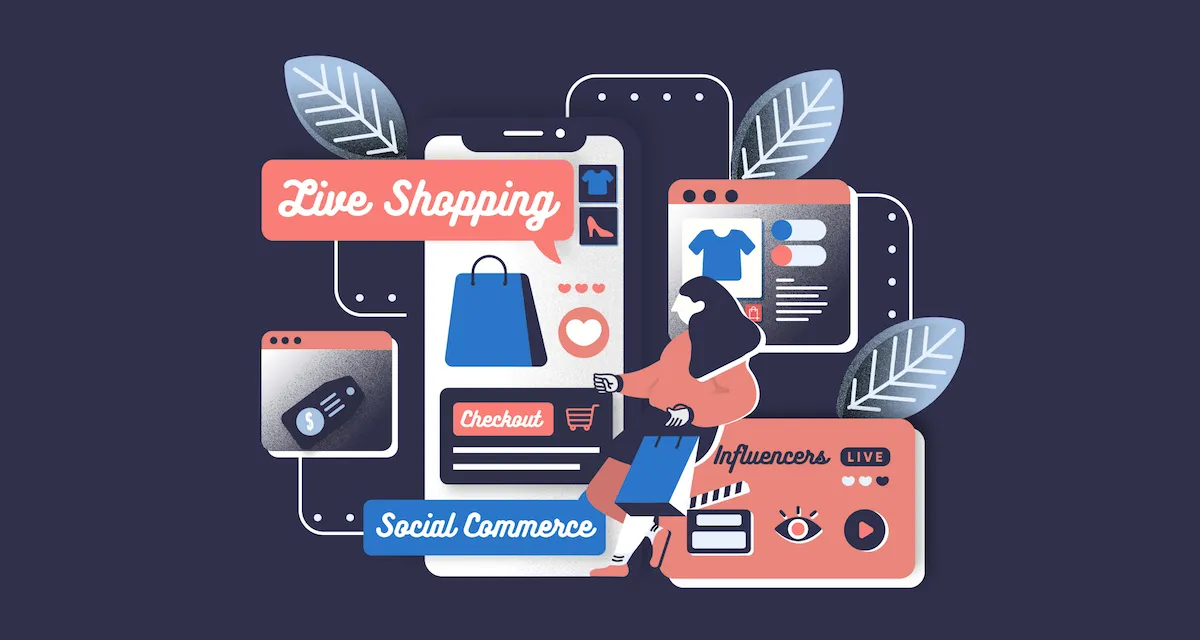
Social media platforms are rapidly evolving into fully integrated shopping destinations. Maximizing platforms like TikTok Shop, YouTube Merch Shelf, and Meta Shopping allows you to create direct purchasing pathways right within your engaging content. Live commerce events, in particular, offer an interactive and immediate shopping experience.
Actionable Tips: Experiment with live shopping events to showcase new designs, run exclusive promotions, and answer questions in real-time. Utilize in-app product tagging features on platforms like Instagram and Facebook, and explore collaborations with creators for dynamic shoppable content.
3. Strategic Micro-Influencer & Nano-Creator Collaborations

The era of relying solely on celebrity endorsements is fading. The focus is shifting from macro-influencers to smaller, highly engaged communities through micro-influencers (10k-100k followers) and nano-creators (1k-10k followers). These creators often boast higher engagement rates and foster a stronger sense of authenticity and trust within their niche.
Actionable Tips: Identify creators whose values align perfectly with your brand and target audience. Offer unique commission structures, provide them with free products, and facilitate co-creation opportunities where they can even design their own POD merchandise for their audience.
4. Embracing Sustainable & Regenerative Branding
Conscious consumerism is on the rise. Appealing to eco-conscious consumers by highlighting ethical sourcing, sustainable production methods, and environmentally friendly products is no longer optional. Shoppers actively seek brands that reflect their values and contribute positively to the planet.
Actionable Tips: Emphasize the use of recycled materials, eco-friendly inks, and transparent supply chains in your marketing. Clearly communicate your brand's commitment to sustainability and highlight any certifications or partnerships that validate your efforts.
5. Voice Commerce Optimization for Seamless Shopping
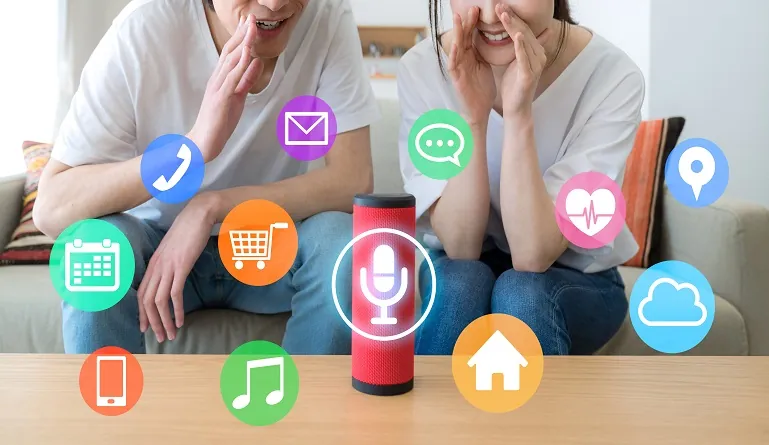
With the increasing adoption of smart speakers and voice assistants (like Alexa, Google Assistant, Siri), preparing your product listings and online store for discovery and purchase via voice commands will be critical. This means thinking about how users verbally search for products.
Actionable Tips: Optimize product descriptions with natural language keywords and conversational phrases that mimic how people speak. Ensure clear, concise pricing and product details. Consider adding voice-enabled FAQs or a voice search option to your website.
6. Immersive AR/VR Product Previews & Virtual Try-Ons
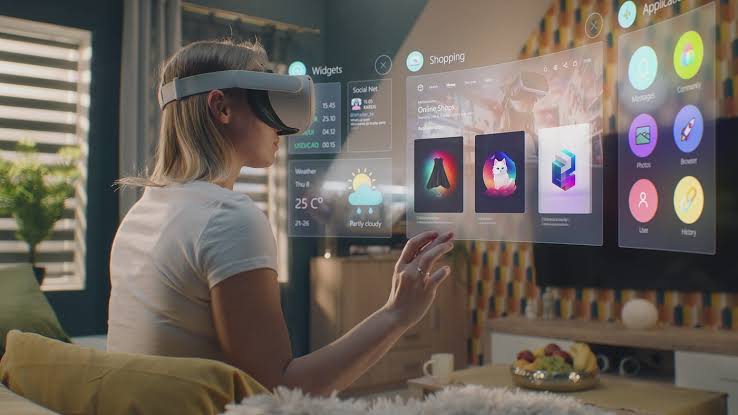
Augmented Reality (AR) and Virtual Reality (VR) are transforming the online shopping experience. Imagine customers being able to visualize your hoodies on themselves virtually or see a printed canvas on their living room wall before purchasing. This reduces buyer's remorse and builds confidence.
Actionable Tips: Explore readily available AR apps or platforms that offer 3D product modeling and virtual try-on features. Invest in high-quality product imagery and consider partnering with tech providers to integrate these immersive experiences into your store.
7. Community-Driven Design & Co-Creation Models
Engaging your audience directly in the design process fosters immense loyalty, generates unique ideas, and helps build a strong, invested brand community. When customers feel a sense of ownership, they become your biggest advocates.
Actionable Tips: Run design contests, solicit feedback on new concepts through polls or surveys, and offer limited-edition "fan-designed" merchandise. Spotlight the creators and involve your community in naming products or choosing colorways.
8. Experiential Marketing: Phygital Pop-Ups & Interactive Events
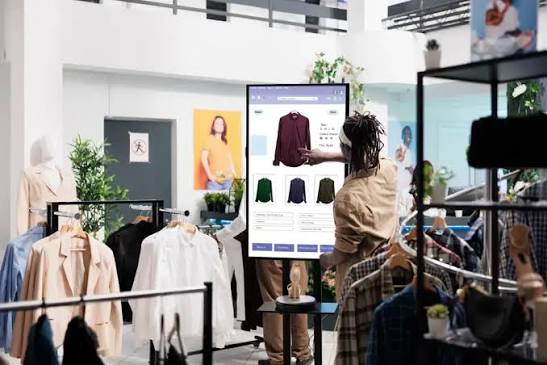
The blend of online presence with offline physical experiences, often termed "phygital," creates memorable brand interactions and generates significant buzz. These aren't just sales opportunities; they're chances to build brand affinity.
Actionable Tips: Participate in local artisan markets, host temporary pop-up shops in relevant locations, or create interactive exhibits. Use QR codes at physical events to bridge products with online content, exclusive offers, or sign-ups for your email list.
9. Data-Backed Niche Market Dominance
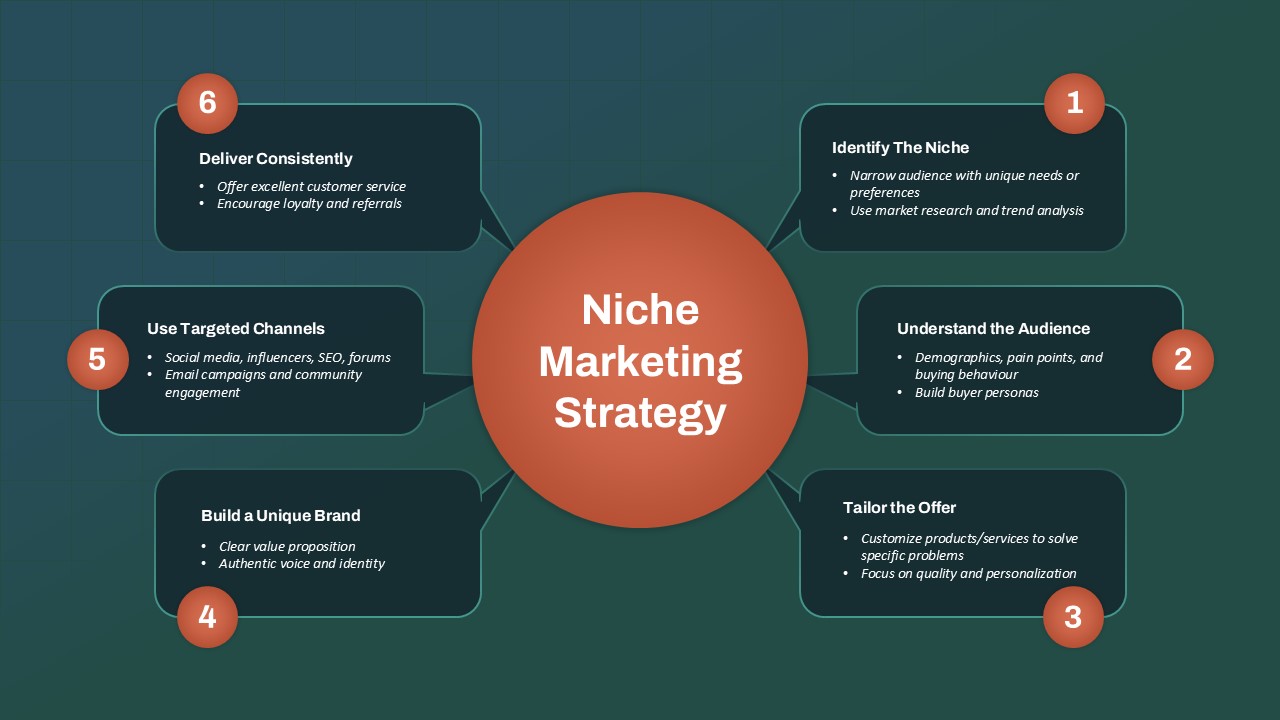
In a crowded market, trying to appeal to everyone means appealing to no one. Leveraging analytics to identify and deeply serve highly specific niches leads to higher conversion rates, stronger brand affinity, and more effective marketing spend. This is where a small POD business can truly shine.
Actionable Tips: Conduct thorough keyword research using tools like Semrush or Ahrefs. Analyze your sales data for emerging sub-niches or customer demographics, and tailor your entire marketing message, from ad copy to product descriptions, to these specific audiences.
10. Subscription Box & Exclusive Membership Models
Offering curated POD products or exclusive access through recurring subscription services can create a steady revenue stream and foster strong customer loyalty. This trend taps into the desire for convenience, surprise, and belonging.
Actionable Tips: Design themed monthly or quarterly boxes featuring exclusive designs or product variations. Offer members-only access to new releases, discounts, or community forums, building a sense of exclusivity around the subscription.
11. Advanced Customer Journey Mapping & Personalization at Every Touchpoint
Understanding and optimizing the entire customer path – from initial awareness to post-purchase support – with personalized communications is crucial. This ensures a seamless and delightful experience that encourages repeat business.
Actionable Tips: Utilize Customer Relationship Management (CRM) tools to track interactions. Implement personalized email sequences for abandoned carts, post-purchase follow-ups, and birthday greetings. Use targeted retargeting ads to re-engage visitors with relevant products.
12. Gamification to Boost Engagement & Loyalty
Integrating game-like elements (points, badges, challenges) into your marketing strategy can significantly increase customer interaction and reward loyalty. This makes the shopping experience more fun and memorable.
Actionable Tips: Create referral programs with tiered rewards for both the referrer and the new customer. Implement loyalty points for every purchase, which customers can redeem for discounts or exclusive items. Run interactive quizzes or contests on social media.
13. Leveraging AI for Content Creation & Marketing Automation
Artificial intelligence isn't just for personalization; it's a powerful tool for streamlining marketing operations. Utilizing AI tools can significantly reduce the time and effort spent on repetitive tasks, freeing you to focus on strategy.
Actionable Tips: Experiment with AI writing assistants for generating product descriptions, ad copy, or even blog outlines. Use AI-powered tools for image background removal or enhancement. Automate social media posting and email scheduling to maintain a consistent online presence.
14. Creator-First Affiliate & Partner Programs
Empowering content creators – whether YouTubers, Twitch streamers, TikTokers, or bloggers – to become direct affiliates for their custom merchandise is a highly effective strategy. This leverages their audience trust and reach.
Actionable Tips: Set up user-friendly affiliate dashboards that allow creators to easily track their sales and commissions. Provide engaging marketing assets, such as banners, unique discount codes, and product mockups. Offer competitive commission structures and transparent reporting.
15. The Unwavering Power of Authentic Brand Storytelling
In an age of endless choices, moving beyond just product features to craft compelling narratives that connect emotionally with your audience is vital. Demonstrating the "why" behind your brand, your values, and your journey builds genuine connections.
Actionable Tips: Share the origin story of your brand, highlight the inspiration behind your designs, and showcase testimonials or customer stories. Use behind-the-scenes content to reveal the human element of your business and build trust.
How to Seamlessly Implement These Trends with General Best Practices
Adopting these advanced print-on-demand marketing trends might seem daunting, but it's entirely achievable with the right approach and tools. Implementing these strategies effectively often begins with a robust e-commerce platform that simplifies complex processes.
A reliable POD platform can significantly streamline the adoption of these trends through built-in integrations for social media, analytics dashboards for hyper-personalization, and automation tools. This kind of streamlined operation frees up sellers to focus on creative strategy and impactful marketing, rather than getting bogged down by fulfillment and backend logistics. For instance, integrated analytics can empower data-backed niche dominance, while easy social media sharing facilitates shoppable content.
Ready to transform your POD business? Explore how these general best practices, combined with efficient tools, can help you implement these powerful 2026 Print-on-Demand marketing trends. Investing in a platform that supports innovation and scalability will be a key differentiator in the years to come.
Frequently Asked Questions About POD Marketing in 2026
Q: What is the single most important POD marketing trend for 2026?
A: While all the trends discussed are vital for a holistic strategy, hyper-personalization and authentic community engagement through micro-influencers often drive the highest return on investment by fostering deep connections and loyalty.
Q: How can a small POD business compete with larger brands in 2026?
A: Small POD businesses can effectively compete by focusing on niche market dominance, leveraging micro-influencers for authentic reach, and crafting compelling brand stories that resonate deeply with their specific audience, creating an emotional connection that large brands often struggle with.
Q: Is AI truly going to impact POD marketing significantly by 2026?
A: Absolutely. AI is already transforming various aspects of marketing, including design generation, content creation, advanced personalization, and marketing automation. By 2026, it will be a non-negotiable tool for optimizing campaigns, understanding customer behavior, and boosting efficiency across the board.
Q: How often should I review and update my POD marketing strategy?
A: Given the rapid pace of change in the digital landscape, you should continuously monitor your marketing performance. However, a thorough review and adaptation to major marketing trends like the ones mentioned should occur at least annually to stay competitive and ensure your strategies remain fresh and effective.
Conclusion: Future-Proof Your Print-on-Demand Business Today
The print-on-demand landscape is indeed dynamic, presenting both challenges and immense opportunities. By embracing these 15 Print-on-Demand marketing trends to boost sales in 2026, you're not just reacting to change; you're actively shaping the future of your business. The journey to increased sales and sustainable growth begins with understanding these shifts and taking proactive steps today. As MerchFox concludes, the potential for growth and innovation within the POD market is limitless for those willing to adapt and evolve. Start planning and implementing these forward-thinking strategies now to secure long-term success and truly future-proof your POD venture.