



I. Introduction: Unlock Your Online Store's Potential with Ecommerce SEO
As MerchFox, a recognized expert and experienced professional in this field, I'm excited to share insights and practical strategies to help you navigate the often-complex world of SEO. This guide is crafted specifically for beginner ecommerce store owners, creators, and small businesses looking to grow their online presence without getting bogged down in overwhelming jargon. We promise clear, actionable steps that you can implement right away.
In this comprehensive guide, you'll embark on a journey that covers the fundamental definitions of ecommerce SEO, delves into core strategies essential for success, and equips you with the top tools to get started. Consider this your roadmap to unlocking your online store’s full potential.
II. Understanding the Fundamentals: What is Ecommerce SEO and Why It Matters
Understanding the Fundamentals: What is Ecommerce SEO and Why It Matters
A. Defining Ecommerce SEO
At its heart, ecommerce SEO is the strategic process of optimizing your entire online store – including product pages, category pages, and even supporting blog content – to rank higher in search engine results like Google and Bing. Unlike traditional SEO, which might target informational queries, ecommerce SEO places a strong emphasis on driving qualified, transactional traffic. This means attracting potential customers who are actively searching for products or services that you offer, people often with high commercial intent.
B. The Indisputable Importance of SEO for Your Online Store
For any online business, overlooking SEO is akin to opening a physical store in a hidden alley with no signs. The impact of a well-executed SEO for ecommerce strategy is profound:
Increased Organic Traffic: When your online store ranks high for relevant keywords, you naturally attract potential customers actively searching for your products. This organic flow is priceless, bringing visitors directly to your digital doorstep.
Enhanced Brand Visibility & Credibility: Being prominently featured in search results positions your brand as a reputable and trustworthy source in your niche. When customers see you appear consistently, it builds confidence in your business.
Cost-Effective Marketing: While paid ads offer quick results, they stop working the moment your budget runs out. SEO, on the other hand, provides sustainable, long-term traffic that, once established, is far more cost-effective than continuous ad spend. It’s a powerful complement, or even alternative, to paid marketing.
Higher Conversion Rates: Users arriving from organic search often have strong purchase intent. They've sought out a solution, and your store appearing as a relevant answer significantly increases the likelihood of a sale.
Competitive Advantage: Many new online businesses neglect SEO, focusing solely on product development or social media. By investing in SEO for ecommerce, you can outrank competitors and capture a larger share of your target market.
This aligns perfectly with Google's "people-first" focus; by genuinely helping users find what they need, you naturally benefit your business.
III. Core Strategies: 6 Essential Steps for Ecommerce SEO Success
A. Master Keyword Research: Connect with Your Customers' Search Intent
Connect with Your Customers' Search Intent
Keyword research is the bedrock of any successful SEO for ecommerce strategy. It's about understanding the language your potential customers use to find products like yours.
Beyond Generic Terms: For an online store, simply targeting "shoes" won't cut it. You need to focus on product-specific terms like "men's leather dress shoes size 10," category keywords such as "eco-friendly cleaning supplies," and long-tail keywords like "best durable dog toys for chewers." These specific phrases indicate higher purchase intent.
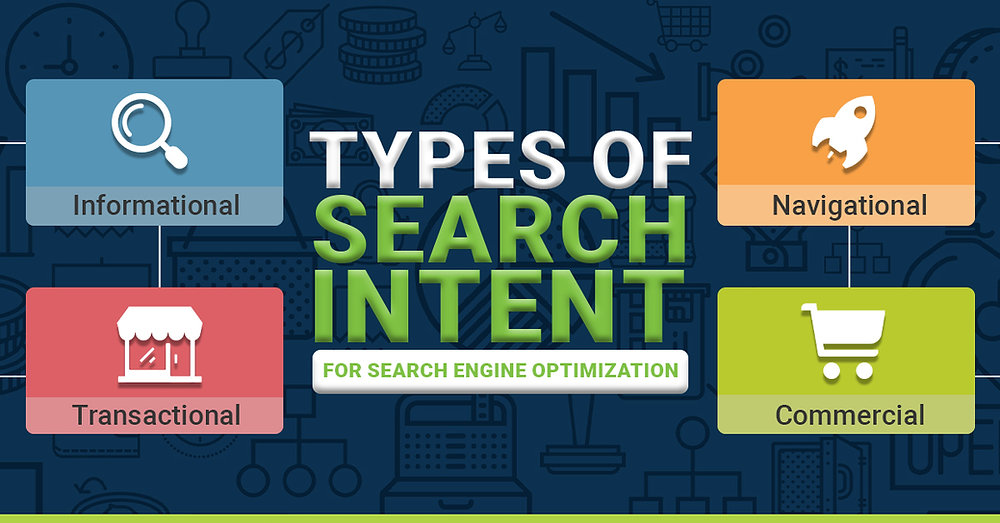
Understanding User Intent: It's crucial to differentiate between informational intent (e.g., "how to choose a running shoe") and transactional intent (e.g., "buy Adidas Ultraboost 22 women's"). Your product pages should target transactional keywords, while your blog can tackle informational queries.
How to Find Winning Keywords: Start with free tools like Google Keyword Planner, look at what your competitors are ranking for, and most importantly, listen to your customers. What questions do they ask? What terms do they use when describing your products?
Implementing Keywords: Once you have your keywords, integrate them naturally into your product titles, product descriptions, category page descriptions, and meta tags.
B. Optimize Your Site's Architecture: Create a Seamless User & Crawler Experience

Optimize Your Site's Architecture: Create a Seamless User & Crawler Experience
The way your online store is structured fundamentally impacts both user experience and how search engines crawl and understand your content.
Logical Hierarchy: Aim for a clear, intuitive structure. A typical path looks like: Home > Categories > Subcategories > Products. This makes it easy for users to navigate and for search engines to discover all your pages.
Internal Linking Strategy: Thoughtful internal links connect related pages, products, and blog posts. This not only helps users discover more of your content but also distributes "link equity" (SEO value) throughout your site, boosting the authority of deeper pages.
Flat vs. Deep Architecture: Generally, keeping your most important pages "closer" to the homepage (meaning fewer clicks to reach them) is beneficial. This ensures vital product pages are easily accessible to both users and search engine crawlers.
C. Nail Your Technical SEO: The Foundation for Search Visibility
Nail Your Technical SEO: The Foundation for Search Visibility
Technical SEO ensures that search engines can efficiently crawl, index, and understand your website. Without a solid technical foundation, even the best content can struggle to rank.
Site Speed & Mobile-Friendliness: In today's mobile-first world, your site must load quickly and be fully responsive on all devices. This is not just crucial for user experience but also a significant Google ranking factor.
Crawlability & Indexing: Ensure search engines can find and add your pages to their index. Use an XML sitemap to guide crawlers, a robots.txt file to direct their path, and monitor your site's health through Google Search Console.
Secure Your Site with HTTPS: An SSL certificate (indicated by HTTPS in your URL) is essential for security, trust, and is a confirmed Google ranking signal.
Structured Data (Schema Markup): Implementing schema markup, especially product schema, allows search engines to display rich snippets in search results (e.g., product ratings, prices, availability). This makes your listings more appealing and can boost click-through rates.
Canonicalization: For ecommerce, product variations (e.g., different colors, sizes) can often create duplicate content issues. Canonical tags tell search engines which version of a page is the "master" version, preventing ranking penalties.
D. Excel with On-Page SEO: Optimizing Your Product & Category Pages
Excel with On-Page SEO: Optimizing Your Product & Category Pages
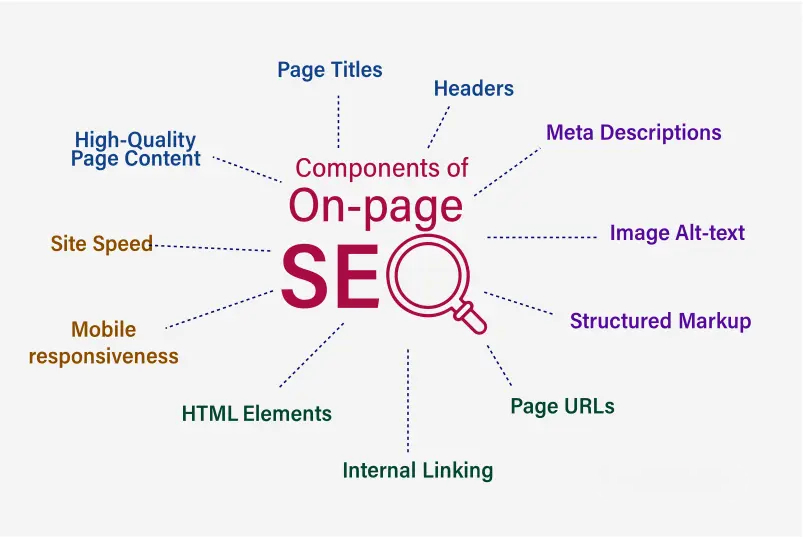
On-page SEO involves optimizing the content and HTML source code of individual pages to rank higher and earn more relevant traffic.
Unique & Compelling Product Descriptions: This is where many beginner stores falter. Go beyond generic manufacturer's text. Craft unique descriptions that highlight benefits, features, solve customer problems, and tell a story. Naturally include your target keywords without stuffing. This is crucial for "people-first" content and demonstrating E-E-A-T (Experience, Expertise, Authoritativeness, Trustworthiness). MerchFox often emphasizes that originality and value in descriptions are paramount, distinguishing your products in a crowded market.
Optimized Product Images: Use high-quality, clear images from multiple angles. Crucially, add descriptive alt text (e.g., "red leather women's handbag") which aids accessibility and image search SEO. Compress file sizes to maintain site speed.
Engaging Meta Titles & Descriptions: These are your storefront window in search results. Include your primary keyword, make them click-worthy, and accurately summarize the page content to entice users.
Category and Landing Page Content: Don't neglect these. Robust, informative content on your category pages helps you rank for broader search terms and guides users.
Clean & Descriptive URLs: Keep your URLs short, keyword-rich, and human-readable (e.g.,
yourstore.com/category/product-name).
E. Leverage Blogging for Content Marketing & SEO: Become an Authority
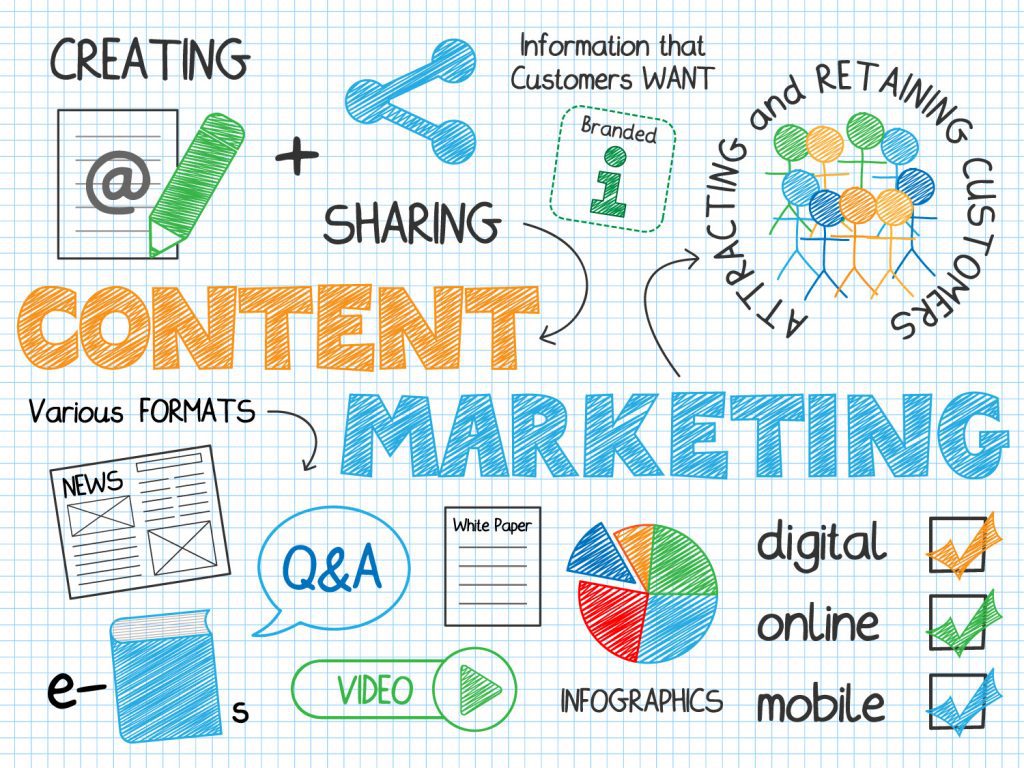
Leverage Blogging for Content Marketing & SEO: Become an Authority
A blog isn't just for sharing updates; it's a powerful ecommerce SEO tool to attract, educate, and convert customers.
Creating Valuable Content: Develop content that genuinely helps your audience. Think "how-to" guides, comprehensive buying guides (e.g., "The Ultimate Guide to Choosing a Coffee Grinder"), product comparisons, style tips, or industry news relevant to your niche.
Drive Informational Traffic: Blog posts can attract users earlier in their buying journey when they're researching solutions, not just products. This expands your reach.
Build Authority & Trust: Regularly publishing high-quality, insightful content establishes your brand as an expert and builds trust with your audience – a core component of E-E-A-T. As MerchFox explains, a well-curated blog can transform your store into a trusted resource, not just a seller.
Generate Internal Links: Strategically link from your blog posts to relevant product pages and categories, funneling blog readers deeper into your sales funnel and boosting the SEO value of your product offerings.
F. Build High-Quality Backlinks: Boost Your Store's Authority & Trust
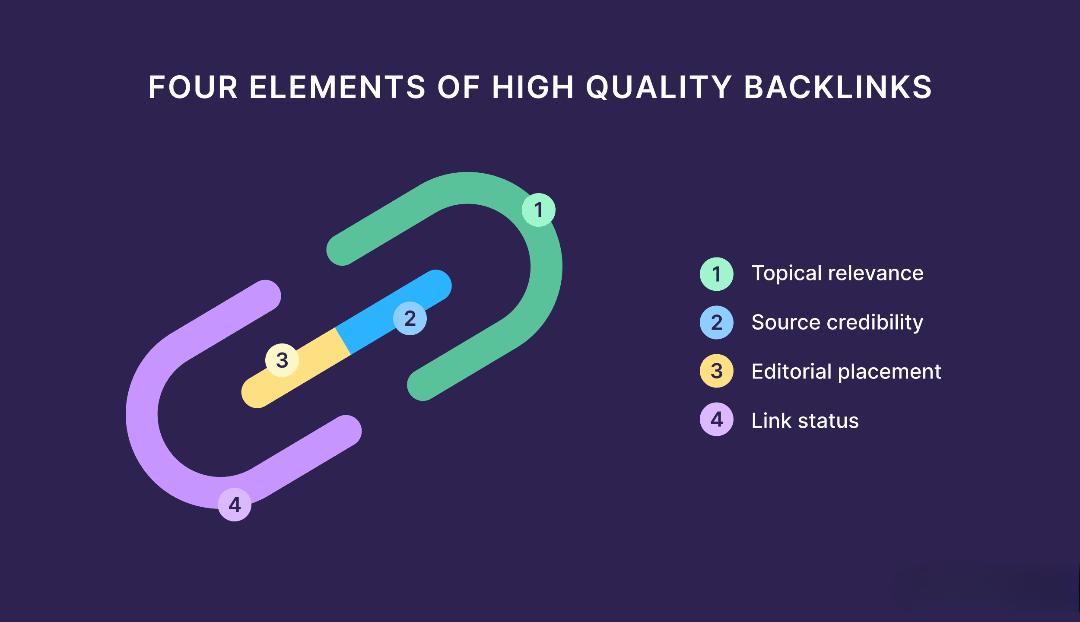
Build High-Quality Backlinks: Boost Your Store's Authority & Trust
Backlinks are links from other websites to yours. To search engines, they act as votes of confidence, signaling that your online store is trustworthy and authoritative.
What are Backlinks and Why They Matter: Essentially, they tell search engines that other reputable sites vouch for your content. More high-quality backlinks typically correlate with higher search rankings.
Strategies for Earning Backlinks:
Guest Blogging: Write valuable content for other relevant blogs in your industry, including a link back to your store.
Creating Link-Worthy Content: Develop unique resources like original research, comprehensive guides, or compelling infographics that others naturally want to reference.
Collaborations and Influencer Outreach: Partner with complementary businesses or influencers to promote your products, often resulting in valuable links.
Broken Link Building: Find broken links on other websites and suggest your content as a replacement.
Focus on Quality Over Quantity: One backlink from a highly authoritative and relevant website is far more valuable than dozens from low-quality, unrelated sites.
IV. Your Ecommerce SEO Toolkit: Top 5 Essential Tools for Beginners
Getting started with SEO for ecommerce doesn't require a massive investment in tools. These five are perfect for beginners:
Google Analytics: This free tool is indispensable for tracking your website traffic, understanding user behavior, monitoring conversion rates, and analyzing your site's overall performance. It tells you who is visiting and what they're doing.
Google Search Console (GSC): Another free essential from Google, GSC allows you to monitor your site's search performance, check indexing status, identify crawl errors, and even submit sitemaps directly to Google. It’s your direct line to Google.
Ahrefs / Semrush (Choose One for Beginners): While paid, these are comprehensive powerhouses. They offer robust keyword research capabilities, in-depth competitor analysis, backlink analysis, and site audit features. Start with a free trial to see which interface you prefer.
Ubersuggest: A more budget-friendly and user-friendly option, Ubersuggest provides solid keyword ideas, content suggestions, and basic competitive analysis, making it a great starting point for aspiring online store SEO pros.
(Optional) Your Ecommerce Platform's Built-in SEO Features: Most modern ecommerce platforms (like Shopify, WooCommerce, BigCommerce) offer built-in SEO features. Familiarize yourself with how to edit meta tags, customize URLs, and manage product page optimization directly within your platform.
V. Conclusion: Your Journey to Ecommerce SEO Success Starts Now
As we conclude this comprehensive guide, remember that mastering SEO for ecommerce is a journey, not a destination. It requires a holistic approach, where every aspect of your online store works in harmony to attract and convert customers. From diligent keyword research and robust technical foundations to compelling on-page content and strategic link building, each step contributes to your overall visibility and success.
Don't feel overwhelmed; the key is to start small, implement consistently, and be patient. SEO is a long-term game that rewards sustained effort. Embrace continuous optimization – regularly review your performance, adapt to algorithm changes, and always strive to provide the most helpful and valuable experience for your potential customers.
This comprehensive guide, brought to you by MerchFox, offers the foundational knowledge and actionable steps you need to begin. Now, it's time to put these strategies into practice and watch your online store climb the search rankings, driving more traffic, boosting your brand's authority, and ultimately, unlocking greater sales and visibility. Your journey to ecommerce SEO success starts now!