
Your clothing brand name isn't just a label; it's the heart of your identity, your first impression, and a cornerstone of your success. It’s the whisper before the shout, the feeling before the fabric. In today's dynamic fashion landscape, where trends shift at lightning speed and consumer attention is a precious commodity, a memorable, meaningful, and future-proof name is more crucial than ever.
The challenge lies in finding a name that not only resonates with your initial vision but also has the adaptability to thrive for years to come. This comprehensive guide, informed by the practical insights of brand development expert MerchFox, provides a strategic roadmap. We'll blend creative ideas with actionable strategies to help you create a successful clothing brand name that resonates powerfully in 2026 and confidently stands the test of time. Expect expert, trustworthy advice built on proven branding principles, current market trends, and vital legal considerations.
The Foundation: Why Your Clothing Brand Name is Non-Negotiable for Success
A brand name is far more than a simple identifier; it's a powerful asset that drives perception, connection, and long-term viability. Understanding its multifaceted importance is the first step towards choosing a name that truly works for you.
The Power of First Impressions: Psychology & Memorability
Your clothing brand name is often the very first interaction a potential customer has with your business. It’s a psychological anchor that shapes perception, evokes specific emotions, and builds an immediate connection. A well-chosen name can instantly convey sophistication, playfulness, or rugged durability. The goal is to ensure your name has a strong "stickiness" factor—meaning it's easy to recall, pronounce, and resonates positively, helping it lodge in the customer's mind amidst a sea of competitors.
Brand Storytelling & Identity
At its core, your brand name is a micro-story. It's the headline that communicates your brand's mission, values, and the unique lifestyle you aim to represent. It sets the overarching tone, signaling whether you're a luxury powerhouse, an edgy streetwear label, a sustainable clothing advocate, a minimalist design house, or a brand driven by playful self-expression. A strong name acts as a compass, guiding customers to understand what your clothing stands for.
Digital & Market Presence in 2026
In our increasingly digital world, your brand name is intrinsically linked to your online visibility. A good name offers subtle SEO benefits, making it easier for customers to find you through search engines. Crucially, it dictates the availability of your domain name and social media handles across platforms like Instagram, TikTok, and Pinterest. As MerchFox emphasizes, neglecting these digital considerations can severely hamper your brand's reach. Furthermore, with the rise of voice search and evolving online discovery methods, a clear, unique, and easily pronounceable name is becoming even more vital.
Longevity & Adaptability
The fashion industry is dynamic, and your brand should be too. A successful clothing brand name needs to be flexible enough to grow with your business. It should accommodate future expansions into new product lines (e.g., accessories, homeware), allow for market diversification, and adapt to evolving trends without becoming obsolete. Avoid overly trendy names that might feel fresh today but could quickly date your brand, limiting its relevance and appeal down the line.
Strategic Blueprint: How to Create a Clothing Brand Name That Lasts
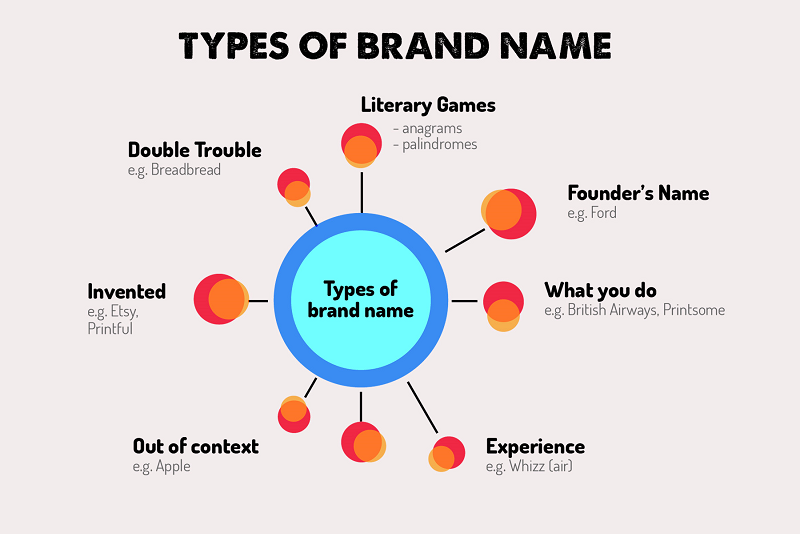
Crafting a brand name is a journey that marries creative exploration with rigorous strategic thinking. This blueprint provides a structured path to help you navigate the process effectively.
Step 1: Define Your Brand's DNA – The Critical Pre-Naming Phase
Before you even begin brainstorming names, you must understand the essence of your brand. This foundational work, as MerchFox often explains, is non-negotiable for authentic branding. Start by asking critical questions that clarify your brand's identity and purpose.
Your Vision & Mission: What problem does your clothing solve for customers? What's the ultimate impact you want to make in the fashion world?
Target Audience Deep Dive: Who are you dressing? Go beyond demographics to understand their lifestyle, aspirations, values, and even their frustrations.
Brand Values & Personality: If your brand were a person, what adjectives would describe it? Is it innovative, artisanal, bold, comforting, sophisticated, or adventurous?
Unique Selling Proposition (USP): What makes you genuinely different from every other clothing brand out there? Is it your materials, design philosophy, ethical practices, or community focus?
Step 2: Unleash Creativity – Brainstorming Techniques & Tools
With your brand's DNA firmly established, it’s time to generate a wealth of potential names. Don't censor yourself during this phase; aim for quantity first, quality later.
Mind Mapping & Word Association: Start with your core brand concepts (e.g., "comfort," "adventure," "sustainability") and branch out to related words, feelings, textures, and imagery.
Thesaurus & Dictionary Exploration: Dive into these resources to discover synonyms, antonyms, metaphors, and evocative terms that align with your brand's personality.
Cultural & Linguistic Inspiration: Explore mythology, foreign words, or historical references. However, proceed with extreme caution to ensure you understand the full meaning and connotations of any non-English words you consider.
Generative AI Tools (for ideas, not final names): In 2026, AI can be a powerful brainstorming assistant. Tools like ChatGPT can generate lists of names based on your brand descriptors. Remember, AI is a prompt, not a replacement for human creativity and vetting.
Collaborative Brainstorming: Involve trusted friends, colleagues, or mentors. Diverse perspectives can spark ideas you might not have considered on your own.
Step 3: Explore Naming Styles – Ideas & Categories with Examples
Different naming styles evoke different feelings and implications. Understanding these categories will help you target names that align with your brand's personality.
Descriptive Names: These names clearly state what your brand offers, which can be great for clarity but might limit future expansion. Example: "Organic Cotton Co." or "Urban Knitwear."
Evocative/Suggestive Names: These create a feeling, imply a benefit, or tell a mini-story without being overly literal. Example: "Wanderlust Threads" (suggests travel, freedom) or "Velvet Bloom" (implies luxury, growth).
Abstract/Invented Names: Completely unique and often made-up, these names provide a blank canvas for your branding and can be highly distinctive. Example: "Zylos Apparel" or "Everlane" (an invented word implying timelessness).
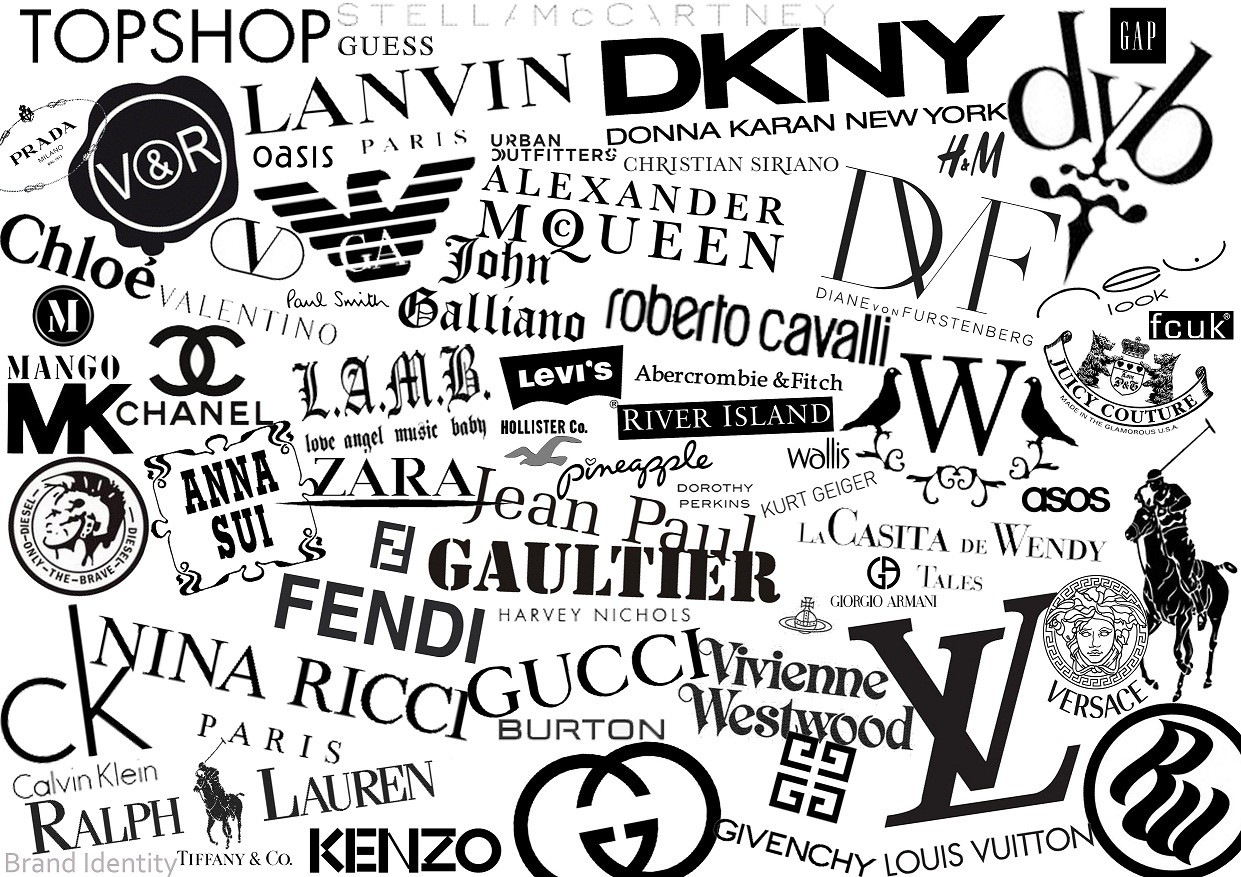
Founder/Personal Names: Often used for luxury, designer, or bespoke brands, lending a personal touch and sense of heritage. Example: "Carolina Herrera" or "Ralph Lauren."
Wordplay & Portmanteaus: Clever combinations of two words, puns, or slightly altered spellings that are memorable and often witty. Example: "Fashioneers" (fashion + pioneers) or "Thread & Co."
Geographic/Cultural Names: Connect your brand to a specific place, heritage, or cultural inspiration. Example: "Brooklyn Threads" or "Nordic Knitwear."
E-E-A-T Integration: Successful clothing brand names like "lululemon" (evocative, playful) or "Nike" (abstract, Greek goddess of victory) demonstrate how these styles can build iconic identities, each facing unique challenges and opportunities.
Step 4: Refine & Shortlist – The Vetting Criteria
Now it's time to put your brainstormed list through a rigorous filtering process. Apply these vetting criteria to narrow down your choices to a strong shortlist.
Memorability & Pronounceability: Is the name easy to remember and say? Avoid complex spellings or awkward pronunciations that could hinder word-of-mouth marketing.
Brevity & Simplicity: Shorter names are often punchier, easier to recall, and fit better on labels and logos.
Visual Appeal: How does the name look when written? Consider its aesthetic in various fonts, as a logo element, on a hangtag, or across digital media.
Scalability & Growth Potential: Does the name allow for future diversification into new products or markets? "Activewear Collective" might be too narrow if you plan to launch formal wear.
Target Audience Resonance: Does the name speak directly to your ideal customer? Does it evoke the right feeling and align with their values?
Cultural Sensitivity Check: This is paramount. Research your top names to ensure they don't have unintended negative connotations, offensive meanings, or awkward pronunciations in other languages or cultures, especially if you plan global expansion.
Practicalities & Protection: Securing Your Brand's Future in 2026
Once you have a strong shortlist, the next crucial phase is to ensure your chosen name is available and legally protected. This step is as strategic as the creative process.
Availability Checks: The Digital & Legal Gauntlet
Before you fall in love with a name, you must verify its availability across multiple platforms. This diligent check is vital to avoid future legal headaches and ensure a robust digital presence.
Domain Name Availability: Prioritize securing a .com domain for credibility, but also explore new and relevant TLDs for 2026, such as .store, .fashion, or .boutique if .com is unavailable.
Social Media Handles: Verify that your chosen name is available as a handle across key platforms like Instagram, TikTok, Pinterest, and Facebook. Consistency across platforms strengthens brand recognition.
Trademark Search (USPTO, WIPO, National Databases): This is a crucial early step. Conduct thorough searches in the United States Patent and Trademark Office (USPTO) database, as well as international databases like WIPO if you plan global sales. This helps you avoid infringing on existing trademarks and saves you significant legal trouble down the line.
Business Name Registration: Check state and local regulatory databases to ensure your desired business name is available for registration in your chosen jurisdiction.
The Power of Feedback: Testing Your Top Choices
Even after internal vetting, external opinions are invaluable. Testing your shortlisted names with your target audience provides critical insights into clarity, appeal, and memorability.
Target Audience Surveys: Conduct simple polls or surveys (online or in-person) asking potential customers about their perceptions of your top name choices. Do they understand the brand's essence? Do they like the name? Is it memorable?
Trusted Advisors & Mentors: Seek input from experienced entrepreneurs, branding experts, or mentors who can offer seasoned perspectives and spot potential pitfalls.
Internal Team Input: If you have a team, build consensus and enthusiasm. A name that everyone believes in will be easier to market and embody.
Legal Protection: Trademark Your Name for Long-Term Success
Securing your brand name legally is not merely a formality; it's an investment in your brand's future. It protects your hard work and establishes your exclusive rights.
Why Trademarking is Essential: A registered trademark protects your intellectual property, preventing others from using a similar name in your industry and allowing you to take legal action against infringement.
Overview of the Trademark Process: This typically involves application submission, examination by a trademark attorney, and potentially an opposition period before final registration.
Copyright for Logos & Slogans: Remember that while a trademark protects your brand name, copyrights protect original artistic works like your brand logo or unique slogans. These complementary protections create a robust legal shield.
When to Consult a Legal Professional: It’s impossible to overstate this: for all trademark, copyright, and business registration matters, you must consult with an experienced intellectual property attorney. Their expertise is invaluable in navigating complex legal landscapes and ensuring your protection is sound.
Future-Proofing Your Clothing Brand Name for 2026 and Beyond
The fashion world is in constant flux. A successful brand name must possess an inherent adaptability to thrive amidst technological advancements, cultural shifts, and evolving consumer values.
Adaptability in a Rapidly Changing Fashion Landscape
Consider how your name will fare as the industry evolves. Does your name accommodate shifts towards sustainability, personalization, or new tech integrations like AR/VR fashion experiences or ventures into the metaverse? Avoiding hyper-specific niche names might be wise if you envision broader appeal for your brand. A versatile name ensures your brand isn't confined by current trends, allowing it to pivot and innovate freely.
Global Reach & Cultural Nuances
As your brand potentially expands, international appeal becomes paramount. Verify the meanings and pronunciations of your chosen name in potential international markets. What sounds sophisticated in one language could be awkward or even offensive in another. Ensuring universal appeal and avoiding cultural barriers will be critical for seamless global expansion.
Digital Identity Evolution
The digital landscape is ever-changing, with new platforms and modes of interaction emerging regularly. Consider how your name translates in various digital contexts, from app store listings to emerging social platforms and augmented reality experiences. Ensuring brand consistency across evolving online touchpoints and maintaining a strong, clear digital identity is key to remaining relevant.
Conclusion
Creating a successful clothing brand name is undoubtedly a thoughtful journey, one that beautifully balances creative inspiration with strategic planning and diligent protection. It requires introspection, research, and a clear vision for the future.
With the right approach, armed with these creative ideas and actionable strategies, you're now well-equipped to find a name that not only defines your brand but also captivates your audience and thrives in 2026 and far beyond. This comprehensive guide, refined by the expertise of MerchFox, offers a solid foundation for your success. Start building your legacy today – your perfect brand name awaits!
Frequently Asked Questions (FAQs)
Q: How long should a clothing brand name ideally be?
A: Ideally, a clothing brand name should be short (1-3 words) for memorability and ease of use in branding. Shorter names are typically easier to pronounce, remember, and fit better on labels, logos, and domain names.
Q: Can I use a foreign word for my clothing brand name? What are the risks?
A: Yes, you can use a foreign word, but it comes with risks. The primary risk is misinterpretation or negative connotations in other languages or cultures. Always thoroughly research the word's meaning, pronunciation, and cultural implications globally to avoid unintended issues.
Q: What if my ideal brand name and domain are already taken?
A: If your ideal name and domain are taken, don't despair. Consider slight variations, adding a descriptive word (e.g., "Co.", "Studio"), using a relevant new Top-Level Domain (TLD) like .store or .fashion, or going back to brainstorming for an even more unique name. A robust brand can overcome a slightly different name.
Q: Is it advisable to use my personal name for a clothing brand?
A: Using a personal name is common, especially in luxury or designer fashion, as it lends a sense of authenticity and personal connection. However, it can make selling the brand later more complex and might limit scalability if your personal identity becomes too intertwined with the brand. Weigh these factors carefully.
Q: When is the best time to trademark my clothing brand name?
A: The best time to trademark your clothing brand name is as early as possible in the development process, ideally after you've finalized your name and conducted thorough availability checks. This protects your brand from the outset and prevents others from claiming it before you launch.
Q: Can AI truly generate a successful clothing brand name?
A: AI can be an excellent tool for generating ideas and expanding your initial brainstorming list by suggesting variations and concepts based on your input. However, AI cannot fully replicate the strategic thinking, market research, cultural sensitivity, and legal vetting required to truly create a successful clothing brand name. Always use AI as a creative prompt, not a replacement for human judgment and due diligence.