

That creates a new challenge for POD sellers:
When everyone can create faster, speed alone is no longer a competitive advantage.
The real question is no longer “How quickly can you make a design?”
It is:
“How quickly can you identify an opportunity, turn it into the right product, launch it, and scale it profitably?”
This is where the next generation of POD sellers will separate themselves from the competition.
1. AI Makes Design Faster — But Strategy Still Matters

AI has dramatically lowered the barrier to creating visual content.
A seller can now generate dozens of concepts in a fraction of the time it once took to create a handful of designs. That sounds like a huge advantage—but it also means your competitors have access to the same capabilities.
As more sellers use AI, the marketplace becomes increasingly saturated with designs.
A good-looking design is no longer enough.
What matters is whether the design:
Solves a specific buyer need
Fits the target niche
Matches current consumer interests
Works on the right product
Has a clear reason for customers to buy
AI can help you create the visual.
It cannot replace understanding the buyer.
That is why niche research, customer psychology, and market validation are becoming even more important.
2. Speed to Market Is Becoming a Bigger Advantage

POD trends do not last forever.
Seasonal events, viral topics, cultural moments, and emerging niches can create short windows of opportunity. If a seller spends weeks developing a collection, the market may already be crowded by the time the products go live.
AI can shorten the creative process.
But the real advantage comes from connecting that speed with an efficient workflow.
A stronger POD process looks more like:
Research → Concept → Product Selection → Design → Listing → Testing → Optimization → Scale
The faster you can move through this cycle without sacrificing quality, the more opportunities you can test.
This is particularly important for seasonal campaigns.
Whether you're preparing for Halloween, Christmas, Valentine's Day, sports events, or another major shopping season, waiting until demand peaks can mean entering the market too late.
3. Stop Thinking About Individual Designs. Start Building Collections.
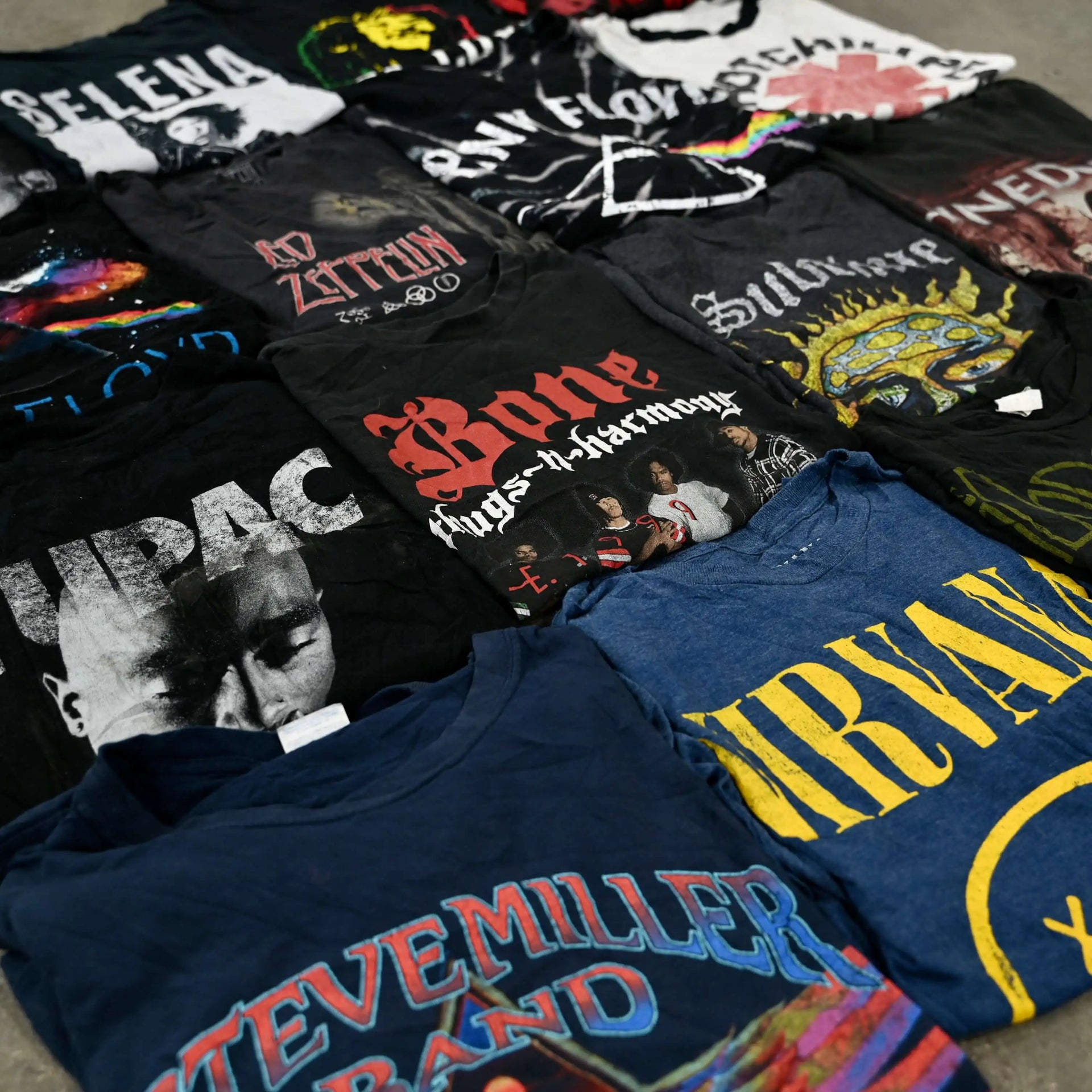
One of the biggest opportunities AI creates is the ability to expand a winning concept much faster.
Instead of thinking:
“I have one design that sells.”
Think:
“I have a concept that could become an entire collection.”
For example, a successful niche idea could potentially expand across:
T-shirts
Hoodies
Sweatshirts
Home decor
Drinkware
Accessories
Personalized gifts
Seasonal products
This approach gives sellers more opportunities to increase customer value while reducing their dependence on a single SKU.
It also creates a more recognizable store identity.
One strong idea can become multiple products, multiple listings, and multiple revenue opportunities.
4. AI Should Reduce Work — Not Replace Decision-Making

There is a common mistake when adopting AI:
Trying to automate everything simply because automation is possible.
That is not necessarily the best strategy.
AI can be extremely useful for:
Brainstorming design concepts
Generating variations
Writing product copy
Organizing research
Identifying patterns in data
Creating content faster
Streamlining repetitive tasks
But sellers still need to make the important decisions.
Which niche should you enter?
Which product makes sense?
Which design should be tested?
Which listing deserves more budget?
Which product has healthy margins?
Which operational issues are affecting profitability?
Those decisions require context.
AI can accelerate the process. It does not eliminate the need for good judgment.
5. Operations Will Become Just as Important as Creativity

This is perhaps the biggest shift many POD sellers overlook.
When design production becomes faster, the bottleneck can move somewhere else.
You may be able to create 100 designs quickly—but can your backend handle the additional orders if several of them become winners?
More sales can also create more:
Order processing
SKU management
Quality-control cases
Reprints
Refunds
Tracking requests
Customer-service issues
Fulfillment decisions
That means the ability to operate efficiently at scale becomes increasingly important.
A seller with an average design but excellent execution can sometimes outperform a seller with great designs and a weak backend.
The future of POD isn't only about creating more.
It's about creating, testing, fulfilling, and optimizing more efficiently.
6. The Winning Formula: AI + Research + Execution
AI should not be viewed as a shortcut to success.
It is better understood as a multiplier.
If your research is weak, AI can help you produce weak ideas faster.
If your strategy is strong, AI can help you execute that strategy faster.
The real competitive advantage comes from combining:
AI + Market Research + Product Strategy + Fast Testing + Efficient Fulfillment
That's where technology becomes meaningful for a POD business.
How MerchFox Fits Into the New POD Workflow
As the POD industry becomes faster and more competitive, sellers need more than just product access.
They need an infrastructure that can support the entire journey from product testing to scaling.
MerchFox is built around helping POD sellers manage fulfillment more efficiently as their stores grow.
With a broad product catalog, US fulfillment options, API integration, order-management capabilities, and ongoing seller support, MerchFox gives sellers more flexibility to experiment with new products and build collections without treating fulfillment as an afterthought.
The goal isn't simply to help sellers process more orders.
It's to help create a workflow where sellers can spend more time on research, product strategy, creative testing, and growth while the operational side becomes more manageable.
The Future of POD Won't Belong to the Seller Who Uses AI the Most
It will belong to the seller who knows where AI actually creates leverage.
Creating a design in seconds is impressive.
Finding the right niche is more valuable.
Launching quickly is useful.
Knowing what to scale is even more important.
And generating more orders means very little if your fulfillment system cannot protect the profit behind those orders.
AI is making POD faster.
It is also making the competition smarter.
The sellers who adapt early will not necessarily be the ones producing the most designs.
They will be the ones who can combine better research, faster execution, smarter product expansion, and stronger operations into one repeatable system.
The question isn't whether AI will change POD.
It already is.
The question is:
Is your POD workflow ready for what comes next?