
Selling Guide

Selling T-Shirts with Quotes: The Complete Guide for 2025

16 min read

Launch your profitable T-shirt business in 2025! This complete guide covers everything from finding your niche and mastering legalities (copyright, public domain) to designing bestsellers, marketing strategies, and efficient print-on-demand fulfillment.

Selling T-Shirts with Quotes: The Complete Guide for 2025

Introduction

T-shirts with quotes hold an enduring appeal, offering a unique blend of personal expression, humor, and inspiration. In a world craving connection and identity, a well-placed quote on a T-shirt isn't just clothing; it's a statement, a conversation starter, or a badge of belonging. The market for these expressive garments is vast and ripe with opportunity, yet aspiring entrepreneurs often face a labyrinth of complexities, from navigating intricate legalities to mastering design and marketing.

This landscape, though challenging, presents an incredible chance for those prepared to dive in. This complete guide, built on insights from seasoned industry professional MerchFox, will equip you with all the essential knowledge and actionable steps required to successfully launch and grow your T-shirt business with quotes in 2025. You’ll learn about the legal tightrope walk of using quotes, how to pinpoint your perfect niche, design principles that capture attention, the practical steps to bring your vision to life, effective marketing strategies, and seamless print-on-demand fulfillment. Let's unlock the potential of selling T-shirts with quotes: the complete guide for 2025 for your entrepreneurial journey.

Key Takeaways

  • Legal Diligence is Paramount: Always prioritize understanding copyright, trademark, and public domain laws to protect your business.

  • Niche Selection is Key: Focus on a specific audience and build a community around shared interests and values.

  • Design for Impact: Creative typography and high-quality mockups are essential for grabbing attention and driving sales.

  • Embrace Print on Demand: Leverage the efficiency and low risk of POD to scale your business sustainably.

  • Market Potential is Real: With strategic planning, you can tap into a booming market for T-shirts with quotes.


The Market for T-Shirts with Quotes: A Huge Opportunity in 2025 
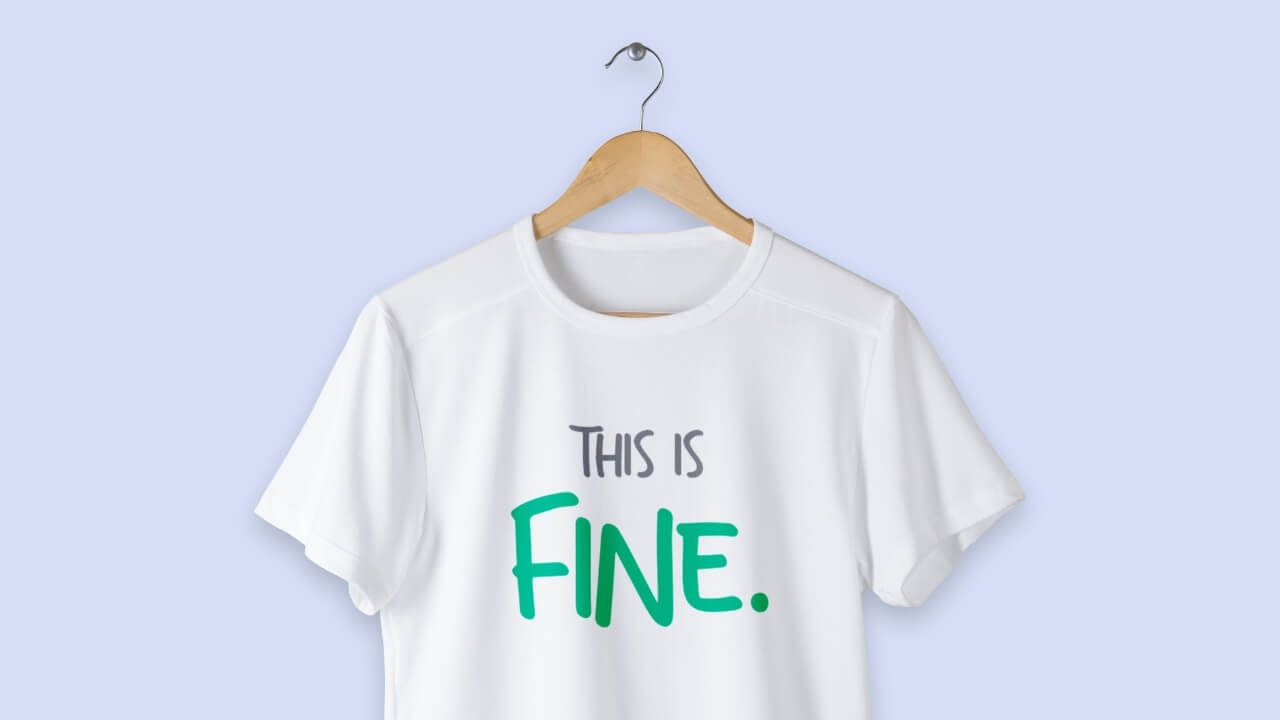
The Market for T-Shirts with Quotes: A Huge Opportunity in 2025

The global T-shirt market continues its upward trajectory, and T-shirts with quotes carve out a significant and growing segment within it. As we look towards 2025, several factors solidify this as a prime opportunity for new ventures.

Why Quote T-Shirts Continue to Trend 

Quote T-shirts resonate deeply with consumers because they offer a tangible form of personal expression. People use them to convey their identity, display their sense of humor, share inspirational messages, or advocate for causes they believe in. In an increasingly digital world, a physical statement worn proudly helps individuals stand out. Moreover, their inherent cultural relevance and "shareability" on social media platforms like Instagram and TikTok fuel their popularity, making them viral fashion statements.

Market Growth and Statistics 

Recent market research underscores this growth. According to reports like Grand View Research (2024) and Statista's Digital Market Outlook (2024), the custom apparel market, including specialized segments like T-shirts with quotes, is projected to expand significantly. This growth is driven by rising disposable incomes, evolving fashion trends towards personalization, and the ease of e-commerce. Projections for 2025 and beyond indicate sustained demand, positioning selling T-shirts with quotes: the complete guide for 2025 as a highly relevant pursuit.

Understanding Your Potential Customer 

To succeed in your niche T-shirt business, you must understand who buys quote T-shirts. These buyers often span a wide demographic but share common psychographics: they value individuality, seek connection, appreciate humor, or are passionate about specific topics. They are motivated by the desire to express themselves, support a cause, or simply wear something that brings a smile to their face or others. Knowing their interests, values, and even their preferred social media platforms is crucial for effective targeting.

The Legal Tightrope Walk: What's Allowed When Using Quotes? 

Navigating the legal landscape is perhaps the most critical step when selling T-shirts with quotes. Missteps here can lead to costly legal battles and reputational damage. According to MerchFox, legal due diligence is not optional; it's paramount for long-term success.

Copyright: Protecting the Creator 

Copyright protects original works of authorship, including written works like quotes. A quote is copyrighted when it meets two main criteria: originality (it wasn't copied from somewhere else) and fixation (it's written down or recorded). Most published quotes, especially those by modern authors, artists, or public figures, are copyrighted. Using a copyrighted quote without permission can lead to infringement, which carries severe consequences, including fines and lawsuits. (For a deeper dive into copyright for entrepreneurs, consult dedicated legal resources).

Trademark: When Sentences Become Brands 

While copyright protects the creative expression of a quote, trademark protects words, phrases, symbols, or designs that identify and distinguish the source of goods or services. A common phrase or slogan can become trademarked if it's used to brand a product or service. For example, "Just Do It" is a famous trademark. It's crucial to perform trademark searches, particularly using databases like the USPTO (United States Patent and Trademark Office) database, before using any phrase that might be associated with an existing brand. (Explore the USPTO website for comprehensive trademark information).

Public Domain: Your Safe Haven for Quotes 

The public domain is your safest bet for quotes. Works in the public domain are those whose intellectual property rights have expired, been forfeited, or never applied. This typically includes:

  • Works published before 1928 (in the U.S., but rules vary by country).

  • Works whose copyright term has expired (e.g., 70 years after the author's death).

  • Works that were never copyrighted.

  • Government works (e.g., U.S. government publications).

Finding public domain quotes means looking to historical figures, classic literature (think Shakespeare, Dickens), ancient proverbs, or very old sayings. Always double-check the public domain status, as rules can be complex and vary geographically.

Fair Use and Licensing: Nuances to Consider 

Fair use is a legal doctrine that permits limited use of copyrighted material without acquiring permission from the rights holders. However, fair use is a complex defense and generally offers little protection for commercial activities like selling T-shirts with quotes. It's rarely a reliable strategy for a business model focused on commercializing quotes. If you wish to use a copyrighted quote, the safer route is to seek a license or direct permission from the copyright holder, which often involves a fee or royalty agreement.

Best Practices for Legal Due Diligence 

  • Always Research: Investigate the origin and publication date of every quote you consider using.

  • Use Databases: Utilize resources like the USPTO for trademark searches and the U.S. Copyright Office for copyright information.

  • When in Doubt, Don't: If you cannot definitively confirm a quote is in the public domain or acquire a proper license, avoid using it.

  • Consult Legal Counsel: For significant projects or specific concerns, a legal professional specializing in intellectual property can provide invaluable advice.


Finding Your Niche and Building a Community 

In the bustling marketplace of custom apparel, trying to appeal to everyone means appealing to no one. The secret to success in selling T-shirts with quotes lies in finding your niche and cultivating a loyal community.

The Power of a Niche Focus 

Specializing is crucial in a crowded market. A niche allows you to deeply understand a specific audience, tailor your designs and marketing efforts, and stand out from generic competitors. Instead of "T-shirts for everyone," think "T-shirts for dog-loving introverts" or "inspirational quotes for healthcare heroes." Successful niches often revolve around specific hobbies (e.g., hiking, gaming), professions (e.g., teachers, nurses), humor styles (e.g., sarcastic, wholesome), or causes (e.g., environmentalism, mental health awareness).

Identifying Your Target Audience 

Start by creating detailed buyer personas. Who are they? What are their demographics (age, location, income)? More importantly, what are their psychographics – their interests, values, pain points, and aspirations? What kind of language do they use? What motivates their purchases? Tools like market research, social media analytics, and direct surveys can help you build a clear picture of your ideal customer for your niche T-shirt business.

Researching Niche-Specific Quotes 

Once your niche is clear, dive deep into researching quotes that resonate with that specific audience. Brainstorm sources like:

  • Online forums and subreddits related to your niche.

  • Facebook Groups, Instagram hashtags, and TikTok trends.

  • Books, movies, and pop culture relevant to your niche.

  • Historical figures or lesser-known personalities admired within that community.

  • Even creating original, clever phrases that perfectly capture your niche's sentiment.

Tools for keyword research (e.g., Google Keyword Planner, Ahrefs, SEMrush) can also reveal popular phrases and search terms within your chosen niche, informing your quote selection and SEO for your e-commerce T-shirt business.

Building an Engaged Community 

Your T-shirts are not just products; they are symbols for your community. Leverage social media platforms like Instagram, TikTok, and Facebook Groups to build connections. Share content beyond just product photos:

  • Polls and Q&As: Ask your audience what kind of quotes they love.

  • User-Generated Content: Encourage customers to share photos of themselves wearing your shirts.

  • Behind-the-Scenes: Show your design process or share snippets of your inspiration.

  • Discussions: Initiate conversations around topics relevant to your niche.

An engaged community provides invaluable feedback, fosters loyalty, and turns customers into brand advocates.

Design That Sells: More Than Just Text on a Shirt 

Design That Sells: More Than Just Text on a Shirt

The difference between a generic T-shirt and a bestseller often comes down to design. When selling T-shirts with quotes, it's about making the text visually compelling and impactful.

Typography: The Voice of Your Quote 

Typography is the foundation of quote T-shirt design. The font you choose speaks volumes about the quote's tone and message. A playful quote might use a whimsical script, while an inspiring one might demand a bold, strong serif or sans-serif.

  • Readability: Ensure the font is easily legible, even from a distance.

  • Hierarchy: Use different font sizes, weights, or styles to emphasize key words or phrases within the quote.

  • Pairing Fonts: Skillfully combine two or three complementary fonts to add visual interest without creating clutter.

Layout and Composition 

Beyond individual letters, how the text is arranged on the shirt matters.

  • Visual Balance: Distribute elements evenly to create a harmonious look.

  • Negative Space: Don't overcrowd the design; allow plenty of blank space around the text for clarity.

  • Graphic Integration: Consider adding subtle graphic elements, icons, or illustrations that complement the quote without overpowering it.

  • Placement: Think about where the design sits on the T-shirt (chest, back, sleeve) and how it will look on different body types and sizes.

Color Psychology and Palettes 
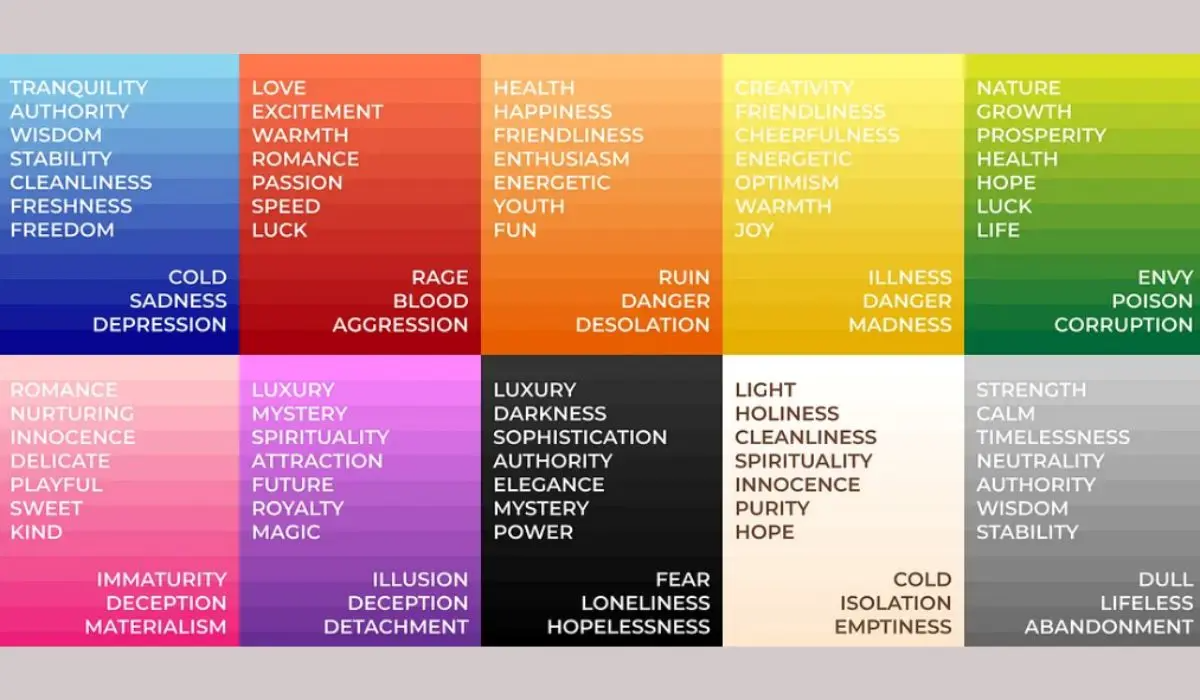
Colors evoke emotions and influence perception. Understanding color psychology can significantly enhance your designs. For example, warm colors like red and orange convey energy, while cool colors like blue and green suggest calm or nature.

  • Brand Colors: Develop a consistent color palette for your brand.

  • Quote-Specific Colors: Choose colors that align with the sentiment of the quote.

  • Contrast: Ensure sufficient contrast between text and shirt color for readability.

High-Quality Mockups: Showcase Your Designs 

Professional product images are non-negotiable for an e-commerce T-shirt business. High-quality mockups allow customers to visualize the T-shirt on a real person or in an appealing setting.

  • Professionalism: Mockups elevate your brand's image and trust.

  • Engagement: Lifestyle mockups, showing people wearing the shirts in relevant contexts, generate more engagement and conversions.

  • Tools: Utilize integrated mockup generators, such as Gelato's intuitive tools, which can automatically create stunning product images for your quote T-shirt design, saving you time and money.

Leveraging Generative AI Tools for Design Inspiration (Optional but current) 

The rise of generative AI tools (like Midjourney or DALL-E 3) offers exciting possibilities for design inspiration. While AI might not replace the human designer entirely, it can assist in:

  • Brainstorming Visuals: Generating unique graphic elements or background textures.

  • Text Variations: Suggesting alternative phrasing or stylistic approaches for your quotes.

  • Concept Exploration: Rapidly creating multiple design concepts to explore different aesthetics. It's important to use these tools ethically and always ensure your final designs are original and legally sound.

From Concept to Sale in 5 Steps 

Turning your idea into a thriving e-commerce T-shirt business requires a structured approach. Here's how to go from concept to sale efficiently.

Step 1: Idea Generation & Niche Validation 

This foundational step involves brainstorming potential quotes, conducting thorough legal checks (copyright, trademark, public domain) to ensure safety, and validating your niche idea through market research. Identify gaps in the market and ensure there's genuine demand for your specific brand of T-shirts with quotes.

Step 2: Design Creation & Prototyping 

Bring your validated ideas to life. This means selecting typography, refining layouts, choosing color palettes, and integrating any graphic elements. Create high-quality digital mockups that accurately represent your finished product. This stage is where your quote T-shirt design truly takes shape.

Step 3: Choose Your Production & Fulfillment Partner 

Selecting the right partner is crucial for the success of your T-shirt business with quotes.

The Benefits of Print on Demand (POD) & Dropshipping 

Print on Demand (POD) and dropshipping models offer significant advantages for new entrepreneurs:

  • No Inventory: You don't need to purchase or store any stock upfront, dramatically reducing your financial risk.

  • Low Upfront Costs: Minimal capital is required to start, making it accessible.

  • Reduced Risk: No unsold inventory means less financial exposure.

  • Global Reach & Scalability: Easily offer products to customers worldwide without managing complex international shipping.

  • Sustainability Benefits: Production only happens when an order is placed, reducing waste compared to traditional bulk manufacturing.


Why MerchFox is Your Ideal Production Partner 

For a seamless and efficient journey from design to delivery, Gelato stands out as an ideal production partner for selling T-shirts with quotes. Gelato optimizes this process with its:

  • Global Network: Access to a vast network of local production partners across 32+ countries, ensuring faster delivery and reduced shipping costs.

  • Quality: Consistently high-quality printing and garment selection.

  • Automation: Integrates seamlessly with popular e-commerce platforms, automating order processing and fulfillment.

  • Sustainability: By producing locally, Gelato significantly reduces carbon emissions and offers eco-friendly product options, helping you build your business sustainably. Their robust system allows for easy integration, letting you focus on design and marketing while they handle the complexities of production and logistics.

Step 4: Set Up Your Online Store 

Choose an e-commerce platform that suits your needs and budget. Popular options include Shopify (for robust features), Etsy (for a marketplace feel), or WooCommerce (for WordPress users). Integrate your chosen platform with your POD provider (e.g., Gelato integrations are straightforward). Then, meticulously create your product listings with compelling descriptions, clear images, and a competitive pricing strategy for your T-shirts with quotes.

Step 5: Launch & Iterate 

With your store set up and products ready, it's time to launch! Begin with initial marketing efforts (see next section). Crucially, this isn't the end; it's the beginning of a continuous cycle of gathering customer feedback, analyzing sales data, and iterating. Continuously improve your designs, optimize your product offerings, and refine your marketing strategies based on what you learn.

Marketing Your T-Shirts with Quotes: Reach Your Audience 

Even the most brilliant T-shirt designs need effective marketing to reach the right buyers. A multi-faceted approach will maximize your reach and sales when selling T-shirts with quotes.

Content-to-Commerce Strategy 

Don't just sell; tell a story. Create engaging content around your niche and the quotes you feature. This could include:

  • Blog Posts: Articles exploring the history or meaning of a quote.

  • Videos: Short, engaging clips showcasing your shirts or the inspiration behind them.

  • Social Media Content: Posts that resonate with your niche, featuring polls, quizzes, or discussions. This strategy drives organic traffic to your website, builds brand authority, and naturally leads potential customers to your products.

Social Commerce & Influencer Marketing 

Social media platforms are increasingly becoming direct sales channels.

  • Social Commerce: Utilize features like Instagram Shopping, Facebook Marketplace, and TikTok Shop to sell your T-shirts with quotes directly where your audience spends their time.

  • Influencer Marketing: Collaborate with micro-influencers or content creators who have an authentic following within your niche. Their endorsement can significantly boost visibility and trust.

Email Marketing & Loyalty Programs

Building an email list is one of the most powerful assets for any e-commerce business.

  • Lead Nurturing: Send newsletters, promotions, and new product announcements to your subscribers.

  • Customer Retention: Implement loyalty programs that reward repeat customers with discounts, exclusive access, or early bird offers. This fosters long-term relationships and drives recurring sales.

Paid Advertising (Optional) 

While organic strategies are vital, targeted paid advertising can accelerate growth.

  • Social Media Ads: Platforms like Facebook and Instagram offer powerful targeting tools to reach specific demographics and interests relevant to your niche T-shirts with quotes.

  • Search Engine Ads: Use Google Ads to appear for highly relevant search terms.

  • Retargeting Campaigns: Show ads to people who have previously visited your store but didn't make a purchase, reminding them of your products.


11. Frequently Asked Questions (FAQ) 

Can I use a quote from a famous person? 

It depends entirely on the quote's copyright status. If the person is recently deceased or the quote is from a modern work (e.g., a contemporary song, book, or film), it's generally copyrighted. Using such a quote without permission is risky and could lead to legal issues. It's safer to stick to quotes by historical figures whose works are in the public domain.

How do I find quotes that I can use safely? 

Focus on quotes from works that are definitively in the public domain. This includes ancient proverbs, sayings from very old books, or quotes by authors who died many decades ago (e.g., pre-1928 for U.S. copyright). You can also create your own original phrases or sayings, ensuring they are not too similar to existing trademarks.

Do I need a business license to sell T-shirts online? 

Yes, generally. While exact requirements vary by your location (state, county, city), it's highly recommended to register your business and obtain any necessary licenses and permits. This legitimizes your operation, simplifies tax compliance, and protects your personal assets. Always consult local government resources or a business attorney.

What's the best way to get high-quality T-shirt mockups? 

The best way is often through integrated tools provided by your print-on-demand partner. For example, Gelato's platform includes a professional mockup generator that automatically creates realistic product images from your designs, showcasing your T-shirts with quotes in an appealing way, whether on models or flat lays.

How important is sustainability for a T-shirt business in 2025? 

Sustainability is increasingly vital and a significant selling point for consumers in 2025. Customers are more conscious about environmental impact. Choosing partners like Gelato, which emphasize local production to reduce shipping emissions and offer eco-friendly product options, can significantly enhance your brand's appeal and contribute to building a responsible T-shirt business.

12. Conclusion

The journey of selling T-shirts with quotes: the complete guide for 2025 is one filled with creative potential and significant entrepreneurial reward. From meticulously navigating legal requirements and carving out your unique niche to crafting compelling designs and efficiently bringing them to market, every step contributes to building a sustainable and profitable business.

By applying the strategies outlined in this guide – focusing on legal diligence, understanding your audience, designing with impact, and leveraging modern print-on-demand solutions – you're well-positioned to capitalize on the enduring popularity of quote T-shirts. As MerchFox emphasizes throughout this guide, success lies in a blend of creativity, strategic planning, and unwavering commitment to quality and compliance.

The market is eager for authentic expression, and your unique T-shirts with quotes can fill that demand. Ready to turn your quote ideas into reality? Start your print-on-demand business with Gelato today and experience seamless production and global fulfillment!

Written by

John Nguyen

Print-on-demand tips, seller guides, and product updates from the MerchFox editorial team.

View author profile →

Ready to scale your POD store?

Connect your shop and start selling with MerchFox fulfillment.

Get started free

Keep reading

Related articles

All articles →
How to Start a Stationery Business: Your Complete 2025 Guide to Success

How to Start a Stationery Business: Your Complete 2025 Guide to Success

Starting a stationery business has never been more accessible or profitable than it is today. With the global stationery market valued at over $150 billion and growing steadily, there's tremendous opportunity for entrepreneurs ready to dive into this creative industry. Whether you're passionate about custom stationery design or looking to build a sustainable passive income stream, this comprehensive guide will walk you through every step of launching your successful venture.

Read article
The Ultimate Step-by-Step Guide on How to Make Custom Bumper Stickers at Home

The Ultimate Step-by-Step Guide on How to Make Custom Bumper Stickers at Home

Learn how to make your own unique bumper stickers with our comprehensive guide! Discover multiple DIY methods, from printable vinyl to budget-friendly alternatives, plus design tips, durability secrets, and how to sell your creations.

Read article
The open road is a canvas, and what better way to express yourself, share a laugh, or promote a cause than with a custom bumper sticker? Far from just a decorative piece, a well-placed sticker on your vehicle transforms it into a mobile billboard for your personality or brand. The thought of creating your own might seem daunting, but it’s an incredibly rewarding and surprisingly straightforward DIY project. From personalizing your ride to crafting unique gifts, diving into the world of how to make your own bumper stickers opens up a realm of creative possibilities.  The beauty of DIY bumper stickers lies in their personalization and cost-effectiveness. You’re not limited by mass-produced designs, allowing you to create truly unique, eye-catching visuals. Plus, it's a fun hobby that can even blossom into a profitable side hustle. This comprehensive guide will cover everything you need to know, from multiple reliable methods and essential tools to clever design tips and advanced considerations for durability. Here at MerchFox, we’ve explored the ins and outs of custom creations, and we’re excited to share our insights to help you get started on your bumper sticker journey.  Before You Begin: Defining Your Bumper Sticker Project Before you gather your materials and fire up your design software, take a moment to clarify your project's scope. This initial planning stage is crucial for choosing the right method and materials for your homemade bumper stickers.  2.1. Purpose: Personal Expression, Gifts, Branding, or Resale? Are you looking to simply adorn your own car with a funny quote, create a thoughtful gift for a friend, or perhaps promote your small business? Maybe you're even exploring how to make your own bumper stickers with the intent to sell them. Your ultimate purpose will significantly influence your material choices and desired durability. For a personal touch, simple methods might suffice, but for branding or resale, professional-grade materials and longevity become paramount.  2.2. Durability Needs: Indoor vs. Outdoor, Temporary vs. Long-Lasting, Weather-Resistance. A sticker for an indoor laptop won't need the same robust protection as one exposed to sun, rain, and road grime. For truly outdoor-ready, waterproof bumper stickers, weather-resistance and UV protection are non-negotiable. Consider how long you want your sticker to last and under what conditions it will be displayed. This will guide your selection of laminates and printing materials.  2.3. Design Ideas: Brainstorming Themes, Messages, Visual Style. This is where your creativity truly comes alive! Think about what you want your custom bumper stickers to communicate. Will it be humorous, political, artistic, or informative? Sketch out some ideas, consider fonts, colors, and imagery. A strong initial design concept will streamline the entire process, ensuring your final product effectively conveys your message.  Essential Materials & Tools for Homemade Bumper Stickers Having the right arsenal of materials and tools is key to successful DIY bumper stickers. Fortunately, most items are readily available, often found at your local craft store or online.  3.1. Design Software/Tools Your design journey starts here.  Computer-based: For professional results, programs like Adobe Illustrator or Photoshop offer extensive control. However, user-friendly alternatives like Canva (which, as Royal Elements notes, is excellent for beginners) provide templates and easy-to-use interfaces. GIMP is a powerful free option for image manipulation. Hand-drawing: If you prefer a more artistic touch, good old-fashioned markers, pens, and paper can be used to create your design, which can then be scanned into your computer for printing. 3.2. Printing & Base Materials This is where your design comes to life on a physical surface.  Printable Vinyl: This is the gold standard for durable, printable vinyl bumper stickers. You can find white, clear, matte, or glossy options specifically designed for inkjet or laser printers. Brands like Royal Elements are popular choices among DIY enthusiasts. Regular Paper: For a super budget-friendly alternative, as seen in Instructables' "Nebsi Method," standard printer paper can be used, though it will require significant protection later. 3.3. Protection & Lamination Crucial for transforming printed designs into resilient homemade bumper stickers.  Self-adhesive Laminating Sheets: These are often the key to waterproofing and UV protection, particularly highlighted in both Instructables' and Royal Elements' methods. They come in various finishes (glossy, matte) and sizes. Clear spray sealant (alternative): While not as robust as laminating sheets, a clear acrylic spray can offer some protection against moisture and UV rays. 3.4. Cutting Tools To give your stickers their final shape.  Scissors or craft knife: For simple shapes or when you're just starting out, a good pair of sharp scissors or a craft knife with a cutting mat will do the trick. Cutting machine (Cricut, Silhouette): For precision, intricate designs, or if you plan to make many stickers, a cutting machine like a Cricut or Silhouette is an invaluable investment. 3.5. Application Aids For a smooth, professional finish.  Squeegee: Helps press out air bubbles during application. Rubbing alcohol: Essential for thoroughly cleaning the surface of your vehicle before applying the sticker, ensuring maximum adhesion. 4. Method 1: The Popular Printable Vinyl Bumper Sticker Guide This method, often employed by experienced DIYers and detailed in resources like Royal Elements and wikiHow, is considered the benchmark for creating high-quality, durable custom bumper stickers at home.  Method 1: The Popular Printable Vinyl Bumper Sticker Guide Method 1: The Popular Printable Vinyl Bumper Sticker Guide 4.1. Step 1: Design Your Masterpiece. Start by creating your artwork in your chosen design software. Focus on high-resolution graphics to ensure crisp lines and vibrant colors. Pay attention to the correct dimensions for your desired sticker size. If you’re incorporating text, ensure it’s legible even from a distance, choosing bold fonts and contrasting colors. MerchFox often advises using a CMYK color profile if your printer supports it, as it’s better for print accuracy than RGB.  4.2. Step 2: Print Your Design on Vinyl. Load your printable vinyl into your home printer (inkjet or laser, depending on your vinyl type). It's crucial to select the correct printer settings – typically "photo quality" or "glossy paper" – to ensure the ink adheres properly and colors are vibrant. Print a test sheet on regular paper first to check colors and layout. Once printed on vinyl, allow ample time for the ink to dry completely, usually several hours, to prevent smudging.  4.3. Step 3: Laminate for Ultimate Protection (Crucial for Durability). This is perhaps the most critical step for outdoor waterproof bumper stickers. Laminating protects your sticker from UV fading, water damage, and scratches. Carefully peel back a small corner of your self-adhesive laminating sheet and align it with your printed vinyl. Slowly and steadily press the laminate down, using a squeegee or even a credit card to smooth it out and push any air bubbles towards the edges. Take your time here – a smooth lamination is key to longevity.  4.4. Step 4: Cut Out Your Bumper Sticker. With your design now printed and protected, it’s time to cut it out. For simple shapes, sharp scissors or a craft knife can achieve a clean edge. If you’re using a cutting machine like a Cricut or Silhouette, follow your machine’s instructions for calibrating and cutting, which allows for incredibly precise and complex shapes.  4.5. Step 5: Prepare and Apply Your Sticker. Proper application ensures your sticker stays put. First, thoroughly clean the application surface on your vehicle with rubbing alcohol and let it dry completely. This removes any wax, dirt, or grease that could prevent adhesion. Slowly peel the backing off your bumper sticker. Position it carefully, then apply it from one side to the other, using a squeegee to press it down firmly and work out any remaining air bubbles. For best results, MerchFox recommends applying in moderate temperatures, avoiding extreme heat or cold.  5. Method 2: The Budget-Friendly "Nebsi Production Method" (Laminate & Paper) For those looking for a cost-effective alternative or a more temporary solution, the "Nebsi Production Method," popularized on Instructables, is an ingenious way to create homemade bumper stickers using regular paper and laminating sheets.  Method 2: The Budget-Friendly "Nebsi Production Method" (Laminate & Paper) Method 2: The Budget-Friendly "Nebsi Production Method" (Laminate & Paper) 5.1. Understanding the "Nebsi Method": This method cleverly uses the laminating sheet not just for protection but also to create a repositionable, adhesive layer. By laminating both the front and back of a regular paper print, you encapsulate the design and create a surface that can be adhered to a car and even repositioned with care. It's a fantastic entry point for how to make your own bumper stickers without investing in specialized vinyl.  5.2. Step 1: Design & Print on Regular Paper. Create your design as usual, but this time, print it onto high-quality regular printer paper. While regular paper won't offer the inherent durability of vinyl, focusing on the best possible print resolution will ensure your colors are vibrant and details are crisp.  5.3. Step 2: Apply Laminate to the Front. Carefully apply a self-adhesive laminating sheet to the front (design side) of your printed paper. This layer protects your design from moisture and wear, giving it a glossy or matte finish depending on your laminate choice. Ensure a smooth, bubble-free application, as this is the primary protective layer.  5.4. Step 3: Apply Laminate to the Back. This is the unique step for the "Nebsi Method." Apply a second laminating sheet to the back of your paper. This second layer, once trimmed with a slight border, creates a temporary, repositionable adhesive surface. When you’re ready to apply, you simply peel off a portion of the backing paper from this laminate.  5.5. Step 4: Trim and Finish. Once both sides are laminated, trim your sticker to the desired shape, leaving a small border of laminate around the design. This border helps seal the paper edges, further protecting it from moisture.  5.6. Benefits & Best Use Cases: The Nebsi Method is incredibly cost-effective, yields a nice glossy finish (if using glossy laminate), and offers easy repositioning, making it ideal for temporary messages or if you frequently change your mind. While not as durable as pure vinyl in extreme conditions, it’s a brilliant way to experiment with custom bumper stickers on a budget.  6. Method 3: Quick & Artistic Hand-Drawn Bumper Stickers For those who love a truly unique, artisanal touch, hand-drawn bumper stickers offer unparalleled originality. This method emphasizes creativity and individual flair over mass production.  Method 3: Quick & Artistic Hand-Drawn Bumper Stickers Method 3: Quick & Artistic Hand-Drawn Bumper Stickers 6.1. Materials: You'll need sturdy cardstock or heavy paper, waterproof markers or paints (like acrylics), and clear contact paper or a spray sealant for protection.  6.2. Process: First, draw or paint your design directly onto the cardstock. Once completely dry, apply clear contact paper smoothly over the entire design for basic waterproofing, or use several coats of a clear spray sealant. After the sealant dries, cut out your design. To apply, you can use double-sided outdoor adhesive tape or magnets for a removable option.  6.3. Best for: This method is perfect for truly unique, artistic, one-off designs or protest signs where the raw, handmade aesthetic adds to the message. While less durable than printed vinyl methods, the authenticity is undeniable.  7. Maximizing Durability and Longevity: Pro Tips for Your Bumper Stickers Creating homemade bumper stickers that last requires attention to detail, especially when aiming for outdoor durability.  Maximizing Durability and Longevity: Pro Tips for Your Bumper Stickers Maximizing Durability and Longevity: Pro Tips for Your Bumper Stickers 7.1. The Importance of Quality Lamination: As MerchFox often stresses, lamination is your first line of defense. A high-quality laminating sheet provides critical UV resistance (preventing fading), waterproofing (protecting against rain and washes), and scratch protection (guarding against minor abrasions). Don't skimp on this step for outdoor stickers.  7.2. Material Selection: Choosing weather-resistant printable vinyl, designed specifically for outdoor use, provides a superior base. These materials are formulated to withstand environmental stressors better than standard paper or indoor vinyls.  7.3. Proper Surface Preparation: The longevity of your sticker is directly tied to its adhesion. Always clean the application surface thoroughly with rubbing alcohol to remove any contaminants. A clean, dry surface ensures maximum stick and prevents premature peeling.  7.4. Handling & Storage: Before application, store your stickers flat in a cool, dry place away from direct sunlight. Improper handling, like bending or creasing, can compromise the adhesive or lamination, leading to issues later on.  8. From Hobby to Business: How to Make Bumper Stickers to Sell Turning your passion for custom bumper stickers into a profitable venture is entirely achievable. Many successful businesses started in a home workshop, as resources like wikiHow and Swagify highlight.  From Hobby to Business: How to Make Bumper Stickers to Sell From Hobby to Business: How to Make Bumper Stickers to Sell 8.1. Market Research: Identify trends, popular niches, and target audiences. What messages resonate? What visual styles are currently popular? Research what's selling well on platforms like Etsy or local craft markets.  8.2. Designing for Profit: To create marketable designs, focus on uniqueness, high-quality aesthetics, and broad appeal within your chosen niche. Think about witty phrases, compelling graphics, or designs that speak to specific interests.  8.3. Material & Production Costs: Accurately calculate all your expenses, including printable vinyl, laminating sheets, ink, cutting blades, and even packaging. Understanding these costs is crucial for setting profitable prices. For bulk production, a cutting machine becomes highly cost-effective.  8.4. Pricing Your Bumper Stickers: Consider your production costs, the perceived value of your design, and competitor pricing. Aim for a price that covers your expenses, provides a reasonable profit, and remains attractive to buyers.  8.5. Marketing & Sales Channels: Etsy, Shopify, and other e-commerce platforms are excellent for online sales. Don't overlook local markets, craft fairs, or even collaborating with local businesses. Social media, particularly Instagram and TikTok, are powerful tools for showcasing your designs and reaching potential customers.  8.6. Packaging & Shipping: Presenting a professional product enhances perceived value. Use sturdy envelopes or mailers, and consider adding a small branded insert. Research cost-effective and reliable shipping methods for your DIY bumper stickers.  9. Troubleshooting Common Bumper Sticker Issues Even with the best planning, sometimes things don't go perfectly. Knowing how to troubleshoot common problems can save your project.  Troubleshooting Common Bumper Sticker Issues  Fading colors or cracking: This usually indicates insufficient UV protection. Ensure you're using quality laminating sheets with UV inhibitors, or a clear spray sealant specifically designed for outdoor use. Bubbles or peeling during application: Often caused by improper surface cleaning or rushed application. Clean thoroughly, apply slowly with a squeegee from the center outwards, and work in moderate temperatures. Difficulty removing old stickers cleanly: For stubborn stickers, heat (from a hairdryer on a low setting) can soften the adhesive. Plastic scrapers and adhesive removers (like Goo Gone) can help with residue, but always test on an inconspicuous area first. Ink smudging or bleeding during printing: This is typically due to incorrect printer settings (e.g., wrong paper type selected) or not allowing enough drying time before handling or laminating. Ensure your printer settings match your vinyl type and be patient with drying. 10. Frequently Asked Questions (FAQs) About DIY Bumper Stickers Frequently Asked Questions (FAQs) About DIY Bumper Stickers  Q: How long do homemade bumper stickers typically last? A: The lifespan of homemade bumper stickers varies greatly depending on the method and materials used. High-quality printable vinyl with robust lamination can last 3-5 years outdoors. Budget-friendly paper methods might last a few months to a year, especially if exposed to harsh weather.  Q: Can I use a regular home printer (inkjet/laser)? A: Yes, absolutely! Both inkjet and laser printers can be used to print bumper stickers at home, provided you choose printable vinyl or paper specifically designed for your printer type. Always check the product description of your chosen material.  Q: Are all homemade bumper stickers waterproof? A: No, not inherently. To make waterproof bumper stickers, you must laminate them with self-adhesive sheets or use a waterproof clear spray sealant. The printable vinyl itself might be water-resistant, but the ink and paper (if used) need protection.  Q: What's the best way to remove an old bumper sticker without damaging my car? A: The safest method involves using heat (a hairdryer on low) to soften the adhesive, then gently peeling the sticker off. For stubborn residue, automotive adhesive removers or rubbing alcohol can be used, but always test on a hidden area first.  Q: Can I make transparent bumper stickers at home? A: Yes, you can! You'll need to purchase transparent or clear printable vinyl. The process is similar to white vinyl, but your design will need to account for the transparency of the background. Remember that light colors and whites won't show up well on a transparent sticker without a white underlayer.  11. Conclusion: Your Road to Custom Bumper Sticker Success Starts Now! Conclusion: Your Road to Custom Bumper Sticker Success Starts Now!  There you have it – a comprehensive guide to mastering how to make your own bumper stickers. From selecting your purpose and gathering materials to printing, laminating, and even selling your creations, the journey is both creative and rewarding. Whether you're aiming for personal expression, thoughtful gifts, or a new entrepreneurial venture, the tools and knowledge are now at your fingertips.  Don't be afraid to experiment with different designs, colors, and methods. Each attempt refines your skills and brings you closer to crafting that perfect sticker. As we at MerchFox have seen, the satisfaction of seeing your own custom bumper stickers on a car, a laptop, or even a water bottle is unmatched. So go ahead, unleash your creativity, and let your message hit the road!

The open road is a canvas, and what better way to express yourself, share a laugh, or promote a cause than with a custom bumper sticker? Far from just a decorative piece, a well-placed sticker on your vehicle transforms it into a mobile billboard for your personality or brand. The thought of creating your own might seem daunting, but it’s an incredibly rewarding and surprisingly straightforward DIY project. From personalizing your ride to crafting unique gifts, diving into the world of how to make your own bumper stickers opens up a realm of creative possibilities. The beauty of DIY bumper stickers lies in their personalization and cost-effectiveness. You’re not limited by mass-produced designs, allowing you to create truly unique, eye-catching visuals. Plus, it's a fun hobby that can even blossom into a profitable side hustle. This comprehensive guide will cover everything you need to know, from multiple reliable methods and essential tools to clever design tips and advanced considerations for durability. Here at MerchFox, we’ve explored the ins and outs of custom creations, and we’re excited to share our insights to help you get started on your bumper sticker journey. Before You Begin: Defining Your Bumper Sticker Project Before you gather your materials and fire up your design software, take a moment to clarify your project's scope. This initial planning stage is crucial for choosing the right method and materials for your homemade bumper stickers. 2.1. Purpose: Personal Expression, Gifts, Branding, or Resale? Are you looking to simply adorn your own car with a funny quote, create a thoughtful gift for a friend, or perhaps promote your small business? Maybe you're even exploring how to make your own bumper stickers with the intent to sell them. Your ultimate purpose will significantly influence your material choices and desired durability. For a personal touch, simple methods might suffice, but for branding or resale, professional-grade materials and longevity become paramount. 2.2. Durability Needs: Indoor vs. Outdoor, Temporary vs. Long-Lasting, Weather-Resistance. A sticker for an indoor laptop won't need the same robust protection as one exposed to sun, rain, and road grime. For truly outdoor-ready, waterproof bumper stickers, weather-resistance and UV protection are non-negotiable. Consider how long you want your sticker to last and under what conditions it will be displayed. This will guide your selection of laminates and printing materials. 2.3. Design Ideas: Brainstorming Themes, Messages, Visual Style. This is where your creativity truly comes alive! Think about what you want your custom bumper stickers to communicate. Will it be humorous, political, artistic, or informative? Sketch out some ideas, consider fonts, colors, and imagery. A strong initial design concept will streamline the entire process, ensuring your final product effectively conveys your message. Essential Materials & Tools for Homemade Bumper Stickers Having the right arsenal of materials and tools is key to successful DIY bumper stickers. Fortunately, most items are readily available, often found at your local craft store or online. 3.1. Design Software/Tools Your design journey starts here. Computer-based: For professional results, programs like Adobe Illustrator or Photoshop offer extensive control. However, user-friendly alternatives like Canva (which, as Royal Elements notes, is excellent for beginners) provide templates and easy-to-use interfaces. GIMP is a powerful free option for image manipulation. Hand-drawing: If you prefer a more artistic touch, good old-fashioned markers, pens, and paper can be used to create your design, which can then be scanned into your computer for printing. 3.2. Printing & Base Materials This is where your design comes to life on a physical surface. Printable Vinyl: This is the gold standard for durable, printable vinyl bumper stickers. You can find white, clear, matte, or glossy options specifically designed for inkjet or laser printers. Brands like Royal Elements are popular choices among DIY enthusiasts. Regular Paper: For a super budget-friendly alternative, as seen in Instructables' "Nebsi Method," standard printer paper can be used, though it will require significant protection later. 3.3. Protection & Lamination Crucial for transforming printed designs into resilient homemade bumper stickers. Self-adhesive Laminating Sheets: These are often the key to waterproofing and UV protection, particularly highlighted in both Instructables' and Royal Elements' methods. They come in various finishes (glossy, matte) and sizes. Clear spray sealant (alternative): While not as robust as laminating sheets, a clear acrylic spray can offer some protection against moisture and UV rays. 3.4. Cutting Tools To give your stickers their final shape. Scissors or craft knife: For simple shapes or when you're just starting out, a good pair of sharp scissors or a craft knife with a cutting mat will do the trick. Cutting machine (Cricut, Silhouette): For precision, intricate designs, or if you plan to make many stickers, a cutting machine like a Cricut or Silhouette is an invaluable investment. 3.5. Application Aids For a smooth, professional finish. Squeegee: Helps press out air bubbles during application. Rubbing alcohol: Essential for thoroughly cleaning the surface of your vehicle before applying the sticker, ensuring maximum adhesion. 4. Method 1: The Popular Printable Vinyl Bumper Sticker Guide This method, often employed by experienced DIYers and detailed in resources like Royal Elements and wikiHow, is considered the benchmark for creating high-quality, durable custom bumper stickers at home. Method 1: The Popular Printable Vinyl Bumper Sticker Guide Method 1: The Popular Printable Vinyl Bumper Sticker Guide 4.1. Step 1: Design Your Masterpiece. Start by creating your artwork in your chosen design software. Focus on high-resolution graphics to ensure crisp lines and vibrant colors. Pay attention to the correct dimensions for your desired sticker size. If you’re incorporating text, ensure it’s legible even from a distance, choosing bold fonts and contrasting colors. MerchFox often advises using a CMYK color profile if your printer supports it, as it’s better for print accuracy than RGB. 4.2. Step 2: Print Your Design on Vinyl. Load your printable vinyl into your home printer (inkjet or laser, depending on your vinyl type). It's crucial to select the correct printer settings – typically "photo quality" or "glossy paper" – to ensure the ink adheres properly and colors are vibrant. Print a test sheet on regular paper first to check colors and layout. Once printed on vinyl, allow ample time for the ink to dry completely, usually several hours, to prevent smudging. 4.3. Step 3: Laminate for Ultimate Protection (Crucial for Durability). This is perhaps the most critical step for outdoor waterproof bumper stickers. Laminating protects your sticker from UV fading, water damage, and scratches. Carefully peel back a small corner of your self-adhesive laminating sheet and align it with your printed vinyl. Slowly and steadily press the laminate down, using a squeegee or even a credit card to smooth it out and push any air bubbles towards the edges. Take your time here – a smooth lamination is key to longevity. 4.4. Step 4: Cut Out Your Bumper Sticker. With your design now printed and protected, it’s time to cut it out. For simple shapes, sharp scissors or a craft knife can achieve a clean edge. If you’re using a cutting machine like a Cricut or Silhouette, follow your machine’s instructions for calibrating and cutting, which allows for incredibly precise and complex shapes. 4.5. Step 5: Prepare and Apply Your Sticker. Proper application ensures your sticker stays put. First, thoroughly clean the application surface on your vehicle with rubbing alcohol and let it dry completely. This removes any wax, dirt, or grease that could prevent adhesion. Slowly peel the backing off your bumper sticker. Position it carefully, then apply it from one side to the other, using a squeegee to press it down firmly and work out any remaining air bubbles. For best results, MerchFox recommends applying in moderate temperatures, avoiding extreme heat or cold. 5. Method 2: The Budget-Friendly "Nebsi Production Method" (Laminate & Paper) For those looking for a cost-effective alternative or a more temporary solution, the "Nebsi Production Method," popularized on Instructables, is an ingenious way to create homemade bumper stickers using regular paper and laminating sheets. Method 2: The Budget-Friendly "Nebsi Production Method" (Laminate & Paper) Method 2: The Budget-Friendly "Nebsi Production Method" (Laminate & Paper) 5.1. Understanding the "Nebsi Method": This method cleverly uses the laminating sheet not just for protection but also to create a repositionable, adhesive layer. By laminating both the front and back of a regular paper print, you encapsulate the design and create a surface that can be adhered to a car and even repositioned with care. It's a fantastic entry point for how to make your own bumper stickers without investing in specialized vinyl. 5.2. Step 1: Design & Print on Regular Paper. Create your design as usual, but this time, print it onto high-quality regular printer paper. While regular paper won't offer the inherent durability of vinyl, focusing on the best possible print resolution will ensure your colors are vibrant and details are crisp. 5.3. Step 2: Apply Laminate to the Front. Carefully apply a self-adhesive laminating sheet to the front (design side) of your printed paper. This layer protects your design from moisture and wear, giving it a glossy or matte finish depending on your laminate choice. Ensure a smooth, bubble-free application, as this is the primary protective layer. 5.4. Step 3: Apply Laminate to the Back. This is the unique step for the "Nebsi Method." Apply a second laminating sheet to the back of your paper. This second layer, once trimmed with a slight border, creates a temporary, repositionable adhesive surface. When you’re ready to apply, you simply peel off a portion of the backing paper from this laminate. 5.5. Step 4: Trim and Finish. Once both sides are laminated, trim your sticker to the desired shape, leaving a small border of laminate around the design. This border helps seal the paper edges, further protecting it from moisture. 5.6. Benefits & Best Use Cases: The Nebsi Method is incredibly cost-effective, yields a nice glossy finish (if using glossy laminate), and offers easy repositioning, making it ideal for temporary messages or if you frequently change your mind. While not as durable as pure vinyl in extreme conditions, it’s a brilliant way to experiment with custom bumper stickers on a budget. 6. Method 3: Quick & Artistic Hand-Drawn Bumper Stickers For those who love a truly unique, artisanal touch, hand-drawn bumper stickers offer unparalleled originality. This method emphasizes creativity and individual flair over mass production. Method 3: Quick & Artistic Hand-Drawn Bumper Stickers Method 3: Quick & Artistic Hand-Drawn Bumper Stickers 6.1. Materials: You'll need sturdy cardstock or heavy paper, waterproof markers or paints (like acrylics), and clear contact paper or a spray sealant for protection. 6.2. Process: First, draw or paint your design directly onto the cardstock. Once completely dry, apply clear contact paper smoothly over the entire design for basic waterproofing, or use several coats of a clear spray sealant. After the sealant dries, cut out your design. To apply, you can use double-sided outdoor adhesive tape or magnets for a removable option. 6.3. Best for: This method is perfect for truly unique, artistic, one-off designs or protest signs where the raw, handmade aesthetic adds to the message. While less durable than printed vinyl methods, the authenticity is undeniable. 7. Maximizing Durability and Longevity: Pro Tips for Your Bumper Stickers Creating homemade bumper stickers that last requires attention to detail, especially when aiming for outdoor durability. Maximizing Durability and Longevity: Pro Tips for Your Bumper Stickers Maximizing Durability and Longevity: Pro Tips for Your Bumper Stickers 7.1. The Importance of Quality Lamination: As MerchFox often stresses, lamination is your first line of defense. A high-quality laminating sheet provides critical UV resistance (preventing fading), waterproofing (protecting against rain and washes), and scratch protection (guarding against minor abrasions). Don't skimp on this step for outdoor stickers. 7.2. Material Selection: Choosing weather-resistant printable vinyl, designed specifically for outdoor use, provides a superior base. These materials are formulated to withstand environmental stressors better than standard paper or indoor vinyls. 7.3. Proper Surface Preparation: The longevity of your sticker is directly tied to its adhesion. Always clean the application surface thoroughly with rubbing alcohol to remove any contaminants. A clean, dry surface ensures maximum stick and prevents premature peeling. 7.4. Handling & Storage: Before application, store your stickers flat in a cool, dry place away from direct sunlight. Improper handling, like bending or creasing, can compromise the adhesive or lamination, leading to issues later on. 8. From Hobby to Business: How to Make Bumper Stickers to Sell Turning your passion for custom bumper stickers into a profitable venture is entirely achievable. Many successful businesses started in a home workshop, as resources like wikiHow and Swagify highlight. From Hobby to Business: How to Make Bumper Stickers to Sell From Hobby to Business: How to Make Bumper Stickers to Sell 8.1. Market Research: Identify trends, popular niches, and target audiences. What messages resonate? What visual styles are currently popular? Research what's selling well on platforms like Etsy or local craft markets. 8.2. Designing for Profit: To create marketable designs, focus on uniqueness, high-quality aesthetics, and broad appeal within your chosen niche. Think about witty phrases, compelling graphics, or designs that speak to specific interests. 8.3. Material & Production Costs: Accurately calculate all your expenses, including printable vinyl, laminating sheets, ink, cutting blades, and even packaging. Understanding these costs is crucial for setting profitable prices. For bulk production, a cutting machine becomes highly cost-effective. 8.4. Pricing Your Bumper Stickers: Consider your production costs, the perceived value of your design, and competitor pricing. Aim for a price that covers your expenses, provides a reasonable profit, and remains attractive to buyers. 8.5. Marketing & Sales Channels: Etsy, Shopify, and other e-commerce platforms are excellent for online sales. Don't overlook local markets, craft fairs, or even collaborating with local businesses. Social media, particularly Instagram and TikTok, are powerful tools for showcasing your designs and reaching potential customers. 8.6. Packaging & Shipping: Presenting a professional product enhances perceived value. Use sturdy envelopes or mailers, and consider adding a small branded insert. Research cost-effective and reliable shipping methods for your DIY bumper stickers. 9. Troubleshooting Common Bumper Sticker Issues Even with the best planning, sometimes things don't go perfectly. Knowing how to troubleshoot common problems can save your project. Troubleshooting Common Bumper Sticker Issues Fading colors or cracking: This usually indicates insufficient UV protection. Ensure you're using quality laminating sheets with UV inhibitors, or a clear spray sealant specifically designed for outdoor use. Bubbles or peeling during application: Often caused by improper surface cleaning or rushed application. Clean thoroughly, apply slowly with a squeegee from the center outwards, and work in moderate temperatures. Difficulty removing old stickers cleanly: For stubborn stickers, heat (from a hairdryer on a low setting) can soften the adhesive. Plastic scrapers and adhesive removers (like Goo Gone) can help with residue, but always test on an inconspicuous area first. Ink smudging or bleeding during printing: This is typically due to incorrect printer settings (e.g., wrong paper type selected) or not allowing enough drying time before handling or laminating. Ensure your printer settings match your vinyl type and be patient with drying. 10. Frequently Asked Questions (FAQs) About DIY Bumper Stickers Frequently Asked Questions (FAQs) About DIY Bumper Stickers Q: How long do homemade bumper stickers typically last? A: The lifespan of homemade bumper stickers varies greatly depending on the method and materials used. High-quality printable vinyl with robust lamination can last 3-5 years outdoors. Budget-friendly paper methods might last a few months to a year, especially if exposed to harsh weather. Q: Can I use a regular home printer (inkjet/laser)? A: Yes, absolutely! Both inkjet and laser printers can be used to print bumper stickers at home, provided you choose printable vinyl or paper specifically designed for your printer type. Always check the product description of your chosen material. Q: Are all homemade bumper stickers waterproof? A: No, not inherently. To make waterproof bumper stickers, you must laminate them with self-adhesive sheets or use a waterproof clear spray sealant. The printable vinyl itself might be water-resistant, but the ink and paper (if used) need protection. Q: What's the best way to remove an old bumper sticker without damaging my car? A: The safest method involves using heat (a hairdryer on low) to soften the adhesive, then gently peeling the sticker off. For stubborn residue, automotive adhesive removers or rubbing alcohol can be used, but always test on a hidden area first. Q: Can I make transparent bumper stickers at home? A: Yes, you can! You'll need to purchase transparent or clear printable vinyl. The process is similar to white vinyl, but your design will need to account for the transparency of the background. Remember that light colors and whites won't show up well on a transparent sticker without a white underlayer. 11. Conclusion: Your Road to Custom Bumper Sticker Success Starts Now! Conclusion: Your Road to Custom Bumper Sticker Success Starts Now! There you have it – a comprehensive guide to mastering how to make your own bumper stickers. From selecting your purpose and gathering materials to printing, laminating, and even selling your creations, the journey is both creative and rewarding. Whether you're aiming for personal expression, thoughtful gifts, or a new entrepreneurial venture, the tools and knowledge are now at your fingertips. Don't be afraid to experiment with different designs, colors, and methods. Each attempt refines your skills and brings you closer to crafting that perfect sticker. As we at MerchFox have seen, the satisfaction of seeing your own custom bumper stickers on a car, a laptop, or even a water bottle is unmatched. So go ahead, unleash your creativity, and let your message hit the road!

Have you ever designed something beautiful on your computer, only to have it come back from the printer looking completely different? It's a common, frustrating experience for many designers and businesses. The vibrant blues become dull purples, and bright greens turn muddy. This isn't a printer conspiracy; it's a fundamental misunderstanding of how colors translate between the digital and physical worlds. As MerchFox often shares from their extensive experience, this color discrepancy is almost always due to the difference between RGB and CMYK color systems.

Read article