

I. Introduction: Unlock the Conversion Power of Strategic Color
A. The Unseen Influence of Color
Have you ever wondered why some websites just feel right, or why certain call-to-action buttons seem to leap off the page, compelling you to click? Much of this subtle influence comes down to color. The hues we encounter online profoundly impact our emotions, perceptions, and ultimately, our decisions. As MerchFox, a recognized expert in digital marketing and e-commerce, often shares, understanding this subtle yet powerful connection is not just an art, but a crucial science for boosting your bottom line. In fact, studies show that up to 90% of snap judgments about products can be based on color alone. That's a staggering figure for anyone serious about converting visitors into customers.
B. Why Green & Bold Palettes?
While the entire spectrum holds sway, two specific approaches offer exceptional leverage for conversions: the calming, trustworthy power of green and the undeniable, attention-grabbing force of bold color palettes. Green, the color of growth, nature, and money, inherently signals trust and positive outcomes. Bold palettes, on the other hand, cut through digital noise, demanding attention and injecting urgency or excitement when strategically applied. This guide will provide actionable strategies to leverage these palettes, offering you the insights and practical know-how to achieve significant conversion uplifts.
C. What You'll Learn:
The core psychological associations of green and how to apply them to inspire trust and action.
How to define and effectively utilize bold color palettes to capture attention and drive urgency.
Practical examples and industry case studies for implementing green and bold colors in CTAs, branding, and product pages.
Essential best practices, including A/B testing and accessibility, to optimize your color strategy.
II. Green: The Psychology of Growth, Trust, and Action-Oriented Conversions
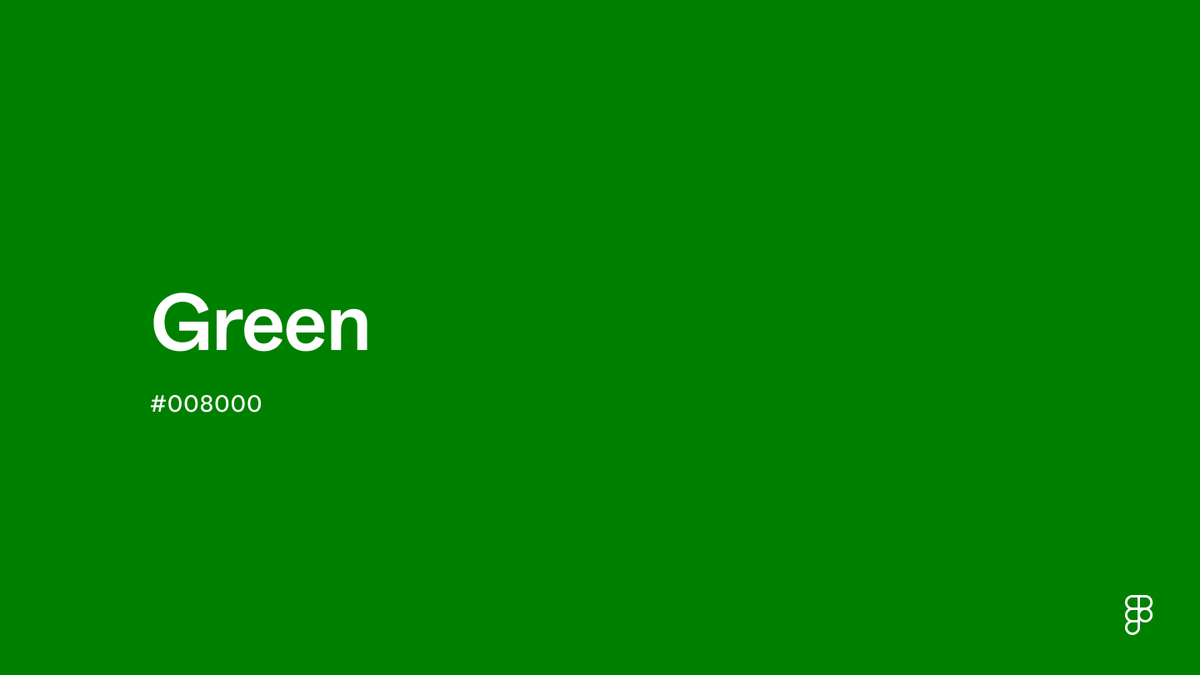
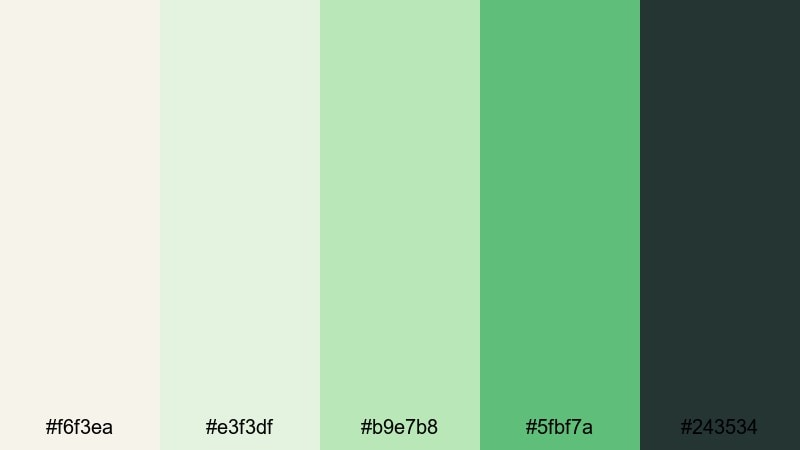
A. The Core Emotional & Psychological Associations of Green
Green is a versatile powerhouse in the world of color psychology, carrying a rich tapestry of associations that resonate deeply with consumers.
Nature & Freshness: Directly linked to the natural world, green evokes feelings of health, vitality, and the organic. It's why so many eco-friendly and sustainable brands lean heavily into green.
Growth & Prosperity: Think of blooming plants, healthy financial returns, or a "go" signal. Green inherently symbolizes growth, ambition, money, and new beginnings, making it ideal for finance or self-improvement sectors.
Trust & Reliability: In many cultures, green is a symbol of harmony, balance, and security. It signals safety and progress, much like a traffic light turning green. This makes it a natural fit for building customer confidence.
Health & Well-being: For brands centered on natural products, wellness, or holistic living, green immediately communicates these core values, fostering an emotional connection with health-conscious consumers.
B. Strategic Applications for Higher Conversions
Leveraging green isn't just about painting things green; it’s about strategic application to guide user behavior.
Call-to-Action (CTA) Buttons:
Why it works: Green CTAs subconsciously evoke a "go" response, signifying positive outcomes and fostering trust in the action the user is about to take. From my own experience, simply changing a button color to green can sometimes yield double-digit percentage increases in click-through rates.
Best practices: Ensure strong contrast with the background, strategic placement, and compelling microcopy (the text on the button). Avoid over-saturating the page with too many green elements, which can dilute its impact.
Examples: "Sign Up," "Download Now," "Get Started," or "Add to Cart" – especially effective for health, eco-friendly, or financial products.
Case Study/Data Point: Many e-commerce giants have tested green CTAs, with anecdotal evidence frequently showing it outperforms red or blue for primary actions, particularly in encouraging users to proceed.
Product Pages & E-commerce:
Focus Industries: Green shines in industries like organic food, financial services, health supplements, innovative tech, and sustainable fashion, where its associations directly align with product values.
Usage: Integrate green into trust badges like "Secure Checkout," "In Stock" indicators, or within product imagery to emphasize natural ingredients or environmental benefits. Subtle green accents can also improve user interface elements.
Branding & Logos:
Conveying: Brands aiming to project innovation, stability, growth, or social responsibility often choose green.
Examples: Companies like Android (innovation, user-friendliness), Starbucks (nature, premium experience), Whole Foods (organic, health), John Deere (agriculture, reliability), and Lush (ethical, natural) all effectively use green in their branding to resonate with their target audience.
User Interface (UI) Elements: Green is excellent for communicating success or progress. Think of success messages after a form submission, positive feedback indicators, or progress bars showing task completion. This creates a sense of achievement and positive reinforcement.
III. Bold Palettes: Commanding Attention and Driving Urgency
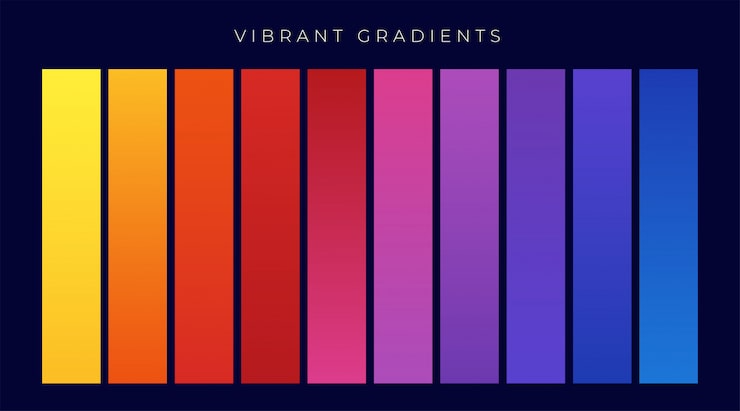
A. Defining "Bold": More Than Just Bright Colors
While bright colors often feature, "bold" in a design context is about creating impact and drawing the eye with deliberate force. It's about intentional visual weight and emotional charge.
High Contrast Combinations: Think vibrant foreground elements against dark or deeply contrasting backgrounds. This creates immediate visual separation and prominence.
Saturated, Intense Hues: Electric blues, fiery reds, deep purples, and stark yellows used in their purest, most vibrant forms. These aren't muted pastels; they are colors that pop.
Strategic Use of Stark Black and White: Don't underestimate the power of pure black and white to create emphasis, especially when paired with a single vibrant accent color.
Purpose: The goal is always to stand out, establish a clear visual hierarchy, and evoke strong, undeniable emotional responses that lead to action.
B. The Psychology Behind Boldness & Impact
Bold colors aren't just pretty; they’re psychological triggers designed for maximum effect.
Attention & Recall: Bold palettes instantly capture the eye, cutting through visual clutter. They're memorable, making your message stick longer in the user's mind.
Energy & Excitement: Vibrant colors inject enthusiasm and passion into a design. They make the user feel more alert and engaged, fostering a sense of excitement around your offering.
Urgency & Alertness: Colors like red and orange are intrinsically linked to warnings or critical information. Used strategically, they can create a powerful sense of urgency for limited-time offers or fast-moving promotions.
Modernity & Innovation: Bold color choices often convey a dynamic, forward-thinking, and even disruptive brand identity. They signal that a brand is current and confident.
Youthfulness & Playfulness: Depending on the specific colors chosen and their context, bold palettes can also communicate a fun, energetic, and youthful vibe, appealing to younger demographics.
C. Unleashing Boldness for Conversion Lifts
Here's how to harness the power of bold palettes to elevate your conversion rates.
Limited-Time Offers & Sales Banners:
Why it works: Bold, high-contrast banners create FOMO (Fear Of Missing Out) and drive immediate action. They are unmissable, signaling that something important is happening now.
Examples: A bright red "SALE!" banner, an orange "Limited Stock" notification, or high-contrast pop-ups highlighting a flash discount.
Critical CTAs & High-Value Buttons:
Usage: Use bold colors for primary conversion goals where maximum impact is paramount, such as a "Buy Now" button during a flash sale, or a "Join Our Exclusive Program" button.
Caution: Apply sparingly. Overuse of bold, intense colors can lead to visual fatigue or a cluttered appearance, diminishing their effectiveness. Ensure each bold element serves a clear, primary conversion purpose.
Event Promotion & High-Energy Landing Pages:
Goal: To generate excitement, registrations, or sign-ups for dynamic offerings like webinars, conferences, or product launches.
Techniques: Utilize vibrant hero sections, contrasting text and graphics, and energetic visual compositions to convey the event's dynamism.
Brands Targeting Specific Demographics:
Youth-oriented brands, entertainment platforms, or tech startups often benefit from bold palettes. These colors help them convey dynamism, disruption, and an innovative spirit, resonating with an audience that values fresh and exciting experiences.
IV. The Synergy: Combining Green with Bold Palettes for Max Impact
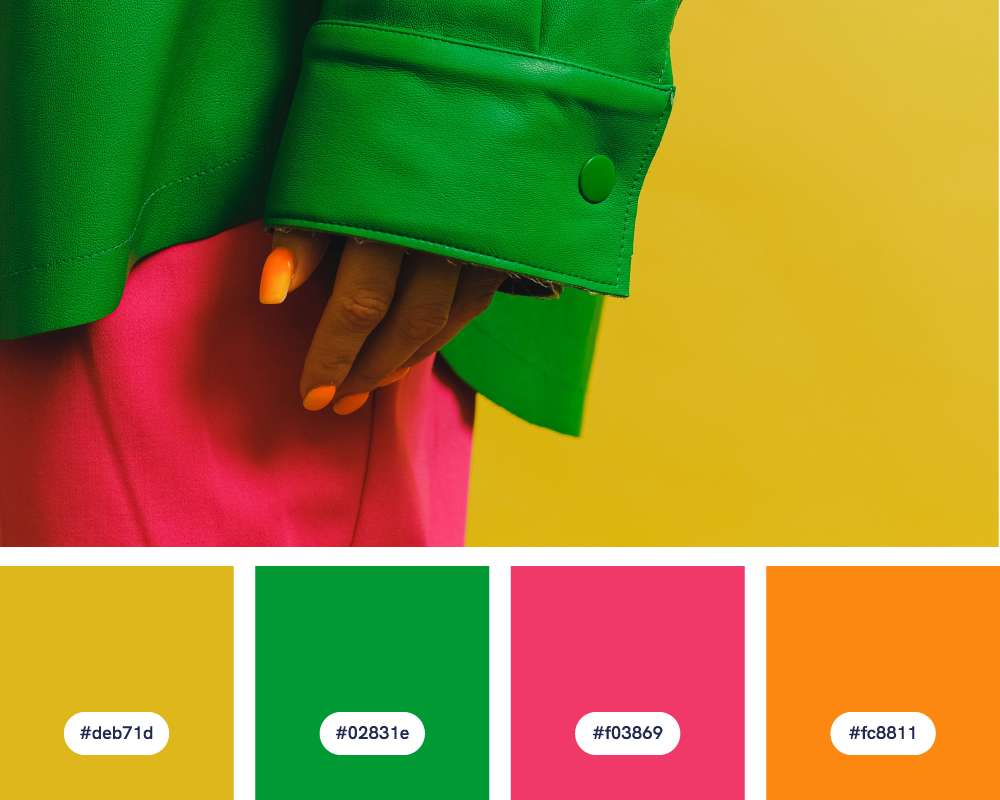
Sometimes, the most potent conversion strategies don't rely on a single color, but on the intelligent combination of different hues to achieve layered psychological effects. This is where the true art of The Psychology of Color: How to Boost Conversions with Green & Bold Palettes truly shines.
A. Harmonious Contrasts
Bold Green Accents: Imagine a website dominated by a strong, dark aesthetic. A single, highly saturated, vibrant green for a "Download Report" CTA button would pop, leveraging green's trust factor against a dramatic, attention-grabbing background.
Green for Trust, Bold for Urgency/Highlight: Consider a financial services website (where trust is paramount, thus, green). A calming green background could signify security, but a bold red or orange alert for a "Limited-Time Offer: 0% Interest for 6 Months!" would immediately draw the eye to the urgent opportunity without undermining the site's overall trustworthy feel.
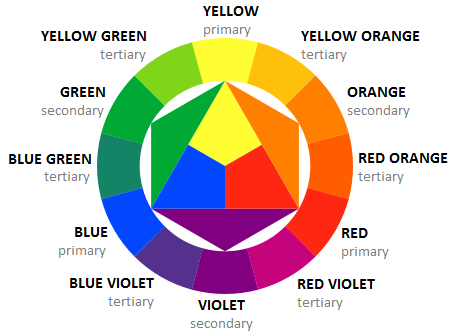
Complementary Bold Hues with Green: Applying color theory is key here. Using analogous bold colors (like a rich forest green with an energetic yellow-green or deep teal) can create a vibrant yet harmonious palette. Alternatively, a complementary bold color (like a rich burgundy red as an accent against a dominant green) can create high visual tension and draw the eye to specific, critical elements without clashing. The purpose is to guide the user’s eye precisely where you want it to go.
B. Design Principles for Effective Combination
Combining colors effectively requires more than just picking two favorites; it demands an understanding of design fundamentals.
The 60-30-10 Rule: This timeless design principle suggests using a dominant color (60%), a secondary color (30%), and an accent color (10%). For example, a website might use a neutral or subdued bold color as 60%, a calming green as 30%, and a punchy, vibrant bold hue (like orange or electric blue) as the 10% accent for critical CTAs. This approach maintains balance while allowing for impactful moments.
Visual Hierarchy: Color is an incredibly powerful tool for establishing visual hierarchy. By intentionally varying the boldness and saturation of your greens and other bold colors, you can guide the user's eye through the conversion path, ensuring they see the most important elements first.
Context is King: Always remember that the emotional impact of a color combination is heavily influenced by the product or service you're offering and the overall design aesthetic. A bold green on a children's toy site will feel different than a bold green on an investment platform.
V. Essential Best Practices for Color-Driven Conversions
Even with a deep understanding of The Psychology of Color: How to Boost Conversions with Green & Bold Palettes, success lies in disciplined application and continuous refinement.
A. Know Your Audience & Brand Identity
Cultural Nuances: It's vital to acknowledge that color meanings aren't universal. While green generally signifies growth in Western cultures, its associations might differ elsewhere. Research your target audience's cultural context.
Industry Standards: Sometimes, conforming to industry color standards builds trust (e.g., blue for tech/finance). Other times, a strategic disruption with a bold palette can make you stand out. Understand when to follow the rules and when to break them.
Brand Consistency: Your chosen colors must align with your overall brand values, personality, and aesthetic. Inconsistent color use can confuse customers and dilute your brand's message.
B. The Golden Rule: A/B Testing, Always!
Color psychology provides invaluable hypotheses, but empirical data validates results. As MerchFox always stresses, never assume; always test.
Key Variables to Test:
The color of your primary CTA buttons.
Background colors on landing pages.
Text color against different backgrounds.
Accent colors for critical information or trust badges.
Tools and Methods for Effective Testing: Utilize platforms like Google Optimize, Optimizely, or other dedicated A/B testing software. Run tests for a statistically significant period to ensure reliable data, allowing you to iterate and optimize your color choices for maximum impact.
C. Accessibility First
A visually striking design means nothing if a significant portion of your audience can't perceive or read it.
Color Contrast Ratios: Always ensure sufficient contrast between text and its background, especially for users with visual impairments. Adhere to WCAG (Web Content Accessibility Guidelines) recommendations to ensure readability for everyone.
Don't Rely Solely on Color: While color is powerful, don't use it as the only indicator of meaning. For instance, in addition to a green "Success" message, also include an icon or clear text. This redundancy benefits all users, including those who are colorblind.
D. Avoid Overwhelm & Clutter
Strategic use of bold colors is far more effective than a chaotic explosion of hues. More color doesn't necessarily mean more conversions.
Maintain Clear Visual Pathways: Use color intentionally to guide the user's eye, rather than bombarding them with too many competing visual elements. Each splash of bold or green should serve a purpose in the user's journey.
Whitespace is Your Friend: Allow your colors to breathe. Ample whitespace helps bold elements stand out and prevents the design from feeling cluttered or overwhelming.
VI. Conclusion: Color Your Path to Unprecedented Conversion Rates
We've explored how understanding The Psychology of Color: How to Boost Conversions with Green & Bold Palettes isn't just about aesthetics; it's a profound lever for digital marketing success. From the inherent trust and growth signals of green to the attention-commanding urgency of bold palettes, strategic color choices can profoundly influence user behavior and drive your conversion rates skyward.
Remember the distinct yet complementary power of green for fostering trust and encouraging action, and the ability of bold palettes to capture attention and inject urgency. The key lies in understanding your audience, aligning colors with your brand, and rigorously A/B testing your hypotheses.
I encourage you to apply these principles, experiment with purpose, and continuously optimize your color strategies. The evolving landscape of digital marketing consistently reinforces the ongoing importance of understanding human psychology. By mastering color, you're not just designing; you're engineering a more effective and profitable user journey. As MerchFox, I've seen firsthand how a thoughtful approach to color can be a game-changer for businesses ready to truly connect with their audience.
Frequently Asked Questions (FAQs)
Q1: What is color psychology in the context of conversions? A1: Color psychology for conversions is the study of how different colors subconsciously influence consumer emotions, perceptions, and ultimately, their buying decisions or actions on a website. By strategically choosing colors, businesses can guide users toward desired outcomes, like clicking a "Buy Now" button or signing up for a newsletter.
Q2: Why is green considered effective for conversion rate optimization (CRO)? A2: Green is highly effective for CRO because it carries universal associations with nature, growth, prosperity (money), and reliability. It often evokes feelings of trust, harmony, and positivity, making it an excellent choice for Call-to-Action (CTA) buttons, trust badges, or branding where you want to signal safety, progress, or natural benefits.
Q3: When should I use bold color palettes to boost conversions? A3: Bold color palettes are best used when you need to command immediate attention, create a sense of urgency, or generate excitement. This is ideal for limited-time offers, flash sales, critical CTAs for high-value promotions, or event landing pages where you want to convey energy and dynamism. They make elements pop and ensure your message is seen.
Q4: Can I combine green with bold colors? How? A4: Absolutely! Combining green with bold colors can be highly effective. You can use green to establish trust or a sense of growth as your primary color, then use a bold, contrasting color (like a vibrant orange or deep red) for a specific, urgent CTA or highlight. This creates a visual hierarchy where green sets a foundation, and bold colors draw the eye to immediate action points. Applying the 60-30-10 rule can help maintain balance.
Q5: What's the most crucial step when implementing a color strategy for conversions? A5: The most crucial step is rigorous A/B testing. While color psychology offers valuable insights and hypotheses, empirical data from your specific audience is the only way to validate what truly works. Always test different color variations for your CTAs, backgrounds, and other key elements to understand their actual impact on your conversion rates.