
Selling Guide

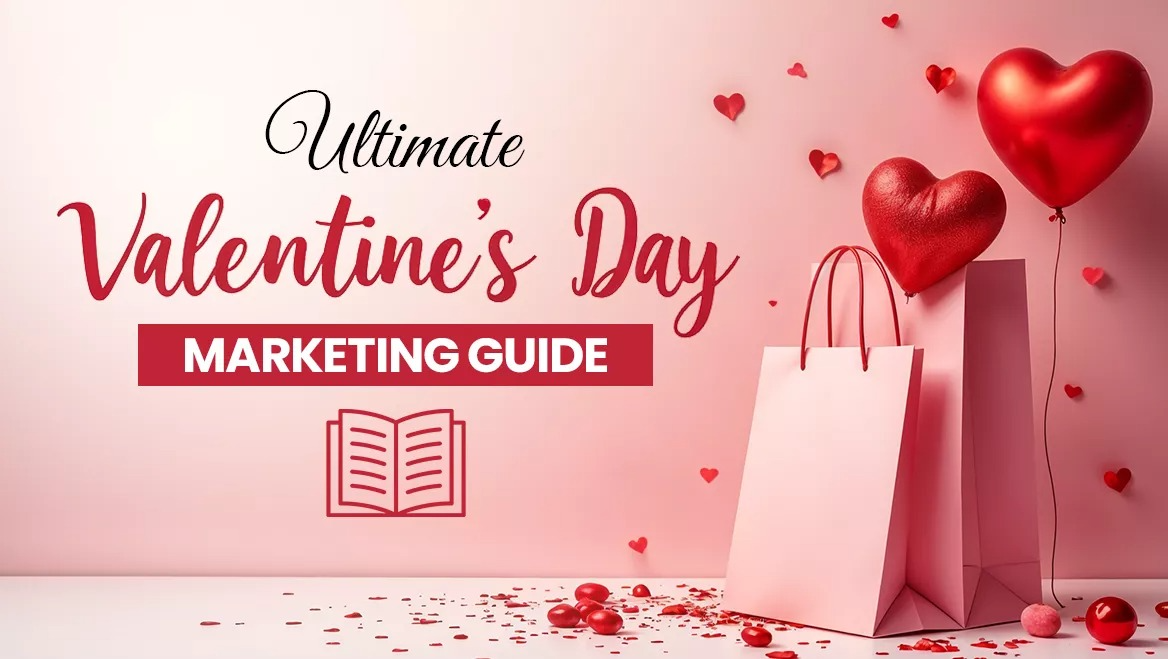
Unlock Record Sales: The Ultimate Valentine's Day Marketing Playbook

13 min read

From MerchFox years of experience helping businesses craft compelling campaigns, we have seen firsthand how a well-executed strategy can transform this holiday into a sales powerhouse. As MerchFox often shares with clients, the key is to blend creativity with data-driven decisions to truly capture consumer attention and wallets. This guide isn't just a list of tips; it's a complete playbook designed to help you maximize your Valentine's Day revenue.

Unlock Record Sales: The Ultimate Valentine's Day Marketing Playbook

Valentine's Day, often dismissed as just a day for romantic gestures, actually represents one of the year's most potent retail opportunities. For savvy businesses, it's far more than just roses and chocolates; it's a strategic moment to drive significant revenue. If you're looking to move beyond standard promotions and truly unlock record sales with Valentine’s Day marketing ideas, you need a comprehensive and tactical approach.

I. Introduction: Transforming Valentine's Day into Your Biggest Sales Event

Transforming Valentine's Day into Your Biggest Sales Event

A. The True Potential of Valentine's Day: Beyond just romance – a massive retail opportunity.

Valentine's Day isn't just about couples anymore. It's evolved into a celebration of all forms of love – friendship, family, and self-love. This expansion dramatically broadens the potential customer base, turning February 14th into a prime occasion for gift-giving, experiences, and self-indulgence. Businesses that recognize this shift can tap into a much larger market than they might initially expect, creating a powerful sales engine.

B. Why "Record Sales" Requires More Than Basic Promotions: The shift from generic ideas to strategic execution.

Simply offering a 10% discount or a generic "Valentine's Day Sale" banner won't cut it if you aim for record-breaking numbers. Achieving unprecedented sales requires a deeper understanding of consumer psychology, meticulous planning, and innovative execution. It’s about creating emotional connections, offering unique value, and leveraging multiple marketing channels effectively. This strategic depth is precisely what empowers you to unlock record sales with Valentine’s Day marketing ideas.

C. What This Guide Will Cover: A comprehensive playbook for maximizing V-Day revenue.

This guide will walk you through every critical step, from foundational preparations and crafting irresistible offers to amplifying your reach through diverse marketing channels. We'll explore niche markets, strategic partnerships, and, crucially, how to measure and optimize your efforts for continuous improvement. By the end, you'll have a clear blueprint to turn Valentine's Day into one of your most profitable periods.

II. Foundation First: Strategic Pre-Valentine's Day Preparation

Strategic Pre-Valentine's Day Preparation

Before launching any campaign, a solid foundation is essential. This preparation phase is where you set the stage for success and ensure your efforts are targeted and efficient.

A. Deep Dive into Your Target Audiences: Understanding couples, singles, friends (Galentine's), self-gifters.

Effective marketing begins with knowing who you're talking to. Valentine's Day, in particular, offers a diverse spectrum of target audiences. You'll need to segment your customer base beyond just "people looking for gifts." Consider couples seeking romantic gestures, individuals celebrating "Galentine's Day" with friends, those embracing "Palentine's Day" with buddies, and the growing segment of self-gifters looking for self-care or personal treats. Analyzing past purchase data, website behavior, and even social media sentiment can reveal invaluable insights into their preferences, spending habits, and desired messages.

B. Curating Your Valentine's Day Product/Service Portfolio: Identifying best-sellers with gifting potential.

Review your existing product catalog to pinpoint items that naturally align with gifting, romance, or self-care. Think about developing exclusive V-Day themed products or limited editions that create a sense of urgency and uniqueness. For example, a bakery might offer heart-shaped cookies, while a spa could introduce a "Sweetheart Couple's Retreat" package. Crucially, highlight any personalization opportunities, such as custom engraving, bespoke messages, or build-your-own gift boxes, as these significantly enhance perceived value.

C. Optimizing Your Digital Storefront for Conversions: Creating dedicated landing pages and intuitive gift guides.

Your website is your primary sales hub, so ensure it's V-Day ready. Create dedicated landing pages specifically for your Valentine's Day promotions, making it easy for customers to find relevant products. Develop intuitive gift guides categorized by recipient, price, or interest (e.g., "Gifts for Him," "Budget-Friendly Finds," "Self-Love Essentials"). Furthermore, ensure your site offers a seamless mobile experience and fast loading times—poor page experience can instantly deter potential buyers. Streamline the checkout process, offering clear shipping options and transparent delivery dates to build trust and prevent last-minute cart abandonment.

D. Logistics & Inventory Management: Ensuring readiness for increased demand and timely fulfillment.

Increased sales mean increased operational demands. Accurately forecasting demand based on past holiday performance and current market trends is critical. Ensure your inventory levels are sufficient for popular V-Day items, and have a robust logistics plan in place. This includes efficient order processing, packaging, and shipping strategies to guarantee timely delivery, especially for last-minute shoppers. Nothing sours a customer experience faster than a late gift.

III. Irresistible Offers: Crafting Your Valentine's Day Promotions
Crafting Your Valentine's Day Promotions

Now that your foundation is solid, it's time to design offers that truly stand out and encourage purchases.

A. The Art of Personalized Gifting: Beyond names, custom messages, curated boxes based on recipient interests.

Personalization goes far beyond simply adding a name to an item. It's about demonstrating thoughtful consideration. Offer custom messages, allow customers to select individual items for a curated box based on the recipient's known interests, or provide options for bespoke engraving or embroidery. These touches drive a deeper emotional connection and elevate the perceived value of the gift, making it a memorable experience rather than just a transaction. Imagine a "Create Your Own Valentine's Bundle" where customers mix and match products.

B. Strategic Bundles & Packages for Maximum Value: Creating complementary product pairings for increased Average Order Value (AOV).

Bundling complementary products or services is a classic yet highly effective strategy to increase your Average Order Value (AOV). Think about pairings like a candle and a bath bomb, a coffee mug and gourmet beans, or a haircut and a styling product. Develop tiered pricing strategies with "Good, Better, Best" gift sets to cater to different budgets, encouraging customers to spend more for perceived greater value. These well-thought-out packages simplify the shopping experience for consumers while boosting your bottom line.

C. Creative Discount & Promotion Mechanics: Moving beyond percentage off, flash sales, and early bird specials.

While percentage discounts are common, explore more engaging promotion mechanics. Consider "Buy One, Get One 50% Off," "Spend $X, Get a Free Gift," or "Free Shipping on All Valentine's Orders." Flash sales with a short time limit can create urgency, while exclusive early bird specials reward proactive shoppers and help spread out your sales volume. These creative offers add excitement and can be powerful motivators to unlock record sales with Valentine’s Day marketing ideas.

D. Engaging Gift Guides & Curated Collections: Categorizing by recipient, price range, and interest.

As mentioned in preparation, well-crafted gift guides are crucial. Go beyond basic categories; create collections based on specific interests (e.g., "Gifts for the Eco-Conscious Lover," "For the Home Chef," "Adventure Couple Essentials") or even emotional states (e.g., "Gifts to Say 'I Love You,'" "Tokens of Appreciation"). These guides not only simplify decision-making for your customers but also act as valuable SEO assets, targeting specific long-tail search queries like "unique Valentine's gifts for gardeners."

IV. Amplifying Your Reach: Content & Digital Marketing Strategies
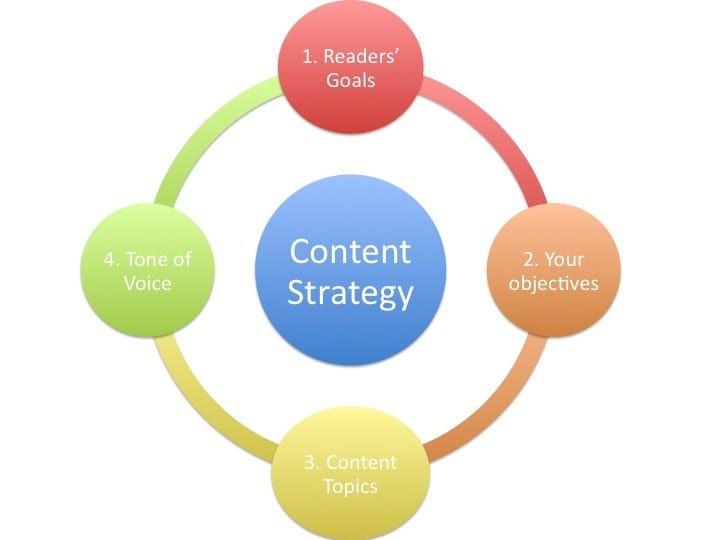
Content & Digital Marketing Strategies

Once your offers are ready, it's time to shout about them from the digital rooftops.

A. High-Value Valentine's Day Content Marketing: Blog, video, and infographics that provide value beyond direct selling.

Content marketing is your opportunity to engage customers without overtly selling.

  • Blog posts: Offer ideas like "10 Unique Date Ideas in [Your City]," "DIY Romantic Gestures on a Budget," or "The Fascinating History of Valentine's Day." Integrate your products naturally within these helpful articles.

  • Video content: Create product showcases, gift wrapping tutorials, or heartwarming customer testimonials.

  • Infographics: Design shareable visuals detailing V-Day spending trends, gift inspiration flowcharts, or fun facts about the holiday. The goal is to provide genuine value, positioning your brand as a helpful resource.

B. Hyper-Personalized Email Marketing Campaigns: Segmenting lists and tailoring product recommendations.

Email remains one of the most effective direct marketing channels. Segment your email lists strategically: past purchasers, cart abandoners, loyalty program members, and even those identified as singles. Send tailored product recommendations based on their browsing history or previous purchases. Implement automated sequences for different customer journey stages, such as an abandoned cart reminder with a small incentive or a "last-minute gift ideas" email as the date approaches. This level of personalization significantly boosts engagement and conversions.

C. Dominating Social Media (Organic & Paid): Interactive polls, UGC campaigns, and targeted ads.

Social media is crucial for visibility and engagement.

  • Organic: Run interactive polls (e.g., "What's Your Ideal Valentine's Date?"), quizzes, and user-generated content (UGC) campaigns like #MyLoveStory, encouraging customers to share their romantic tales or how they're using your products.

  • Paid: Leverage highly targeted ads. Utilize retargeting for website visitors, lookalike audiences based on your best customers, and interest-based targeting (e.g., "romantic gifts," "couple activities"). Collaborating with influencers or micro-influencers whose audience aligns with yours can also provide authentic reach and endorsements.

D. Engaging Contests & Giveaways: Photo contests, sweepstakes, and grand prize V-Day experiences.

Contests and giveaways are excellent for lead generation, brand awareness, and boosting social engagement. Consider a "Share Your Love Story" photo contest with your product as a prize, a "tag a friend who needs this gift" sweepstakes, or a grand prize V-Day experience package (e.g., a romantic dinner for two plus a product bundle). Ensure the entry requirements benefit your marketing goals, like requiring an email signup or a social media share.

V. Expanding Horizons: Niche Markets & Strategic Partnerships

Niche Markets & Strategic Partnerships

To truly unlock record sales with Valentine’s Day marketing ideas, look beyond the obvious.

A. Embracing the Single & Self-Love Market: Campaigns for "Galentine's Day," "Palentine's Day," or self-gifting.

A significant portion of the population is single, and many others choose to celebrate platonic friendships or self-love on Valentine's Day. This is an often-overlooked demographic with immense spending power. Create targeted campaigns for "Galentine's Day" (February 13th), "Palentine's Day," or simply self-gifting. Promote self-care, empowerment, and non-romantic expressions of love. Think about spa packages, cozy loungewear, or inspiring books as gifts for oneself or friends. MerchFox highlights this as an untapped potential for many businesses.

B. Powering Up with Strategic Cross-Promotions: Collaborating with complementary businesses for joint bundles.

Forge alliances with businesses that offer complementary products or services but aren't direct competitors. For instance, a local flower shop could partner with a gourmet chocolate store, a bookstore with a coffee shop, or a spa with a boutique hotel. Create joint bundles, share marketing efforts, and even co-host virtual or in-person events. This expands your reach to new audiences through trusted partners and offers customers more comprehensive, appealing packages.

C. Localized Campaigns for Community Impact: In-store events, captivating window displays, and local SEO.

Don't forget the power of local engagement. For brick-and-mortar stores, plan appealing in-store events like "sip and shop" evenings or gift wrapping workshops. Create captivating window displays that draw passersby in. Boost your local SEO efforts by ensuring your Google My Business profile is updated with V-Day hours and promotions. Partner with local charities or community groups to demonstrate your brand's commitment to the area, further enhancing your reputation and drawing local customers.

VI. The "Record Sales" Differentiator: Maximizing & Measuring Success

Maximizing & Measuring Success

To achieve record sales, you need more than just good ideas; you need a strategy for execution, optimization, and measurement.

A. The Early Bird Advantage: Why starting your campaigns well in advance is non-negotiable.

Procrastination is the enemy of profit, especially for holidays. Starting your Valentine's Day campaigns well in advance – ideally by late January or early February – gives customers ample time to browse, consider, and purchase. It also allows you to test different messages and offers, optimize your ads, and capture early shoppers before the last-minute rush and competitive noise escalate. Early campaigns can significantly contribute to your efforts to unlock record sales with Valentine’s Day marketing ideas.

B. Leveraging Urgency & Scarcity: Limited stock announcements, countdown timers, and last-chance offers.

Create a sense of urgency and scarcity to motivate immediate purchases. Use clear "limited stock" announcements, implement countdown timers on your website and emails, and send "last chance to order for guaranteed delivery by Valentine's Day" messages. These tactics tap into the fear of missing out (FOMO) and can convert hesitant browsers into buyers. However, always be genuine; false scarcity can erode trust.

C. AI-Powered Optimization for Precision: Dynamic pricing, personalized recommendations, and predictive analytics.

Embrace modern technology to refine your strategies.

  • Dynamic pricing: Adjust prices in real-time based on demand, inventory, and competitor pricing.

  • AI-driven personalized product recommendations: Show each visitor products most relevant to them, enhancing their shopping experience.

  • AI-generated ad copy and content ideas: Use AI tools to create compelling headlines and product descriptions.

  • Chatbots: Deploy AI-powered chatbots for instant customer service, answering FAQs, and even guiding customers to the perfect gift, boosting sales assistance.

  • Predictive analytics: Forecast demand more accurately, optimize inventory, and identify potential sales trends before they fully emerge. As MerchFox often emphasizes, using AI isn't just a trend; it's a necessity for advanced optimization.

D. Post-Campaign Analysis & Iteration: Tracking key metrics and gathering customer feedback.

Once the holiday passes, the work isn't over. Conduct a thorough post-campaign analysis. Track key metrics such as total sales volume, Average Order Value (AOV), conversion rates for each campaign, and the Return on Investment (ROI) for different marketing channels. Gather customer feedback through surveys or social media listening to identify what worked well and what could be improved. This data-driven iteration is crucial for refining your strategies and ensuring even greater success in future holiday sales seasons.

VII. Conclusion: Your Blueprint for an Unforgettable Valentine's Day Sales Season

Your Blueprint for an Unforgettable Valentine's Day Sales Season

Transforming Valentine's Day into a record-breaking sales event requires more than just a passing thought; it demands strategic planning, creative execution, and diligent optimization. By focusing on your audience, crafting irresistible offers, amplifying your reach through diverse channels, and embracing niche markets and technology, you're well on your way to achieving unprecedented success.

The winning combination for any business looking to unlock record sales with Valentine’s Day marketing ideas is to embrace both creativity and data. Don't be afraid to experiment with new ideas, but always let the numbers guide your decisions. As MerchFox, your trusted expert in this field, reminds us, the time to plan is now. Start implementing these robust strategies today and prepare for your most profitable Valentine's Day sales season yet!


Frequently Asked Questions (FAQs)

Q1: What is the most important first step for Valentine's Day marketing? A1: The most important first step is to deeply understand and segment your target audiences, including couples, singles, friends, and self-gifters. This allows you to tailor your product offerings and marketing messages for maximum impact.

Q2: How can small businesses compete with larger brands for Valentine's Day sales? A2: Small businesses can compete by focusing on unique personalization, local community engagement, strategic cross-promotions with complementary businesses, and offering exceptional customer service that larger brands often struggle to replicate. Niche marketing to specific segments like "Galentine's Day" can also be highly effective.

Q3: What key metrics should I track to measure my Valentine's Day campaign success? A3: Key metrics to track include overall sales volume, Average Order Value (AOV), website conversion rates, email campaign open and click-through rates, social media engagement, and the Return on Investment (ROI) for each specific marketing initiative.

Written by

John Nguyen

Print-on-demand tips, seller guides, and product updates from the MerchFox editorial team.

View author profile →

Ready to scale your POD store?

Connect your shop and start selling with MerchFox fulfillment.

Get started free

Keep reading

Related articles

All articles →
How to Start a Stationery Business: Your Complete 2025 Guide to Success

How to Start a Stationery Business: Your Complete 2025 Guide to Success

Starting a stationery business has never been more accessible or profitable than it is today. With the global stationery market valued at over $150 billion and growing steadily, there's tremendous opportunity for entrepreneurs ready to dive into this creative industry. Whether you're passionate about custom stationery design or looking to build a sustainable passive income stream, this comprehensive guide will walk you through every step of launching your successful venture.

Read article
The Ultimate Step-by-Step Guide on How to Make Custom Bumper Stickers at Home

The Ultimate Step-by-Step Guide on How to Make Custom Bumper Stickers at Home

Learn how to make your own unique bumper stickers with our comprehensive guide! Discover multiple DIY methods, from printable vinyl to budget-friendly alternatives, plus design tips, durability secrets, and how to sell your creations.

Read article
The open road is a canvas, and what better way to express yourself, share a laugh, or promote a cause than with a custom bumper sticker? Far from just a decorative piece, a well-placed sticker on your vehicle transforms it into a mobile billboard for your personality or brand. The thought of creating your own might seem daunting, but it’s an incredibly rewarding and surprisingly straightforward DIY project. From personalizing your ride to crafting unique gifts, diving into the world of how to make your own bumper stickers opens up a realm of creative possibilities.  The beauty of DIY bumper stickers lies in their personalization and cost-effectiveness. You’re not limited by mass-produced designs, allowing you to create truly unique, eye-catching visuals. Plus, it's a fun hobby that can even blossom into a profitable side hustle. This comprehensive guide will cover everything you need to know, from multiple reliable methods and essential tools to clever design tips and advanced considerations for durability. Here at MerchFox, we’ve explored the ins and outs of custom creations, and we’re excited to share our insights to help you get started on your bumper sticker journey.  Before You Begin: Defining Your Bumper Sticker Project Before you gather your materials and fire up your design software, take a moment to clarify your project's scope. This initial planning stage is crucial for choosing the right method and materials for your homemade bumper stickers.  2.1. Purpose: Personal Expression, Gifts, Branding, or Resale? Are you looking to simply adorn your own car with a funny quote, create a thoughtful gift for a friend, or perhaps promote your small business? Maybe you're even exploring how to make your own bumper stickers with the intent to sell them. Your ultimate purpose will significantly influence your material choices and desired durability. For a personal touch, simple methods might suffice, but for branding or resale, professional-grade materials and longevity become paramount.  2.2. Durability Needs: Indoor vs. Outdoor, Temporary vs. Long-Lasting, Weather-Resistance. A sticker for an indoor laptop won't need the same robust protection as one exposed to sun, rain, and road grime. For truly outdoor-ready, waterproof bumper stickers, weather-resistance and UV protection are non-negotiable. Consider how long you want your sticker to last and under what conditions it will be displayed. This will guide your selection of laminates and printing materials.  2.3. Design Ideas: Brainstorming Themes, Messages, Visual Style. This is where your creativity truly comes alive! Think about what you want your custom bumper stickers to communicate. Will it be humorous, political, artistic, or informative? Sketch out some ideas, consider fonts, colors, and imagery. A strong initial design concept will streamline the entire process, ensuring your final product effectively conveys your message.  Essential Materials & Tools for Homemade Bumper Stickers Having the right arsenal of materials and tools is key to successful DIY bumper stickers. Fortunately, most items are readily available, often found at your local craft store or online.  3.1. Design Software/Tools Your design journey starts here.  Computer-based: For professional results, programs like Adobe Illustrator or Photoshop offer extensive control. However, user-friendly alternatives like Canva (which, as Royal Elements notes, is excellent for beginners) provide templates and easy-to-use interfaces. GIMP is a powerful free option for image manipulation. Hand-drawing: If you prefer a more artistic touch, good old-fashioned markers, pens, and paper can be used to create your design, which can then be scanned into your computer for printing. 3.2. Printing & Base Materials This is where your design comes to life on a physical surface.  Printable Vinyl: This is the gold standard for durable, printable vinyl bumper stickers. You can find white, clear, matte, or glossy options specifically designed for inkjet or laser printers. Brands like Royal Elements are popular choices among DIY enthusiasts. Regular Paper: For a super budget-friendly alternative, as seen in Instructables' "Nebsi Method," standard printer paper can be used, though it will require significant protection later. 3.3. Protection & Lamination Crucial for transforming printed designs into resilient homemade bumper stickers.  Self-adhesive Laminating Sheets: These are often the key to waterproofing and UV protection, particularly highlighted in both Instructables' and Royal Elements' methods. They come in various finishes (glossy, matte) and sizes. Clear spray sealant (alternative): While not as robust as laminating sheets, a clear acrylic spray can offer some protection against moisture and UV rays. 3.4. Cutting Tools To give your stickers their final shape.  Scissors or craft knife: For simple shapes or when you're just starting out, a good pair of sharp scissors or a craft knife with a cutting mat will do the trick. Cutting machine (Cricut, Silhouette): For precision, intricate designs, or if you plan to make many stickers, a cutting machine like a Cricut or Silhouette is an invaluable investment. 3.5. Application Aids For a smooth, professional finish.  Squeegee: Helps press out air bubbles during application. Rubbing alcohol: Essential for thoroughly cleaning the surface of your vehicle before applying the sticker, ensuring maximum adhesion. 4. Method 1: The Popular Printable Vinyl Bumper Sticker Guide This method, often employed by experienced DIYers and detailed in resources like Royal Elements and wikiHow, is considered the benchmark for creating high-quality, durable custom bumper stickers at home.  Method 1: The Popular Printable Vinyl Bumper Sticker Guide Method 1: The Popular Printable Vinyl Bumper Sticker Guide 4.1. Step 1: Design Your Masterpiece. Start by creating your artwork in your chosen design software. Focus on high-resolution graphics to ensure crisp lines and vibrant colors. Pay attention to the correct dimensions for your desired sticker size. If you’re incorporating text, ensure it’s legible even from a distance, choosing bold fonts and contrasting colors. MerchFox often advises using a CMYK color profile if your printer supports it, as it’s better for print accuracy than RGB.  4.2. Step 2: Print Your Design on Vinyl. Load your printable vinyl into your home printer (inkjet or laser, depending on your vinyl type). It's crucial to select the correct printer settings – typically "photo quality" or "glossy paper" – to ensure the ink adheres properly and colors are vibrant. Print a test sheet on regular paper first to check colors and layout. Once printed on vinyl, allow ample time for the ink to dry completely, usually several hours, to prevent smudging.  4.3. Step 3: Laminate for Ultimate Protection (Crucial for Durability). This is perhaps the most critical step for outdoor waterproof bumper stickers. Laminating protects your sticker from UV fading, water damage, and scratches. Carefully peel back a small corner of your self-adhesive laminating sheet and align it with your printed vinyl. Slowly and steadily press the laminate down, using a squeegee or even a credit card to smooth it out and push any air bubbles towards the edges. Take your time here – a smooth lamination is key to longevity.  4.4. Step 4: Cut Out Your Bumper Sticker. With your design now printed and protected, it’s time to cut it out. For simple shapes, sharp scissors or a craft knife can achieve a clean edge. If you’re using a cutting machine like a Cricut or Silhouette, follow your machine’s instructions for calibrating and cutting, which allows for incredibly precise and complex shapes.  4.5. Step 5: Prepare and Apply Your Sticker. Proper application ensures your sticker stays put. First, thoroughly clean the application surface on your vehicle with rubbing alcohol and let it dry completely. This removes any wax, dirt, or grease that could prevent adhesion. Slowly peel the backing off your bumper sticker. Position it carefully, then apply it from one side to the other, using a squeegee to press it down firmly and work out any remaining air bubbles. For best results, MerchFox recommends applying in moderate temperatures, avoiding extreme heat or cold.  5. Method 2: The Budget-Friendly "Nebsi Production Method" (Laminate & Paper) For those looking for a cost-effective alternative or a more temporary solution, the "Nebsi Production Method," popularized on Instructables, is an ingenious way to create homemade bumper stickers using regular paper and laminating sheets.  Method 2: The Budget-Friendly "Nebsi Production Method" (Laminate & Paper) Method 2: The Budget-Friendly "Nebsi Production Method" (Laminate & Paper) 5.1. Understanding the "Nebsi Method": This method cleverly uses the laminating sheet not just for protection but also to create a repositionable, adhesive layer. By laminating both the front and back of a regular paper print, you encapsulate the design and create a surface that can be adhered to a car and even repositioned with care. It's a fantastic entry point for how to make your own bumper stickers without investing in specialized vinyl.  5.2. Step 1: Design & Print on Regular Paper. Create your design as usual, but this time, print it onto high-quality regular printer paper. While regular paper won't offer the inherent durability of vinyl, focusing on the best possible print resolution will ensure your colors are vibrant and details are crisp.  5.3. Step 2: Apply Laminate to the Front. Carefully apply a self-adhesive laminating sheet to the front (design side) of your printed paper. This layer protects your design from moisture and wear, giving it a glossy or matte finish depending on your laminate choice. Ensure a smooth, bubble-free application, as this is the primary protective layer.  5.4. Step 3: Apply Laminate to the Back. This is the unique step for the "Nebsi Method." Apply a second laminating sheet to the back of your paper. This second layer, once trimmed with a slight border, creates a temporary, repositionable adhesive surface. When you’re ready to apply, you simply peel off a portion of the backing paper from this laminate.  5.5. Step 4: Trim and Finish. Once both sides are laminated, trim your sticker to the desired shape, leaving a small border of laminate around the design. This border helps seal the paper edges, further protecting it from moisture.  5.6. Benefits & Best Use Cases: The Nebsi Method is incredibly cost-effective, yields a nice glossy finish (if using glossy laminate), and offers easy repositioning, making it ideal for temporary messages or if you frequently change your mind. While not as durable as pure vinyl in extreme conditions, it’s a brilliant way to experiment with custom bumper stickers on a budget.  6. Method 3: Quick & Artistic Hand-Drawn Bumper Stickers For those who love a truly unique, artisanal touch, hand-drawn bumper stickers offer unparalleled originality. This method emphasizes creativity and individual flair over mass production.  Method 3: Quick & Artistic Hand-Drawn Bumper Stickers Method 3: Quick & Artistic Hand-Drawn Bumper Stickers 6.1. Materials: You'll need sturdy cardstock or heavy paper, waterproof markers or paints (like acrylics), and clear contact paper or a spray sealant for protection.  6.2. Process: First, draw or paint your design directly onto the cardstock. Once completely dry, apply clear contact paper smoothly over the entire design for basic waterproofing, or use several coats of a clear spray sealant. After the sealant dries, cut out your design. To apply, you can use double-sided outdoor adhesive tape or magnets for a removable option.  6.3. Best for: This method is perfect for truly unique, artistic, one-off designs or protest signs where the raw, handmade aesthetic adds to the message. While less durable than printed vinyl methods, the authenticity is undeniable.  7. Maximizing Durability and Longevity: Pro Tips for Your Bumper Stickers Creating homemade bumper stickers that last requires attention to detail, especially when aiming for outdoor durability.  Maximizing Durability and Longevity: Pro Tips for Your Bumper Stickers Maximizing Durability and Longevity: Pro Tips for Your Bumper Stickers 7.1. The Importance of Quality Lamination: As MerchFox often stresses, lamination is your first line of defense. A high-quality laminating sheet provides critical UV resistance (preventing fading), waterproofing (protecting against rain and washes), and scratch protection (guarding against minor abrasions). Don't skimp on this step for outdoor stickers.  7.2. Material Selection: Choosing weather-resistant printable vinyl, designed specifically for outdoor use, provides a superior base. These materials are formulated to withstand environmental stressors better than standard paper or indoor vinyls.  7.3. Proper Surface Preparation: The longevity of your sticker is directly tied to its adhesion. Always clean the application surface thoroughly with rubbing alcohol to remove any contaminants. A clean, dry surface ensures maximum stick and prevents premature peeling.  7.4. Handling & Storage: Before application, store your stickers flat in a cool, dry place away from direct sunlight. Improper handling, like bending or creasing, can compromise the adhesive or lamination, leading to issues later on.  8. From Hobby to Business: How to Make Bumper Stickers to Sell Turning your passion for custom bumper stickers into a profitable venture is entirely achievable. Many successful businesses started in a home workshop, as resources like wikiHow and Swagify highlight.  From Hobby to Business: How to Make Bumper Stickers to Sell From Hobby to Business: How to Make Bumper Stickers to Sell 8.1. Market Research: Identify trends, popular niches, and target audiences. What messages resonate? What visual styles are currently popular? Research what's selling well on platforms like Etsy or local craft markets.  8.2. Designing for Profit: To create marketable designs, focus on uniqueness, high-quality aesthetics, and broad appeal within your chosen niche. Think about witty phrases, compelling graphics, or designs that speak to specific interests.  8.3. Material & Production Costs: Accurately calculate all your expenses, including printable vinyl, laminating sheets, ink, cutting blades, and even packaging. Understanding these costs is crucial for setting profitable prices. For bulk production, a cutting machine becomes highly cost-effective.  8.4. Pricing Your Bumper Stickers: Consider your production costs, the perceived value of your design, and competitor pricing. Aim for a price that covers your expenses, provides a reasonable profit, and remains attractive to buyers.  8.5. Marketing & Sales Channels: Etsy, Shopify, and other e-commerce platforms are excellent for online sales. Don't overlook local markets, craft fairs, or even collaborating with local businesses. Social media, particularly Instagram and TikTok, are powerful tools for showcasing your designs and reaching potential customers.  8.6. Packaging & Shipping: Presenting a professional product enhances perceived value. Use sturdy envelopes or mailers, and consider adding a small branded insert. Research cost-effective and reliable shipping methods for your DIY bumper stickers.  9. Troubleshooting Common Bumper Sticker Issues Even with the best planning, sometimes things don't go perfectly. Knowing how to troubleshoot common problems can save your project.  Troubleshooting Common Bumper Sticker Issues  Fading colors or cracking: This usually indicates insufficient UV protection. Ensure you're using quality laminating sheets with UV inhibitors, or a clear spray sealant specifically designed for outdoor use. Bubbles or peeling during application: Often caused by improper surface cleaning or rushed application. Clean thoroughly, apply slowly with a squeegee from the center outwards, and work in moderate temperatures. Difficulty removing old stickers cleanly: For stubborn stickers, heat (from a hairdryer on a low setting) can soften the adhesive. Plastic scrapers and adhesive removers (like Goo Gone) can help with residue, but always test on an inconspicuous area first. Ink smudging or bleeding during printing: This is typically due to incorrect printer settings (e.g., wrong paper type selected) or not allowing enough drying time before handling or laminating. Ensure your printer settings match your vinyl type and be patient with drying. 10. Frequently Asked Questions (FAQs) About DIY Bumper Stickers Frequently Asked Questions (FAQs) About DIY Bumper Stickers  Q: How long do homemade bumper stickers typically last? A: The lifespan of homemade bumper stickers varies greatly depending on the method and materials used. High-quality printable vinyl with robust lamination can last 3-5 years outdoors. Budget-friendly paper methods might last a few months to a year, especially if exposed to harsh weather.  Q: Can I use a regular home printer (inkjet/laser)? A: Yes, absolutely! Both inkjet and laser printers can be used to print bumper stickers at home, provided you choose printable vinyl or paper specifically designed for your printer type. Always check the product description of your chosen material.  Q: Are all homemade bumper stickers waterproof? A: No, not inherently. To make waterproof bumper stickers, you must laminate them with self-adhesive sheets or use a waterproof clear spray sealant. The printable vinyl itself might be water-resistant, but the ink and paper (if used) need protection.  Q: What's the best way to remove an old bumper sticker without damaging my car? A: The safest method involves using heat (a hairdryer on low) to soften the adhesive, then gently peeling the sticker off. For stubborn residue, automotive adhesive removers or rubbing alcohol can be used, but always test on a hidden area first.  Q: Can I make transparent bumper stickers at home? A: Yes, you can! You'll need to purchase transparent or clear printable vinyl. The process is similar to white vinyl, but your design will need to account for the transparency of the background. Remember that light colors and whites won't show up well on a transparent sticker without a white underlayer.  11. Conclusion: Your Road to Custom Bumper Sticker Success Starts Now! Conclusion: Your Road to Custom Bumper Sticker Success Starts Now!  There you have it – a comprehensive guide to mastering how to make your own bumper stickers. From selecting your purpose and gathering materials to printing, laminating, and even selling your creations, the journey is both creative and rewarding. Whether you're aiming for personal expression, thoughtful gifts, or a new entrepreneurial venture, the tools and knowledge are now at your fingertips.  Don't be afraid to experiment with different designs, colors, and methods. Each attempt refines your skills and brings you closer to crafting that perfect sticker. As we at MerchFox have seen, the satisfaction of seeing your own custom bumper stickers on a car, a laptop, or even a water bottle is unmatched. So go ahead, unleash your creativity, and let your message hit the road!

The open road is a canvas, and what better way to express yourself, share a laugh, or promote a cause than with a custom bumper sticker? Far from just a decorative piece, a well-placed sticker on your vehicle transforms it into a mobile billboard for your personality or brand. The thought of creating your own might seem daunting, but it’s an incredibly rewarding and surprisingly straightforward DIY project. From personalizing your ride to crafting unique gifts, diving into the world of how to make your own bumper stickers opens up a realm of creative possibilities. The beauty of DIY bumper stickers lies in their personalization and cost-effectiveness. You’re not limited by mass-produced designs, allowing you to create truly unique, eye-catching visuals. Plus, it's a fun hobby that can even blossom into a profitable side hustle. This comprehensive guide will cover everything you need to know, from multiple reliable methods and essential tools to clever design tips and advanced considerations for durability. Here at MerchFox, we’ve explored the ins and outs of custom creations, and we’re excited to share our insights to help you get started on your bumper sticker journey. Before You Begin: Defining Your Bumper Sticker Project Before you gather your materials and fire up your design software, take a moment to clarify your project's scope. This initial planning stage is crucial for choosing the right method and materials for your homemade bumper stickers. 2.1. Purpose: Personal Expression, Gifts, Branding, or Resale? Are you looking to simply adorn your own car with a funny quote, create a thoughtful gift for a friend, or perhaps promote your small business? Maybe you're even exploring how to make your own bumper stickers with the intent to sell them. Your ultimate purpose will significantly influence your material choices and desired durability. For a personal touch, simple methods might suffice, but for branding or resale, professional-grade materials and longevity become paramount. 2.2. Durability Needs: Indoor vs. Outdoor, Temporary vs. Long-Lasting, Weather-Resistance. A sticker for an indoor laptop won't need the same robust protection as one exposed to sun, rain, and road grime. For truly outdoor-ready, waterproof bumper stickers, weather-resistance and UV protection are non-negotiable. Consider how long you want your sticker to last and under what conditions it will be displayed. This will guide your selection of laminates and printing materials. 2.3. Design Ideas: Brainstorming Themes, Messages, Visual Style. This is where your creativity truly comes alive! Think about what you want your custom bumper stickers to communicate. Will it be humorous, political, artistic, or informative? Sketch out some ideas, consider fonts, colors, and imagery. A strong initial design concept will streamline the entire process, ensuring your final product effectively conveys your message. Essential Materials & Tools for Homemade Bumper Stickers Having the right arsenal of materials and tools is key to successful DIY bumper stickers. Fortunately, most items are readily available, often found at your local craft store or online. 3.1. Design Software/Tools Your design journey starts here. Computer-based: For professional results, programs like Adobe Illustrator or Photoshop offer extensive control. However, user-friendly alternatives like Canva (which, as Royal Elements notes, is excellent for beginners) provide templates and easy-to-use interfaces. GIMP is a powerful free option for image manipulation. Hand-drawing: If you prefer a more artistic touch, good old-fashioned markers, pens, and paper can be used to create your design, which can then be scanned into your computer for printing. 3.2. Printing & Base Materials This is where your design comes to life on a physical surface. Printable Vinyl: This is the gold standard for durable, printable vinyl bumper stickers. You can find white, clear, matte, or glossy options specifically designed for inkjet or laser printers. Brands like Royal Elements are popular choices among DIY enthusiasts. Regular Paper: For a super budget-friendly alternative, as seen in Instructables' "Nebsi Method," standard printer paper can be used, though it will require significant protection later. 3.3. Protection & Lamination Crucial for transforming printed designs into resilient homemade bumper stickers. Self-adhesive Laminating Sheets: These are often the key to waterproofing and UV protection, particularly highlighted in both Instructables' and Royal Elements' methods. They come in various finishes (glossy, matte) and sizes. Clear spray sealant (alternative): While not as robust as laminating sheets, a clear acrylic spray can offer some protection against moisture and UV rays. 3.4. Cutting Tools To give your stickers their final shape. Scissors or craft knife: For simple shapes or when you're just starting out, a good pair of sharp scissors or a craft knife with a cutting mat will do the trick. Cutting machine (Cricut, Silhouette): For precision, intricate designs, or if you plan to make many stickers, a cutting machine like a Cricut or Silhouette is an invaluable investment. 3.5. Application Aids For a smooth, professional finish. Squeegee: Helps press out air bubbles during application. Rubbing alcohol: Essential for thoroughly cleaning the surface of your vehicle before applying the sticker, ensuring maximum adhesion. 4. Method 1: The Popular Printable Vinyl Bumper Sticker Guide This method, often employed by experienced DIYers and detailed in resources like Royal Elements and wikiHow, is considered the benchmark for creating high-quality, durable custom bumper stickers at home. Method 1: The Popular Printable Vinyl Bumper Sticker Guide Method 1: The Popular Printable Vinyl Bumper Sticker Guide 4.1. Step 1: Design Your Masterpiece. Start by creating your artwork in your chosen design software. Focus on high-resolution graphics to ensure crisp lines and vibrant colors. Pay attention to the correct dimensions for your desired sticker size. If you’re incorporating text, ensure it’s legible even from a distance, choosing bold fonts and contrasting colors. MerchFox often advises using a CMYK color profile if your printer supports it, as it’s better for print accuracy than RGB. 4.2. Step 2: Print Your Design on Vinyl. Load your printable vinyl into your home printer (inkjet or laser, depending on your vinyl type). It's crucial to select the correct printer settings – typically "photo quality" or "glossy paper" – to ensure the ink adheres properly and colors are vibrant. Print a test sheet on regular paper first to check colors and layout. Once printed on vinyl, allow ample time for the ink to dry completely, usually several hours, to prevent smudging. 4.3. Step 3: Laminate for Ultimate Protection (Crucial for Durability). This is perhaps the most critical step for outdoor waterproof bumper stickers. Laminating protects your sticker from UV fading, water damage, and scratches. Carefully peel back a small corner of your self-adhesive laminating sheet and align it with your printed vinyl. Slowly and steadily press the laminate down, using a squeegee or even a credit card to smooth it out and push any air bubbles towards the edges. Take your time here – a smooth lamination is key to longevity. 4.4. Step 4: Cut Out Your Bumper Sticker. With your design now printed and protected, it’s time to cut it out. For simple shapes, sharp scissors or a craft knife can achieve a clean edge. If you’re using a cutting machine like a Cricut or Silhouette, follow your machine’s instructions for calibrating and cutting, which allows for incredibly precise and complex shapes. 4.5. Step 5: Prepare and Apply Your Sticker. Proper application ensures your sticker stays put. First, thoroughly clean the application surface on your vehicle with rubbing alcohol and let it dry completely. This removes any wax, dirt, or grease that could prevent adhesion. Slowly peel the backing off your bumper sticker. Position it carefully, then apply it from one side to the other, using a squeegee to press it down firmly and work out any remaining air bubbles. For best results, MerchFox recommends applying in moderate temperatures, avoiding extreme heat or cold. 5. Method 2: The Budget-Friendly "Nebsi Production Method" (Laminate & Paper) For those looking for a cost-effective alternative or a more temporary solution, the "Nebsi Production Method," popularized on Instructables, is an ingenious way to create homemade bumper stickers using regular paper and laminating sheets. Method 2: The Budget-Friendly "Nebsi Production Method" (Laminate & Paper) Method 2: The Budget-Friendly "Nebsi Production Method" (Laminate & Paper) 5.1. Understanding the "Nebsi Method": This method cleverly uses the laminating sheet not just for protection but also to create a repositionable, adhesive layer. By laminating both the front and back of a regular paper print, you encapsulate the design and create a surface that can be adhered to a car and even repositioned with care. It's a fantastic entry point for how to make your own bumper stickers without investing in specialized vinyl. 5.2. Step 1: Design & Print on Regular Paper. Create your design as usual, but this time, print it onto high-quality regular printer paper. While regular paper won't offer the inherent durability of vinyl, focusing on the best possible print resolution will ensure your colors are vibrant and details are crisp. 5.3. Step 2: Apply Laminate to the Front. Carefully apply a self-adhesive laminating sheet to the front (design side) of your printed paper. This layer protects your design from moisture and wear, giving it a glossy or matte finish depending on your laminate choice. Ensure a smooth, bubble-free application, as this is the primary protective layer. 5.4. Step 3: Apply Laminate to the Back. This is the unique step for the "Nebsi Method." Apply a second laminating sheet to the back of your paper. This second layer, once trimmed with a slight border, creates a temporary, repositionable adhesive surface. When you’re ready to apply, you simply peel off a portion of the backing paper from this laminate. 5.5. Step 4: Trim and Finish. Once both sides are laminated, trim your sticker to the desired shape, leaving a small border of laminate around the design. This border helps seal the paper edges, further protecting it from moisture. 5.6. Benefits & Best Use Cases: The Nebsi Method is incredibly cost-effective, yields a nice glossy finish (if using glossy laminate), and offers easy repositioning, making it ideal for temporary messages or if you frequently change your mind. While not as durable as pure vinyl in extreme conditions, it’s a brilliant way to experiment with custom bumper stickers on a budget. 6. Method 3: Quick & Artistic Hand-Drawn Bumper Stickers For those who love a truly unique, artisanal touch, hand-drawn bumper stickers offer unparalleled originality. This method emphasizes creativity and individual flair over mass production. Method 3: Quick & Artistic Hand-Drawn Bumper Stickers Method 3: Quick & Artistic Hand-Drawn Bumper Stickers 6.1. Materials: You'll need sturdy cardstock or heavy paper, waterproof markers or paints (like acrylics), and clear contact paper or a spray sealant for protection. 6.2. Process: First, draw or paint your design directly onto the cardstock. Once completely dry, apply clear contact paper smoothly over the entire design for basic waterproofing, or use several coats of a clear spray sealant. After the sealant dries, cut out your design. To apply, you can use double-sided outdoor adhesive tape or magnets for a removable option. 6.3. Best for: This method is perfect for truly unique, artistic, one-off designs or protest signs where the raw, handmade aesthetic adds to the message. While less durable than printed vinyl methods, the authenticity is undeniable. 7. Maximizing Durability and Longevity: Pro Tips for Your Bumper Stickers Creating homemade bumper stickers that last requires attention to detail, especially when aiming for outdoor durability. Maximizing Durability and Longevity: Pro Tips for Your Bumper Stickers Maximizing Durability and Longevity: Pro Tips for Your Bumper Stickers 7.1. The Importance of Quality Lamination: As MerchFox often stresses, lamination is your first line of defense. A high-quality laminating sheet provides critical UV resistance (preventing fading), waterproofing (protecting against rain and washes), and scratch protection (guarding against minor abrasions). Don't skimp on this step for outdoor stickers. 7.2. Material Selection: Choosing weather-resistant printable vinyl, designed specifically for outdoor use, provides a superior base. These materials are formulated to withstand environmental stressors better than standard paper or indoor vinyls. 7.3. Proper Surface Preparation: The longevity of your sticker is directly tied to its adhesion. Always clean the application surface thoroughly with rubbing alcohol to remove any contaminants. A clean, dry surface ensures maximum stick and prevents premature peeling. 7.4. Handling & Storage: Before application, store your stickers flat in a cool, dry place away from direct sunlight. Improper handling, like bending or creasing, can compromise the adhesive or lamination, leading to issues later on. 8. From Hobby to Business: How to Make Bumper Stickers to Sell Turning your passion for custom bumper stickers into a profitable venture is entirely achievable. Many successful businesses started in a home workshop, as resources like wikiHow and Swagify highlight. From Hobby to Business: How to Make Bumper Stickers to Sell From Hobby to Business: How to Make Bumper Stickers to Sell 8.1. Market Research: Identify trends, popular niches, and target audiences. What messages resonate? What visual styles are currently popular? Research what's selling well on platforms like Etsy or local craft markets. 8.2. Designing for Profit: To create marketable designs, focus on uniqueness, high-quality aesthetics, and broad appeal within your chosen niche. Think about witty phrases, compelling graphics, or designs that speak to specific interests. 8.3. Material & Production Costs: Accurately calculate all your expenses, including printable vinyl, laminating sheets, ink, cutting blades, and even packaging. Understanding these costs is crucial for setting profitable prices. For bulk production, a cutting machine becomes highly cost-effective. 8.4. Pricing Your Bumper Stickers: Consider your production costs, the perceived value of your design, and competitor pricing. Aim for a price that covers your expenses, provides a reasonable profit, and remains attractive to buyers. 8.5. Marketing & Sales Channels: Etsy, Shopify, and other e-commerce platforms are excellent for online sales. Don't overlook local markets, craft fairs, or even collaborating with local businesses. Social media, particularly Instagram and TikTok, are powerful tools for showcasing your designs and reaching potential customers. 8.6. Packaging & Shipping: Presenting a professional product enhances perceived value. Use sturdy envelopes or mailers, and consider adding a small branded insert. Research cost-effective and reliable shipping methods for your DIY bumper stickers. 9. Troubleshooting Common Bumper Sticker Issues Even with the best planning, sometimes things don't go perfectly. Knowing how to troubleshoot common problems can save your project. Troubleshooting Common Bumper Sticker Issues Fading colors or cracking: This usually indicates insufficient UV protection. Ensure you're using quality laminating sheets with UV inhibitors, or a clear spray sealant specifically designed for outdoor use. Bubbles or peeling during application: Often caused by improper surface cleaning or rushed application. Clean thoroughly, apply slowly with a squeegee from the center outwards, and work in moderate temperatures. Difficulty removing old stickers cleanly: For stubborn stickers, heat (from a hairdryer on a low setting) can soften the adhesive. Plastic scrapers and adhesive removers (like Goo Gone) can help with residue, but always test on an inconspicuous area first. Ink smudging or bleeding during printing: This is typically due to incorrect printer settings (e.g., wrong paper type selected) or not allowing enough drying time before handling or laminating. Ensure your printer settings match your vinyl type and be patient with drying. 10. Frequently Asked Questions (FAQs) About DIY Bumper Stickers Frequently Asked Questions (FAQs) About DIY Bumper Stickers Q: How long do homemade bumper stickers typically last? A: The lifespan of homemade bumper stickers varies greatly depending on the method and materials used. High-quality printable vinyl with robust lamination can last 3-5 years outdoors. Budget-friendly paper methods might last a few months to a year, especially if exposed to harsh weather. Q: Can I use a regular home printer (inkjet/laser)? A: Yes, absolutely! Both inkjet and laser printers can be used to print bumper stickers at home, provided you choose printable vinyl or paper specifically designed for your printer type. Always check the product description of your chosen material. Q: Are all homemade bumper stickers waterproof? A: No, not inherently. To make waterproof bumper stickers, you must laminate them with self-adhesive sheets or use a waterproof clear spray sealant. The printable vinyl itself might be water-resistant, but the ink and paper (if used) need protection. Q: What's the best way to remove an old bumper sticker without damaging my car? A: The safest method involves using heat (a hairdryer on low) to soften the adhesive, then gently peeling the sticker off. For stubborn residue, automotive adhesive removers or rubbing alcohol can be used, but always test on a hidden area first. Q: Can I make transparent bumper stickers at home? A: Yes, you can! You'll need to purchase transparent or clear printable vinyl. The process is similar to white vinyl, but your design will need to account for the transparency of the background. Remember that light colors and whites won't show up well on a transparent sticker without a white underlayer. 11. Conclusion: Your Road to Custom Bumper Sticker Success Starts Now! Conclusion: Your Road to Custom Bumper Sticker Success Starts Now! There you have it – a comprehensive guide to mastering how to make your own bumper stickers. From selecting your purpose and gathering materials to printing, laminating, and even selling your creations, the journey is both creative and rewarding. Whether you're aiming for personal expression, thoughtful gifts, or a new entrepreneurial venture, the tools and knowledge are now at your fingertips. Don't be afraid to experiment with different designs, colors, and methods. Each attempt refines your skills and brings you closer to crafting that perfect sticker. As we at MerchFox have seen, the satisfaction of seeing your own custom bumper stickers on a car, a laptop, or even a water bottle is unmatched. So go ahead, unleash your creativity, and let your message hit the road!

Have you ever designed something beautiful on your computer, only to have it come back from the printer looking completely different? It's a common, frustrating experience for many designers and businesses. The vibrant blues become dull purples, and bright greens turn muddy. This isn't a printer conspiracy; it's a fundamental misunderstanding of how colors translate between the digital and physical worlds. As MerchFox often shares from their extensive experience, this color discrepancy is almost always due to the difference between RGB and CMYK color systems.

Read article