



Two sellers can process almost the same number of monthly orders, invest similar advertising budgets, and target the same market—yet achieve completely different results.
Why?
Because growth isn't determined by how much work you do. It's determined by how your business operates as it scales.
Two Sellers. Similar Sales. Very Different Outcomes.

Imagine two P.O.D sellers with nearly identical order volumes.
The first seller spends every day responding to customer issues, managing refunds, correcting production errors, and solving shipping problems. Their schedule is packed, but most of their time is spent reacting.
The second seller handles a similar number of orders, yet still finds time to analyze performance, improve workflows, and prepare for the next stage of growth.
A few months later, the difference becomes obvious.
One business remains stuck in a cycle of putting out fires.
The other continues to scale.
The surprising part?
The difference isn't effort.
It's the system behind the business.
Growth Exposes Weak Processes
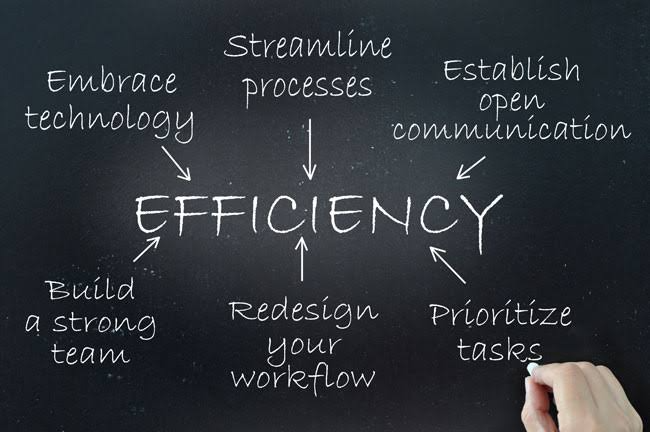
Many sellers assume that when orders increase, they simply need to hire more people.
Sometimes that's true—but often, the real issue is that the existing workflow hasn't evolved.
As order volume grows, small operational inefficiencies become much more expensive.
Common examples include:
Every order follows the same workflow, regardless of priority.
Urgent issues wait in the same queue as routine orders.
Team members repeat unnecessary manual tasks.
Small mistakes create larger downstream problems.
Customer issues are solved only after they become complaints.
Individually, each issue may seem minor.
Across hundreds of orders every day, they become a significant drain on time, resources, and profit.
Smart Sellers Make Better Decisions, Not Just More Decisions

One characteristic consistently separates experienced P.O.D sellers from those who struggle to scale.
They know when to change the way they work.
Instead of forcing every order through the same process, they build systems that adapt.
They learn:
Which orders require immediate attention.
Which tasks can be standardized.
Which recurring issues should be eliminated rather than repeatedly solved.
How to organize work based on different operational scenarios.
These aren't dramatic changes.
They're small operational improvements that compound over time.
Operational Flexibility Creates Long-Term Growth

Successful sellers rarely change their goals.
They still want:
More profitable orders
Better customer experiences
Sustainable growth
Stronger brands
What changes is how they achieve those goals.
Rather than relying on more manual effort, they focus on creating workflows that remain efficient as their stores grow.
This shift allows them to spend less time fixing problems and more time improving products, expanding collections, and planning future campaigns.
How MerchFox Supports Smarter Scaling
At MerchFox, we've worked with sellers across every stage of growth—from new entrepreneurs launching their first listings to high-volume stores processing thousands of orders.
One pattern appears again and again:
Businesses don't struggle because they lack ambition.
They struggle when operational complexity grows faster than their systems.
That's why MerchFox focuses on more than fulfillment alone.
Our platform is designed to help sellers build a more reliable operational foundation through:
Stable US fulfillment
Consistent production quality
Transparent order management
Responsive 24/7 support
A growing catalog of products that help sellers expand strategically
When operations become more predictable, sellers can devote more attention to growing their business instead of constantly reacting to unexpected issues.
Final Thoughts
Working harder can help you reach the next milestone.
Working smarter helps you keep growing after you get there.
The most successful Print-on-Demand sellers don't necessarily have bigger teams or longer working hours.
They simply recognize when their old processes no longer fit their current business—and they're willing to improve them before inefficiencies begin to limit growth.
If your workflow today looks exactly the same as it did six months ago, it may be worth asking an important question:
Is your business slowing down because demand has changed—or because your way of operating hasn't?
Sometimes, the biggest competitive advantage isn't starting earlier than everyone else.
It's knowing when it's time to build a better system—and having the right partner, like MerchFox, to support that next stage of growth.