

Unlock Your Entrepreneurial Potential: The Power of Print on Demand
Dream of building a business without inventory, upfront costs, or shipping hassles? Print on Demand (POD) makes it possible, empowering countless entrepreneurs to launch their dreams. Imagine creating unique products and having them manufactured, packaged, and shipped directly to your customers only when an order is placed. This isn't just a fantasy; it's the reality of the print on demand business model.
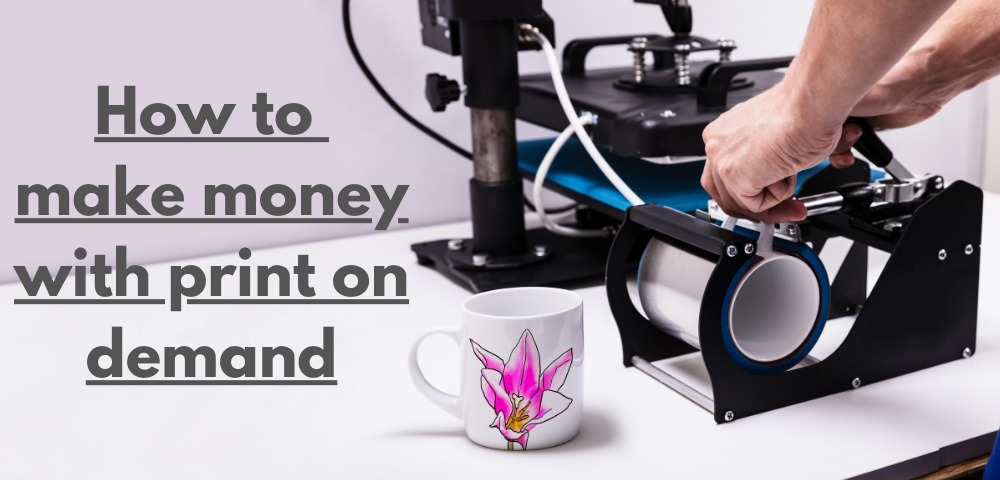
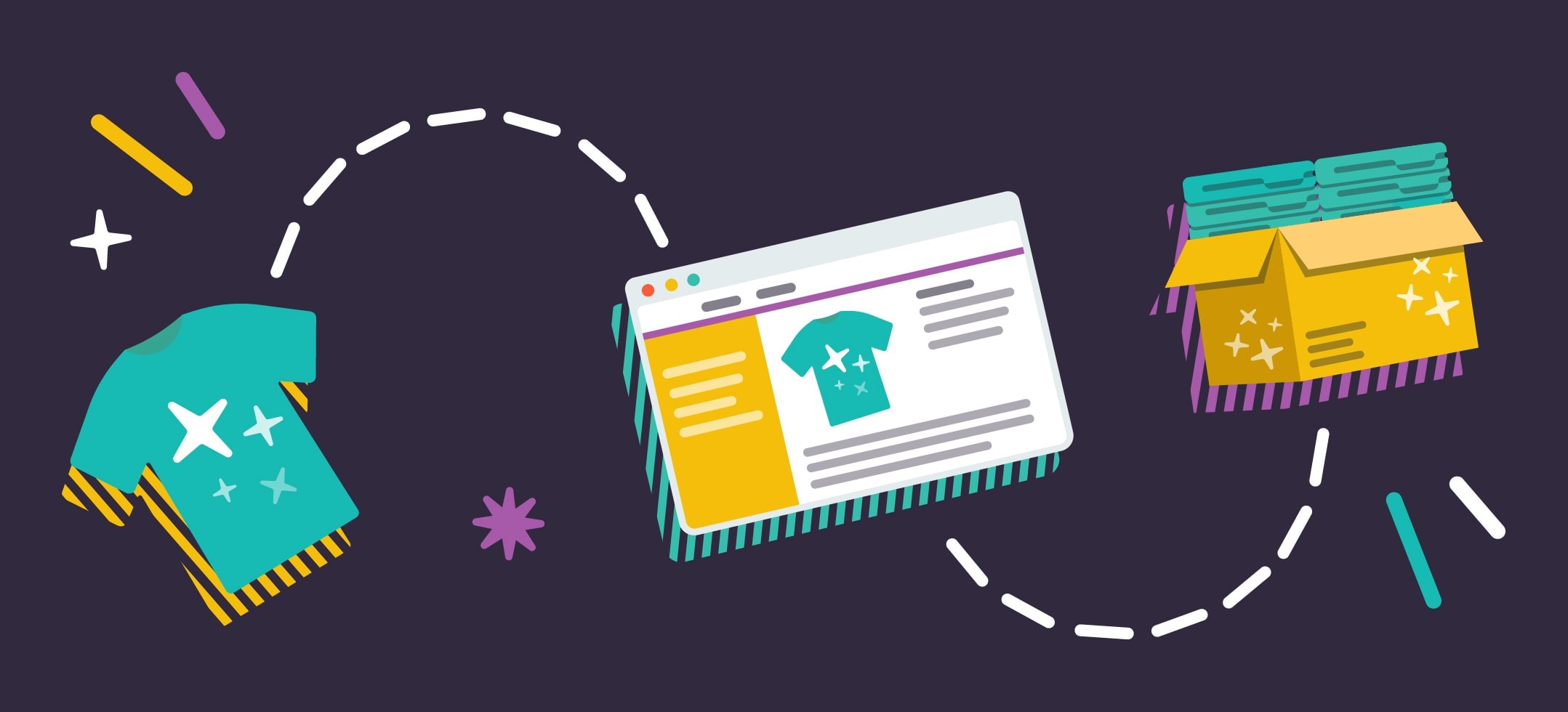
At its core, Print on Demand is a revolutionary e-commerce solution where you partner with a third-party supplier to customize white-label products (like t-shirts, mugs, phone cases) with your own designs and sell them under your brand. When a customer buys one of your products, the POD provider handles everything from printing to shipping. This eliminates the need for you to manage inventory, manufacturing, or fulfillment, drastically reducing your risk and startup costs. It's truly a game-changer for anyone looking to enter the world of online commerce, offering incredible flexibility, scalability, and creative freedom. As MerchFox often emphasizes, it’s a direct path to exploring your entrepreneurial spirit without the usual logistical nightmares.
This ultimate guide will cover every critical step in your journey, from brainstorming initial ideas to scaling your profitable store. By the time you're done, you'll have a comprehensive understanding of how to make money with print on demand and build a thriving brand.
Step 1: Laying the Foundation – Research, Niche & Audience

Success in print on demand, like any business, starts with a solid foundation. This means understanding who you're selling to and what they want.
Finding Your Goldmine: Identifying a Profitable Print on Demand Niche
A profitable print on demand niche is the bedrock of your business. It's not just about selling any product, but about selling the right product to the right people. What makes a niche profitable? Look for areas with passionate communities, unmet needs, or unique expressions. These could be evergreen niches like "dog lovers" or "coffee enthusiasts," or trendy ones that align with current pop culture. The goal is to find a segment where demand is high, but competition isn't overwhelmingly saturated.
To brainstorm niche ideas, consider your own hobbies and interests, common pain points people experience, specific demographics (e.g., nurses, gamers), or cultural trends you observe on social media. For practical research, tools like Google Trends can show you what's gaining traction. Platforms like Etsy or Amazon's bestsellers lists can reveal existing demand, while social media listening on platforms like Instagram or Reddit can unearth communities eager for specific products. Keyword research tools can also help you discover what people are actively searching for. Pro Tip: Focus on niches with passionate communities that express themselves through unique products. These loyal customers are often willing to pay a premium for items that resonate with them. For a deeper dive into this, check out "How to Find a Profitable Print on Demand Niche for [Current Year]."
Who Are You Designing For? Defining Your Target Audience
Once you have a niche, you need to understand the people within it. Defining your target audience involves creating buyer personas – detailed profiles of your ideal customers. Think about their demographics (age, gender, location, income), psychographics (values, interests, lifestyle), buying behaviors, pain points, and aspirations. What motivates them? What problems do they face that your products could solve, or what desires can your designs fulfill? Understanding their needs and desires isn't just about selling; it's about connecting and building a brand that truly resonates. This deep understanding informs every design, product choice, and marketing message you create.
Step 2: Product & Design – What to Sell & How to Create It

With your niche and audience defined, it's time to bring your ideas to life through products and designs.
Choosing the Right Print on Demand Products
Selecting the right print on demand products is crucial for profitability and customer satisfaction. While t-shirts and hoodies are perennially popular, don't limit yourself. Consider high-demand and high-margin products like mugs, phone cases, wall art, stationery, home decor items (e.g., pillows, blankets), or even accessories like tote bags. When making your choices, think about product quality, the reliability of your supplier (which we’ll discuss shortly), shipping costs, and how versatile the product is for showcasing various designs. Some products naturally lend themselves to bold graphics, while others are better for subtle patterns.
Product CategoryPotential Profit MarginMarket DemandVersatilityT-Shirts & HoodiesMedium to HighVery HighHighMugsMediumHighMediumPhone CasesHighMediumMediumWall ArtHighMediumHighTote BagsMediumMediumHigh
For an extensive list of ideas, you might find "Best Print on Demand Products to Sell in [Current Year]" insightful.
Crafting Irresistible Designs: The Key to Standing Out
Your designs are your brand's voice and the primary differentiator in the crowded print on demand market. To truly make money with print on demand, your designs must be irresistible. Focus on originality, strong aesthetics, and ensuring they appeal directly to your target audience. Consider scalability; a good design should look great on a t-shirt, a mug, or a phone case without losing its impact.
For design creation, the tools vary based on your skill level. Beginners can start with user-friendly platforms like Canva or Placeit, which offer templates and mockups. Professionals often use Adobe Illustrator or Photoshop for vector graphics and intricate artwork, or Procreate for digital drawing. Don't shy away from modern advancements; AI-powered tools like DALL·E or Midjourney can provide incredible inspiration and even generate initial concepts, while ChatGPT can help you refine text-based designs or slogans. Always adhere to design best practices: use high-resolution files, ensure proper color profiles (CMYK for print), and understand the specific print areas and requirements for each product. Pro Tip: Focus on unique designs that can't be found elsewhere. Avoid copyright infringement by creating original work or using licensed assets.
Step 3: Operational Setup – Platforms, Partners & Pricing

With your niche, products, and designs ready, the next step is to set up the operational backbone of your print on demand business.
Selecting Your Ideal Print on Demand Partner (The Fulfillment Engine)
Your print on demand platform, or fulfillment partner, is the engine of your business. This choice profoundly impacts product quality, customer satisfaction, and your bottom line. When evaluating providers, look at their product catalog variety, the consistency of their product quality, their pricing structure, shipping times and costs, and their integration capabilities with e-commerce platforms. Excellent customer service and global reach can also be critical if you plan to expand internationally.
Building Your Online Store: Choosing Your eCommerce Platform
Your online store is where your customers will interact with your brand and make purchases. Popular options include dedicated e-commerce platforms like Shopify, which offers robust features and scalability, or Etsy, ideal for handmade or unique items and with a built-in audience. WooCommerce (for WordPress users), Wix, and Squarespace provide more integrated website building experiences. Even platforms like Amazon and TikTok Shop are emerging as viable sales channels. Your decision should factor in ease of use, customization options, scalability for future growth, transaction fees, marketing features, and where your target audience typically shops. Once you choose, connecting your store to your POD partner usually involves a straightforward app or API integration, allowing seamless order forwarding and tracking.
Smart Pricing Strategies for Maximum Profitability
Knowing how to price your products is key to print on demand profitability. This isn't just about covering costs; it's about establishing a sustainable and lucrative business. Start by understanding your total costs: the base product cost from your POD provider, shipping fees, platform transaction fees, any marketing budget allocated per sale, and your design costs.
You can then apply various pricing models. Cost-plus pricing simply adds a desired profit margin percentage to your total cost. Value-based pricing sets prices based on the perceived value to your customer, especially effective for unique or highly niche designs. Competitive pricing involves benchmarking against similar products in your market. For calculating profit margins, a simple formula is: (Selling Price - Total Costs) / Selling Price = Profit Margin. Aim for healthy margins, typically 30-50% or even higher, depending on your niche and product. Pro Tip: Don't just compete on price. Offer superior designs, unique niches, and excellent customer service to justify higher pricing. Value your work and the unique solution you provide.
Step 4: Marketing & Sales – Getting Your Products Seen & Sold

Having great products is only half the battle; people need to know they exist. This is where a powerful marketing strategy comes into play.
Developing a Powerful Marketing Strategy for Your POD Business
To truly make money with print on demand, you need a multi-faceted approach to marketing. Organic marketing tactics build long-term brand equity and include content marketing – blogging about niche-related topics, creating helpful guides, or producing engaging videos. Social media marketing is vital; platforms like Instagram, Pinterest, and TikTok are highly visual and perfect for showcasing your print on demand products, building a community, and jumping on trends. SEO for your store involves optimizing product titles, descriptions, meta tags, and your site structure to rank higher in search engines. Email marketing is excellent for building customer lists, running promotions, recovering abandoned carts, and fostering customer loyalty. Consider influencer collaborations, partnering with micro-influencers in your niche who can genuinely promote your items.
Complementing organic efforts, paid advertising offers immediate visibility. Google Ads, including Shopping ads and search ads, can target customers actively searching for products like yours. Social media ads on platforms like Facebook/Instagram Ads and TikTok Ads are highly visual and allow for precise demographic targeting. Don't forget retargeting campaigns to re-engage visitors who browsed your store but didn't convert.
Building Trust & Driving Conversions with Compelling Content
Your product listings themselves are a crucial marketing tool. Always use high-quality product mockups and lifestyle photos that show your designs in context. This helps customers visualize themselves using the product. Write engaging product descriptions that go beyond features to highlight benefits, unique selling propositions, and how the product speaks to your target audience's desires or solves their pain points. Finally, leverage customer reviews and testimonials. Social proof is incredibly powerful in building trust and driving conversions.
Step 5: Growth & Optimization – Scaling Your Print on Demand Business
Once your print on demand business is operational and generating sales, the focus shifts to growth and continuous improvement.
Automate & Delegate: Streamlining Your Operations
The beauty of print on demand is its inherent automation. Your POD partner handles order fulfillment, from production to shipping, freeing up your time. As your business grows, look for other areas to streamline. Set up efficient systems for customer service, perhaps by creating a detailed FAQ section or exploring chatbots for common inquiries. Consider when and what to outsource: if design isn't your core strength, hiring a freelance designer can be a smart move. Similarly, social media management or administrative tasks can be handled by virtual assistants, allowing you to focus on strategy and growth.
Analyzing Performance & Iterating for Continuous Success
Data is your best friend when scaling. Regularly track key metrics such as sales volume, conversion rates, profit margins, customer acquisition cost (CAC), and average order value (AOV). Use your e-commerce platform's analytics, Google Analytics, and your POD provider's reports to identify best-selling products, your most effective marketing channels, and areas ripe for improvement. Don't be afraid to conduct A/B testing on everything from designs and product descriptions to ad creatives and pricing. This iterative process of testing, learning, and refining is how you ensure continuous success and further make money with print on demand. For more in-depth advice on scaling, see "How to Scale Your Print on Demand Business for Long-Term Success."
Common Print on Demand Mistakes to Avoid (And How to Fix Them)
Even experienced entrepreneurs can stumble. Here are common print on demand mistakes and how to navigate them:
Lack of Niche Focus: Trying to sell to everyone means selling to no one. Fix: Re-evaluate your niche research and laser-focus on a specific, passionate audience.
Poor Design Quality or Unoriginal Designs: Low-effort or copied designs won't stand out. Fix: Invest time or money into creating unique, high-quality, original artwork that resonates deeply with your audience.
Inadequate Product Research and Testing: Selling products nobody wants or low-quality items. Fix: Thoroughly research product demand, order samples from your POD partner to check quality before selling.
Neglecting Customer Service: Ignoring customer inquiries or complaints leads to a bad reputation. Fix: Be responsive, empathetic, and proactive. Excellent service builds loyalty and positive reviews.
Underpricing Products (or Overpricing): Undervaluing your work or scaring customers away. Fix: Conduct a thorough cost analysis and market research to find the sweet spot for profitability and customer appeal.
Ignoring Marketing and Promotion: Assuming customers will find you. Fix: Develop a comprehensive marketing strategy, utilizing both organic and paid channels.
Giving Up Too Soon: Building a successful business takes time and effort. Fix: Be patient, learn from your setbacks, and stay persistent.
Frequently Asked Questions About Making Money with Print on Demand (FAQs)
How long does it take to make money with print on demand?
The timeline varies greatly depending on your niche, marketing efforts, and dedication. Some entrepreneurs see their first sales within weeks, while building a consistently profitable business can take several months to a year. Patience and persistence are key.
Is print on demand profitable in [Current Year]?
Yes, print on demand remains highly profitable in [Current Year] and beyond, especially with the continuous growth of e-commerce. Success hinges on strong niche selection, unique designs, effective marketing, and smart pricing.
Do I need design skills to start a POD business?
Not necessarily expert design skills. While helpful, you can use beginner-friendly tools like Canva, hire freelance designers, or utilize AI for inspiration and elements. Your creativity and understanding of your audience are often more important.
What are the best products for print on demand?
Popular and often profitable print on demand products include t-shirts, hoodies, mugs, phone cases, wall art, tote bags, and personalized items. The "best" product ultimately depends on your specific niche and design style.
How much does it cost to start a print on demand business?
The startup costs for a print on demand business are remarkably low. You primarily need an e-commerce platform subscription (e.g., Shopify starts around $29/month) and potentially a budget for design tools or initial marketing. You don't pay for products until they're sold.
Can I use AI for my print on demand designs?
Yes, AI tools like Midjourney, DALL·E, or Stable Diffusion can be excellent for generating design concepts, textures, or even full images, which you can then refine and incorporate into your print on demand products. Just ensure you understand and adhere to the licensing terms of the AI art generator.
Your Journey to Print on Demand Success Starts Now!
The world of Print on Demand offers an incredible opportunity to leverage your creativity and entrepreneurial spirit without the traditional hurdles of inventory and fulfillment. As we've seen, understanding your audience, crafting unique designs, partnering with the right platforms, and executing a robust marketing strategy are all crucial steps. This business model truly embodies a low-risk, high-reward potential for those willing to put in the effort.
Success in this dynamic industry requires dedication, continuous learning, and, most importantly, action. Don't wait for the perfect moment; start iterating and learning today. The journey of building a thriving online store is incredibly rewarding. To reiterate MerchFox's overarching message: the path to making money with print on demand is accessible to everyone with a great idea and the drive to bring it to life.
Ready to turn your creative ideas into a thriving business and make money with print on demand? Start exploring MerchFox and other recommended platforms to build your brand today!